DE
Stories Contact
Stories Contact
Contact
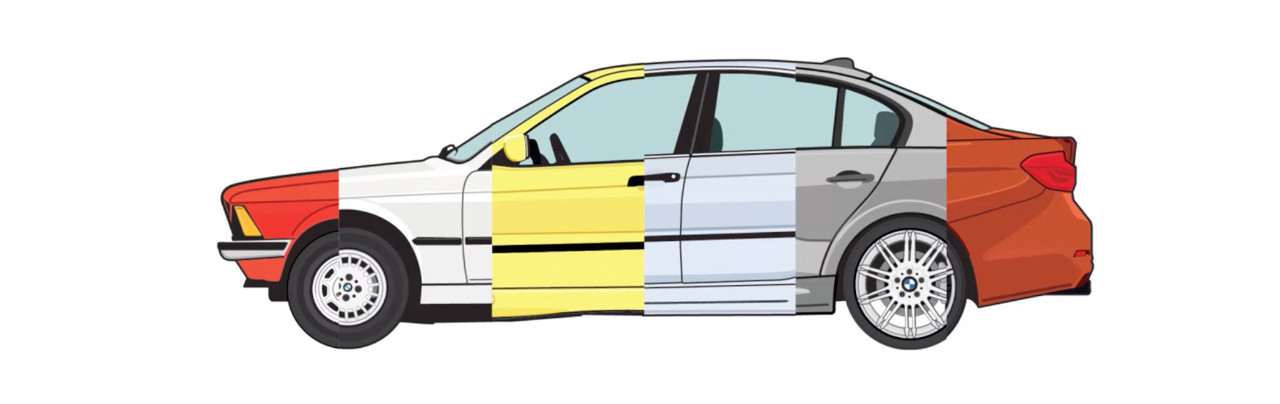
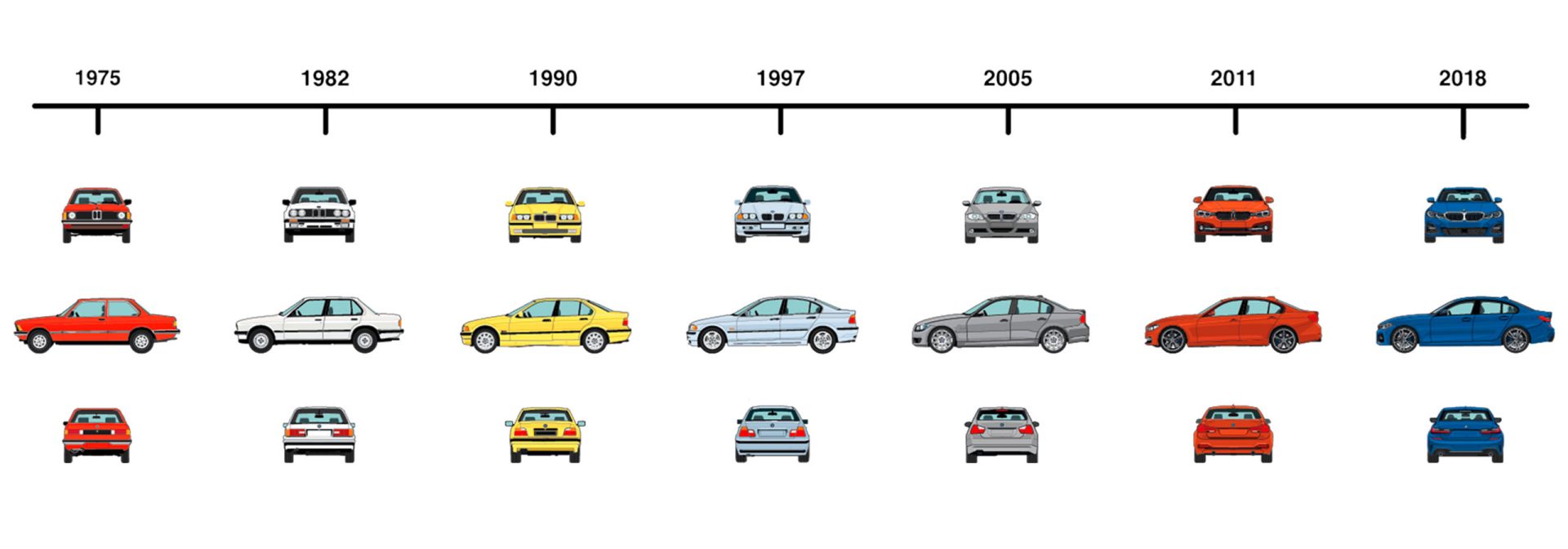
Ein BMW3er mit den verschiedenen ansichten der 7. Generationen.
25.03.2025 8 MIN

The Seven Generations of the BMW 3 Series.

For seven generations, the BMW 3 Series has reflected the spirit of its time. Join us on a journey through design and space – from 1975 to the present.

For half a century, the BMW 3 Series has embodied the essence of the brand and set the standard for pure driving pleasure in the premium mid-size class. It has driven innovation in design, performance, and technology across seven generations. A journey through the development history of the BMW 3 Series: from the past to the future.

For many customers, the BMW 3 Series is the ultimate BMW and the face of the brand.
Adrian van Hooydonk
Senior Vice President BMW Group Design

1st generation.

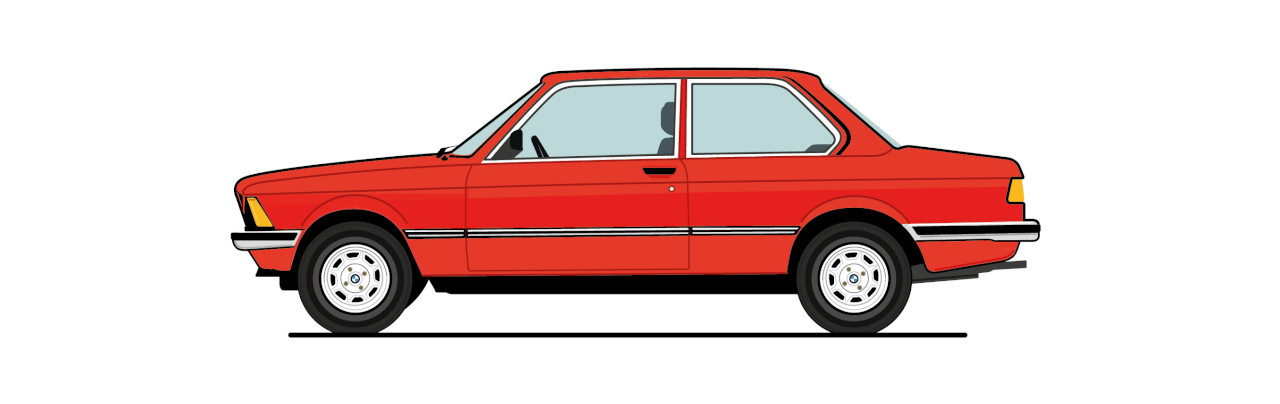
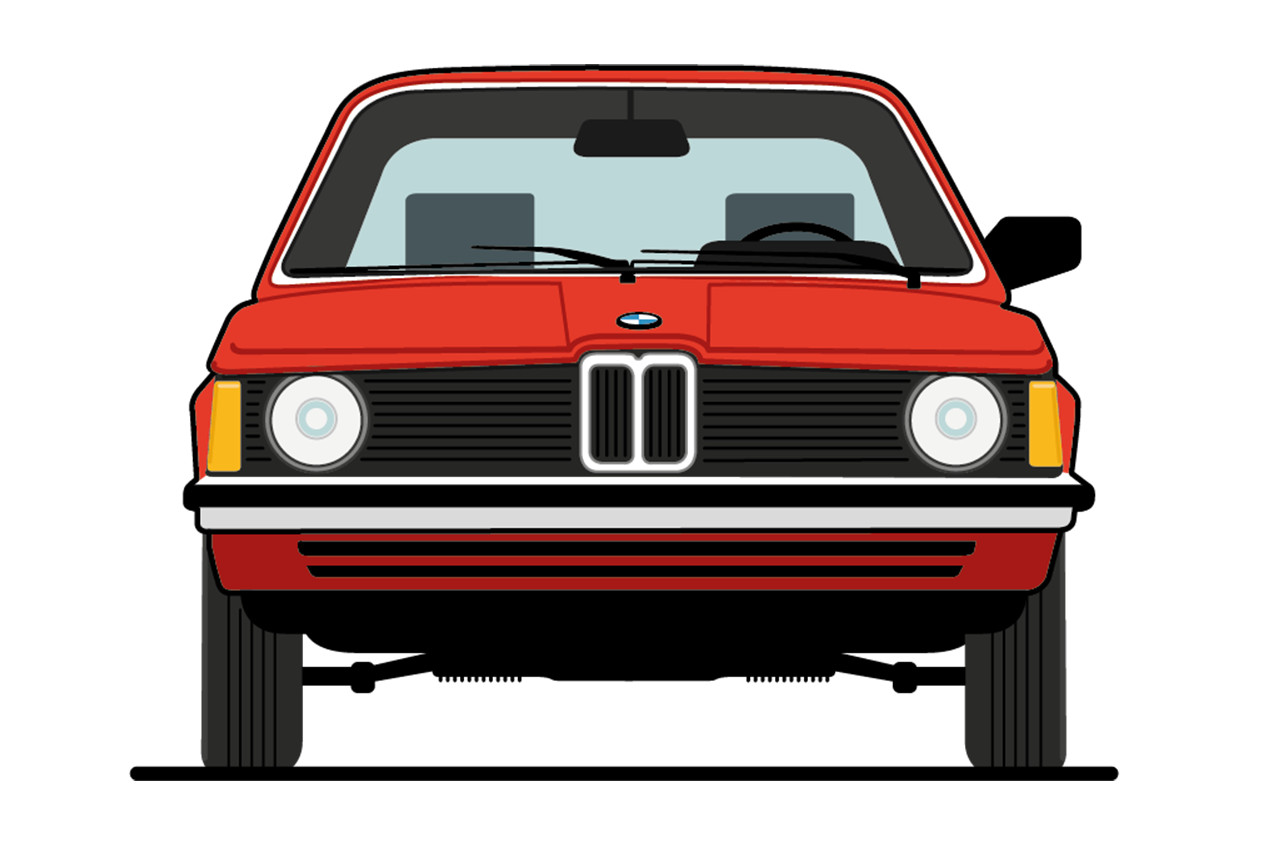
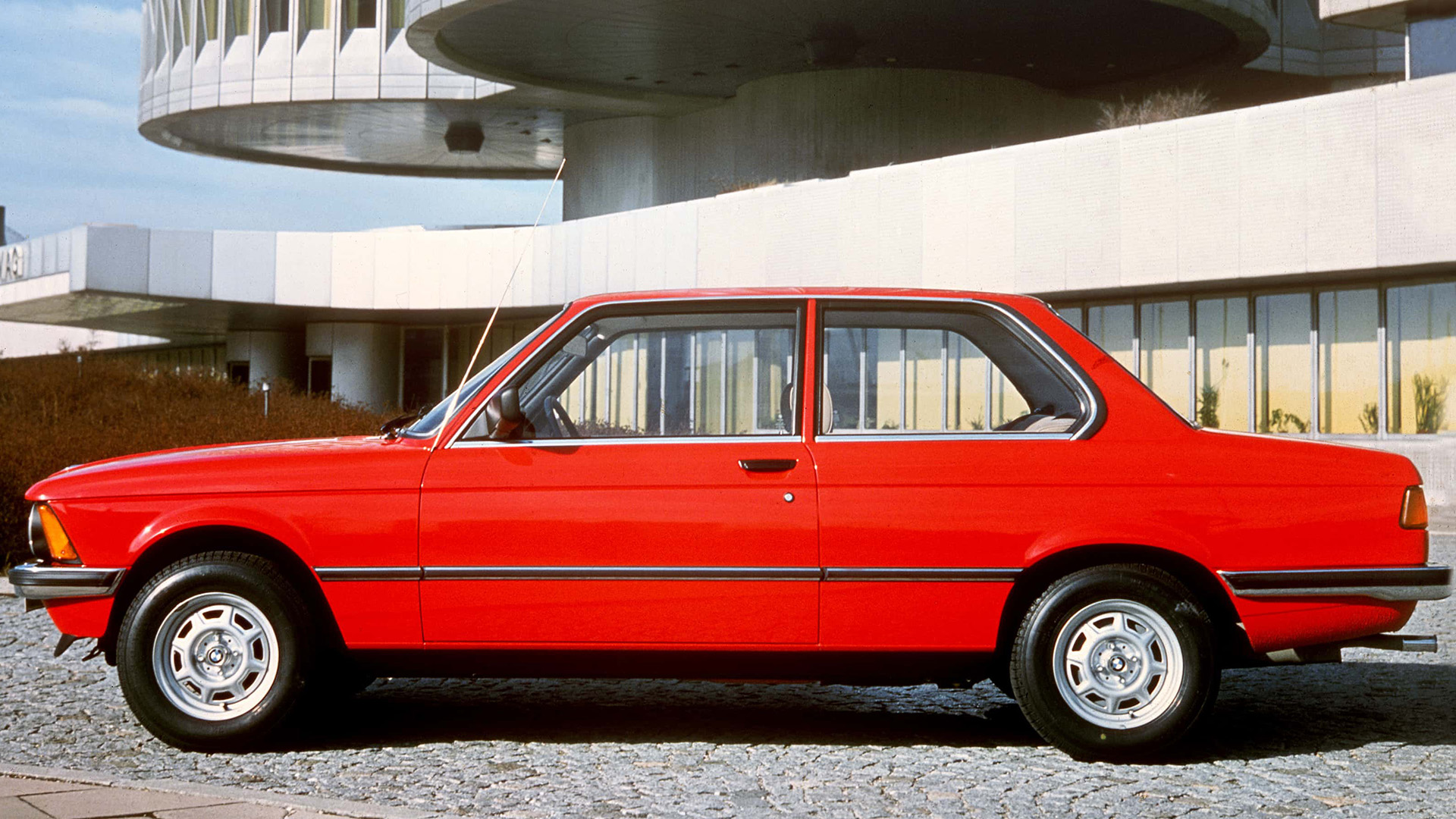
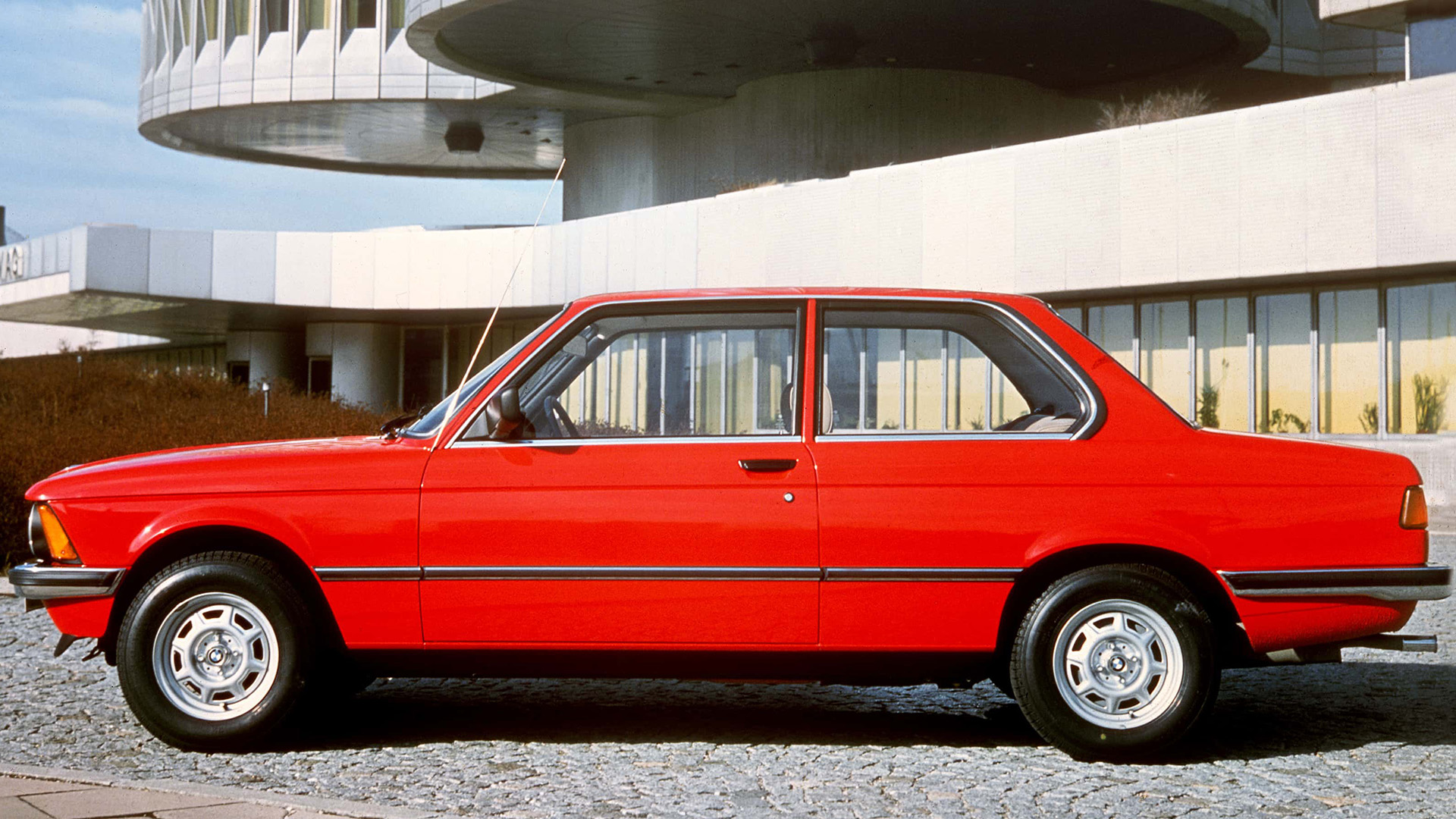
First generation of BMW 3 Series in red
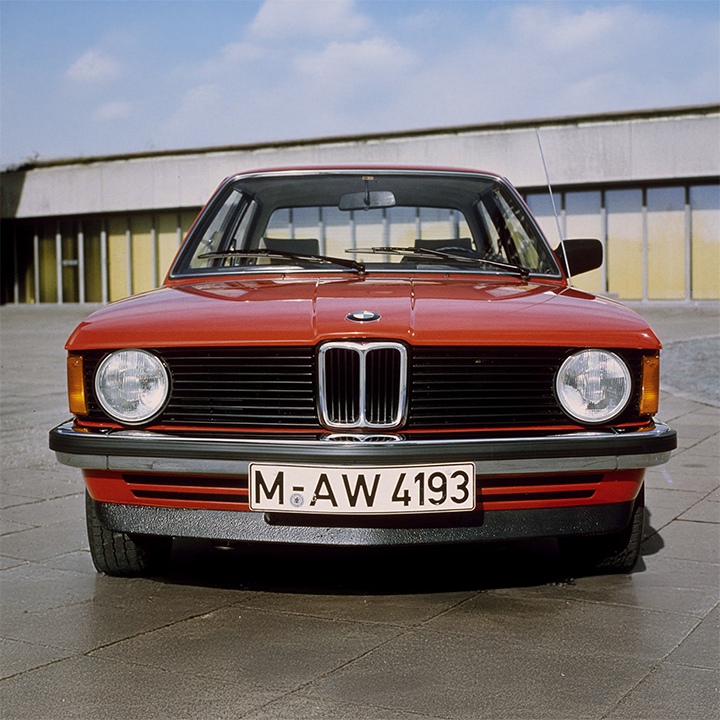
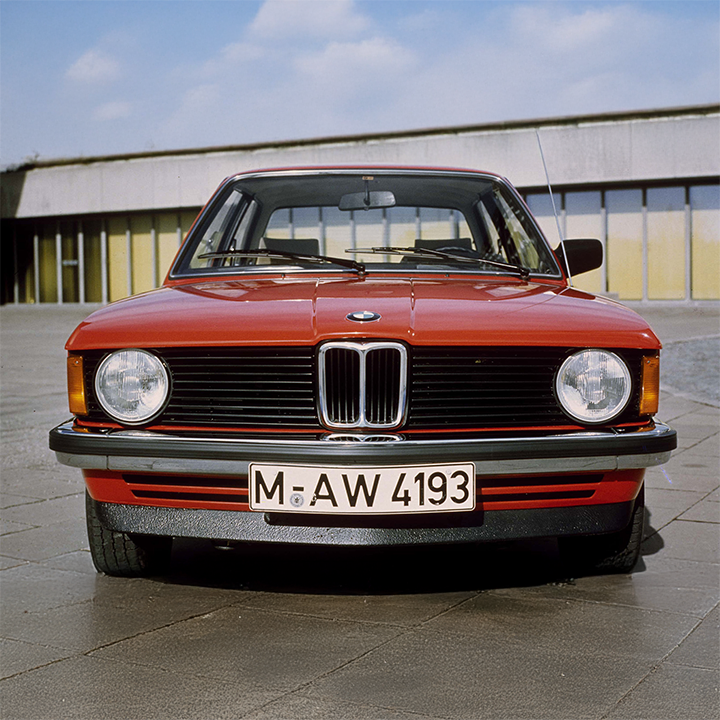
Front of the First generation of BMW 3 Series in red
  • Built: 1975-1983
  • Power: 55-105 kW / 75-143 hp
  • Variants: Sedan (2-door), Convertible (Baur Topcabriolet)

It’s the year 1975: “Jaws” was selling out movie theaters and breaking box office records worldwide. Youngsters wore flares and platform shoes, and the mini-skirt was still the height of fashion.

At Munich’s Olympic Stadium, the first BMW 3 Series – the two-door sedan is the successor to the legendary BMW 02 Series – was unveiled to the world. The design was the brainchild of Paul Bracq, BMW Director of Design from 1970 to 1974. The BMW 3 Series sedan was unmatched in terms of its dynamic and sporting performance, thereby laying the foundations for a story of success that has continued to this day.

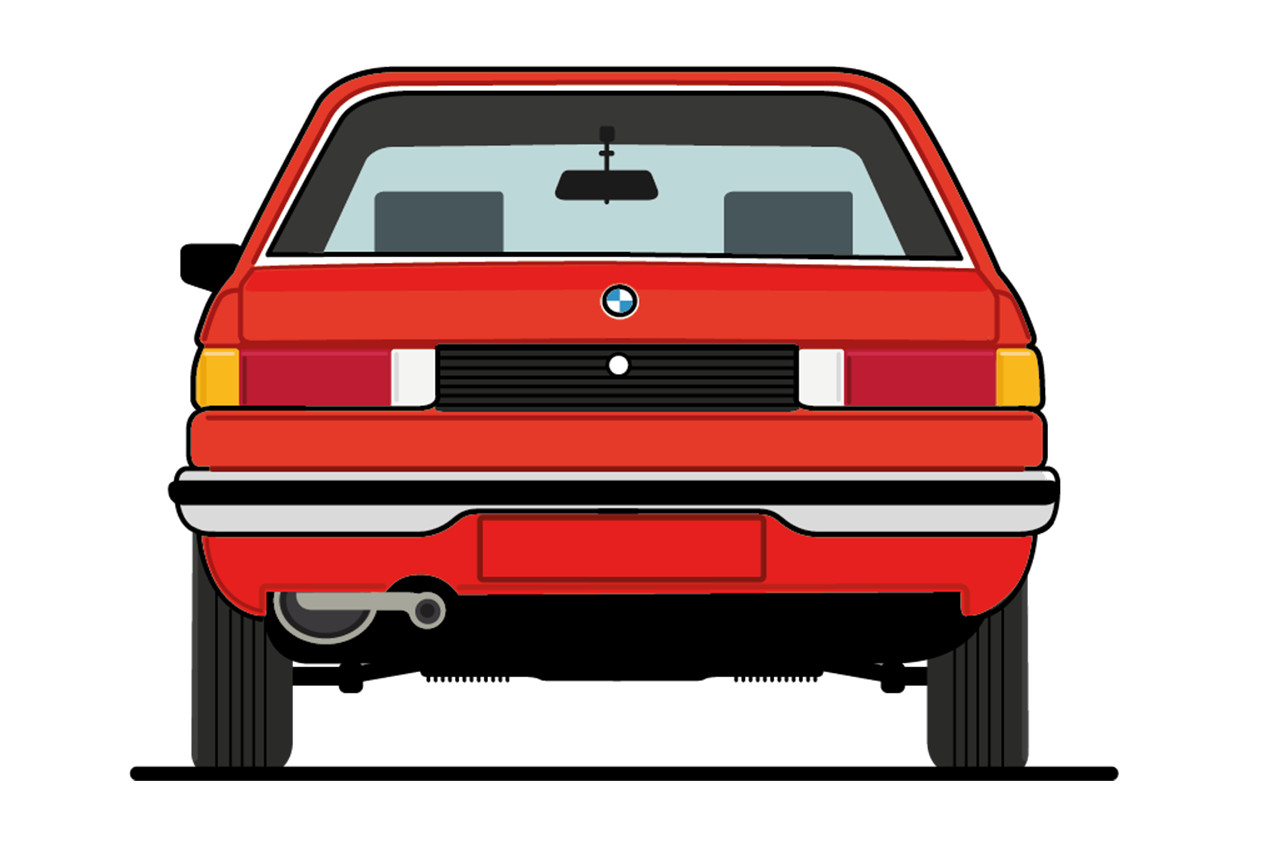
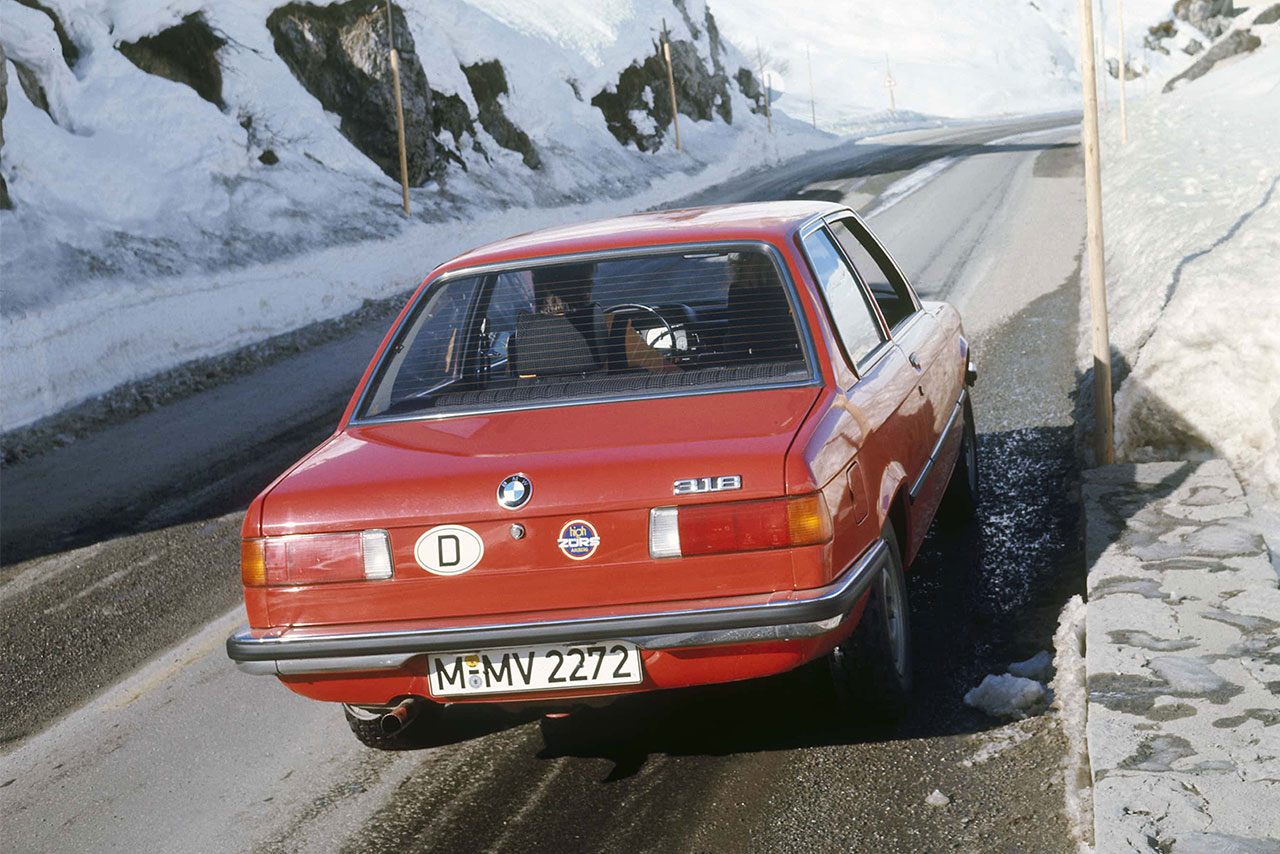
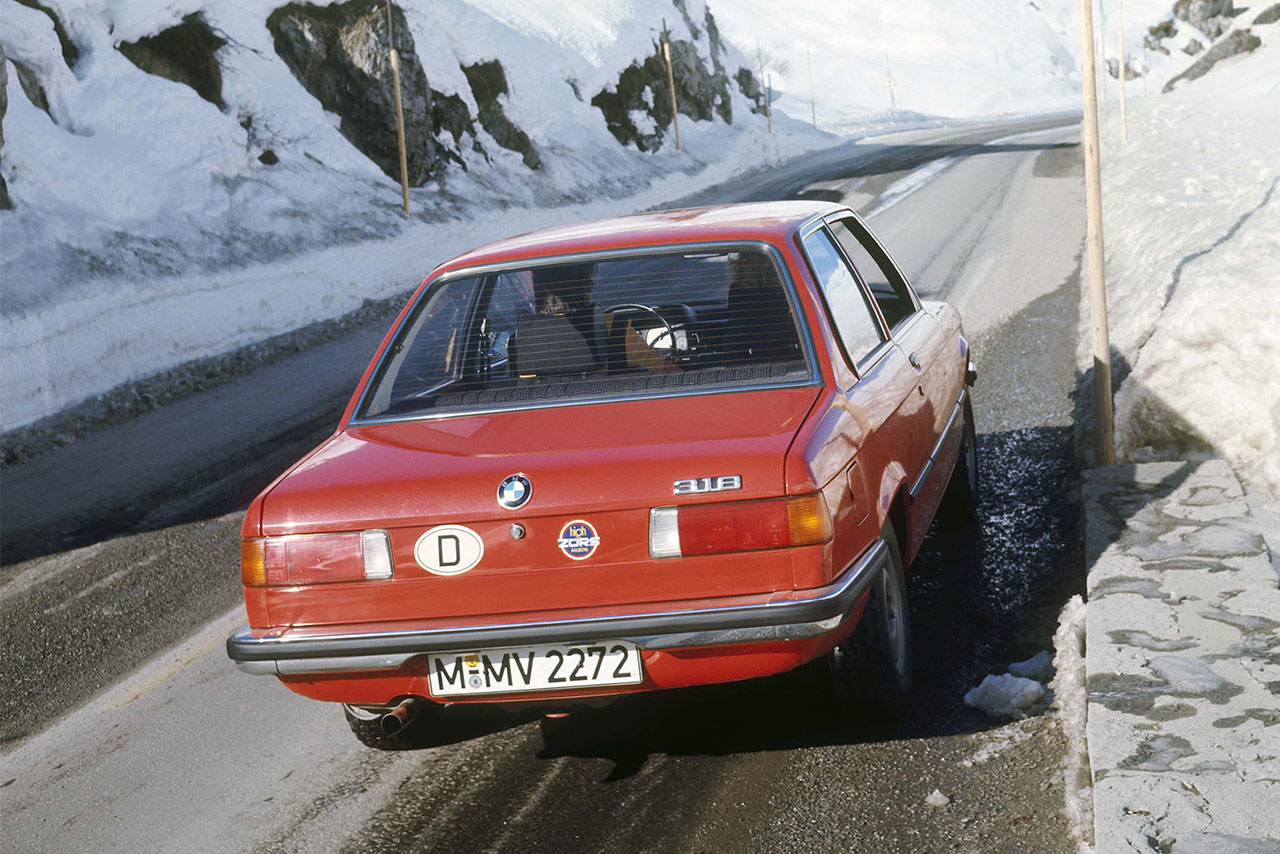
Back of the First generation of BMW 3 Series in red

An Eye-Catching Tail End.

The first generation of the BMW 3 Series was famous for its distinctive profile with its raised tail section and the crease line along the body. Seen from behind, the rear section wasn’t to everyone’s taste, especially the part between the tail lights. Only a few months after the start of production, the designers added a black plastic trim to the rear.

The first models in the BMW 3 Series range were a sedan – and the legendary Baur Topcabriolet (1977-1982). Stuttgart-based Baur GmbH was in charge of the transformation of 4,595 BMW 3 Series into convertibles, which featured a rollover bar and fixed roof frame.

A Standard Feature was Born.

The first-generation BMW 3 Series included one innovation that was to become a standard feature in all BMW models: a dashboard angled toward the driver.

Other design details – such as the short overhang at the front, the double-kidney grille, the crease line along the body, the twin headlamps found on several models, and the Hofmeister kink at the C-pillar – have lived on as stylistic features in subsequent generations.   

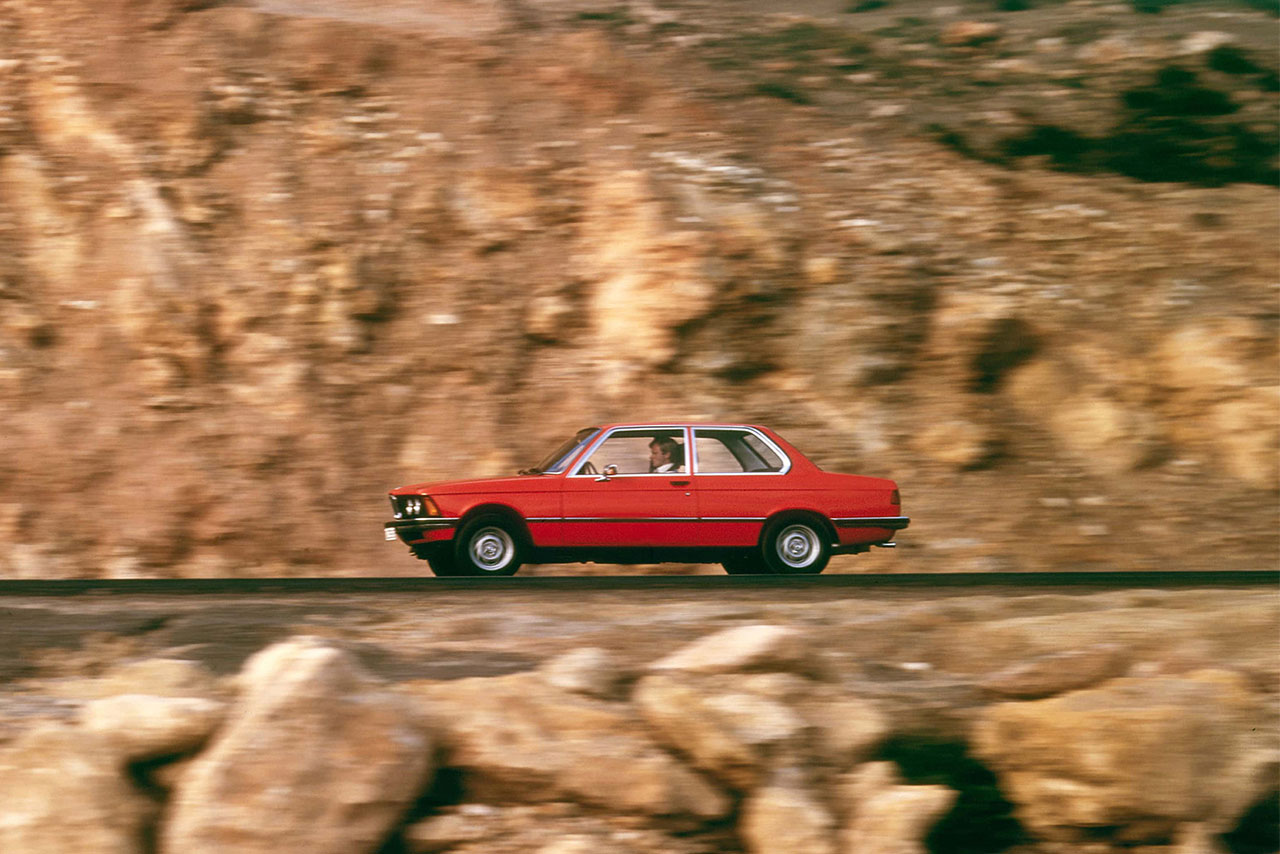
Red Car driving through the mountains
Red BMW parked infront of the BMW Headquarters
Front of the First generation of BMW 3 Series in red parked outside the BMW headquarter
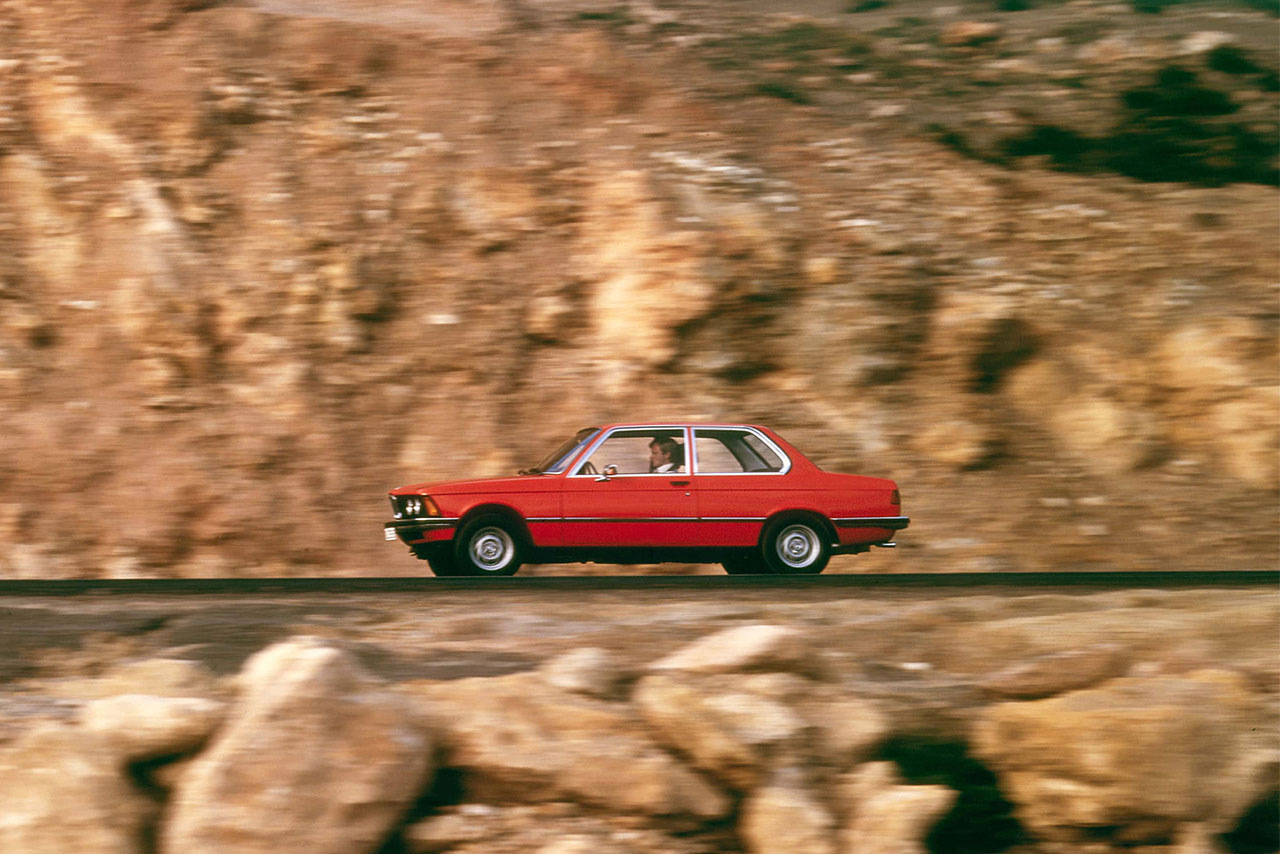
First generation BMW 3 series driving up a hill
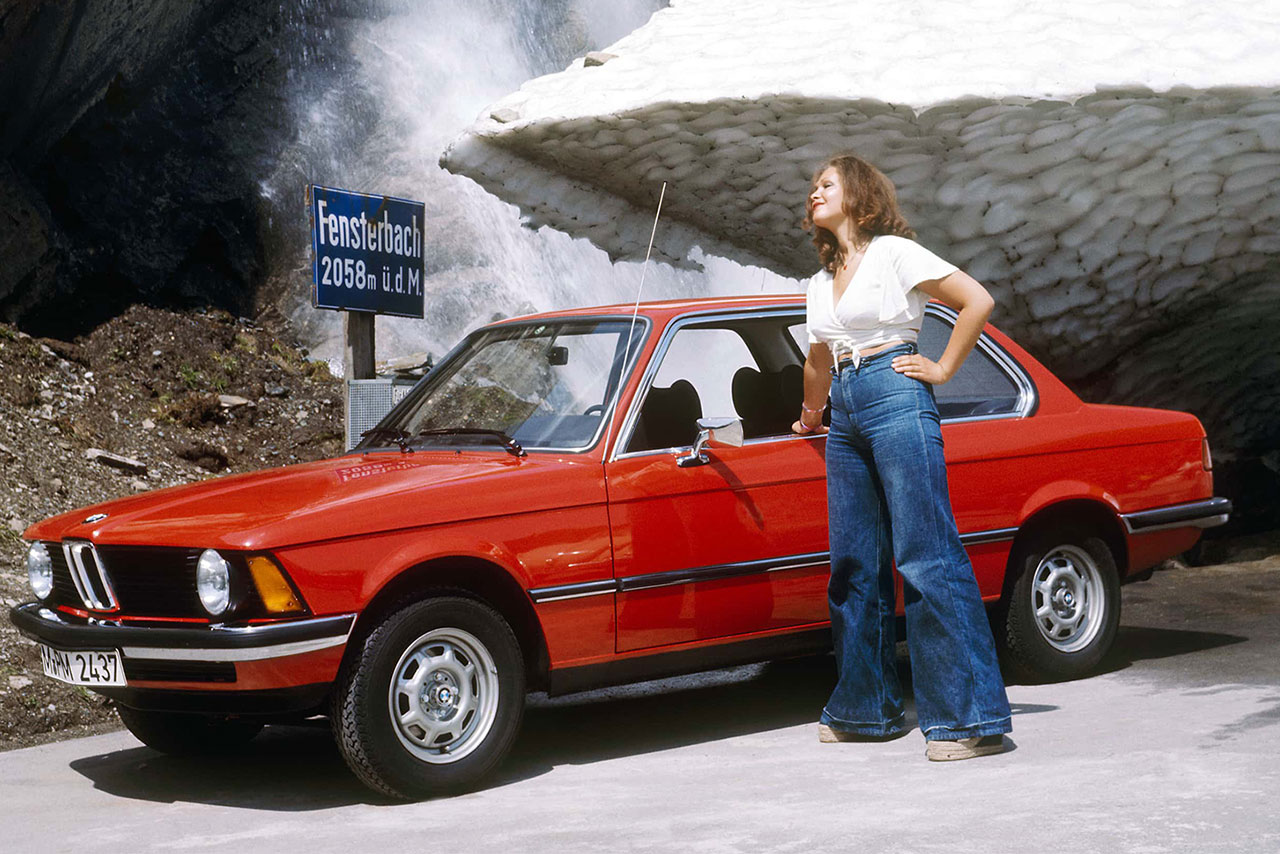
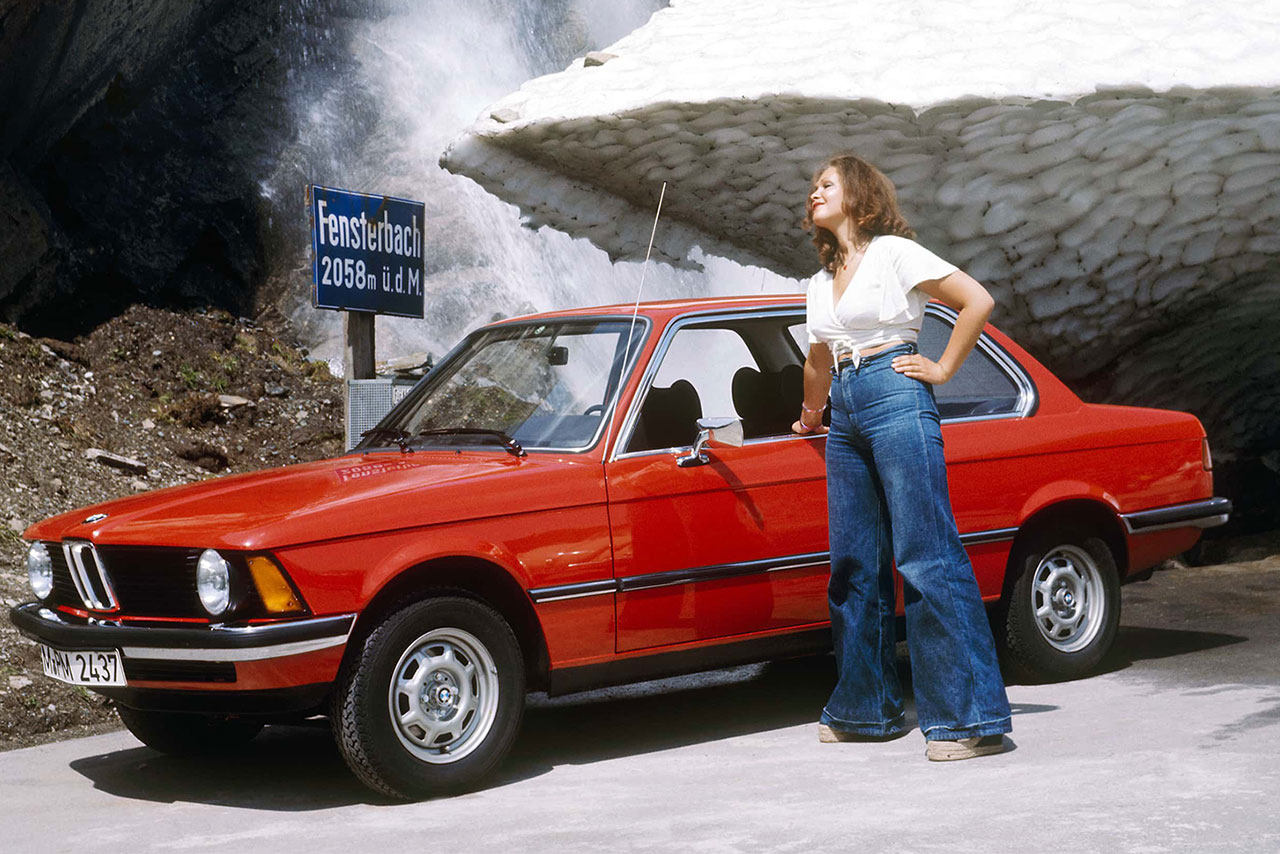
A young woman is standing next to her red BMW 3 series in the mountains
Red Car driving through the mountains
Red BMW parked infront of the BMW Headquarters
Front of the First generation of BMW 3 Series in red parked outside the BMW headquarter
First generation BMW 3 series driving up a hill
A young woman is standing next to her red BMW 3 series in the mountains

2nd generation.

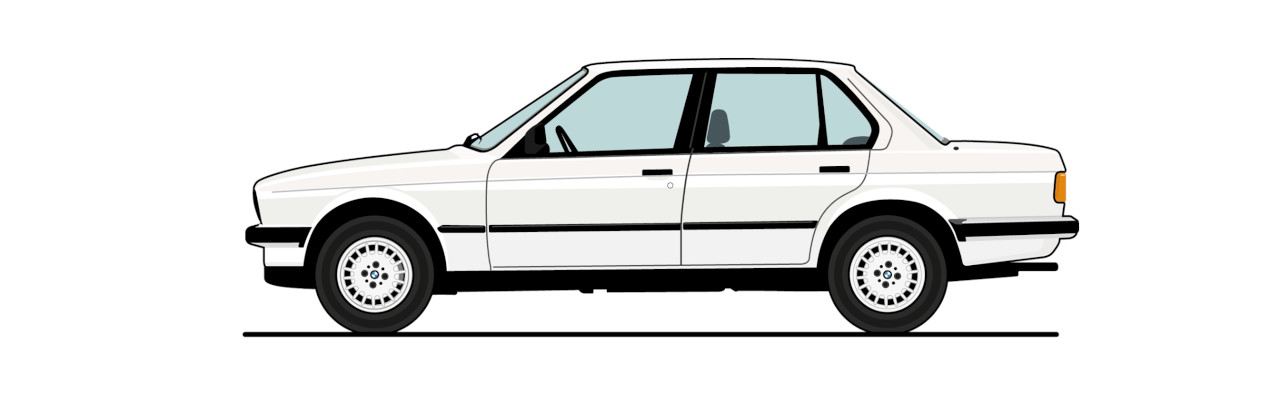
2nd generation of BMW 3 series illustrated in white, sideview
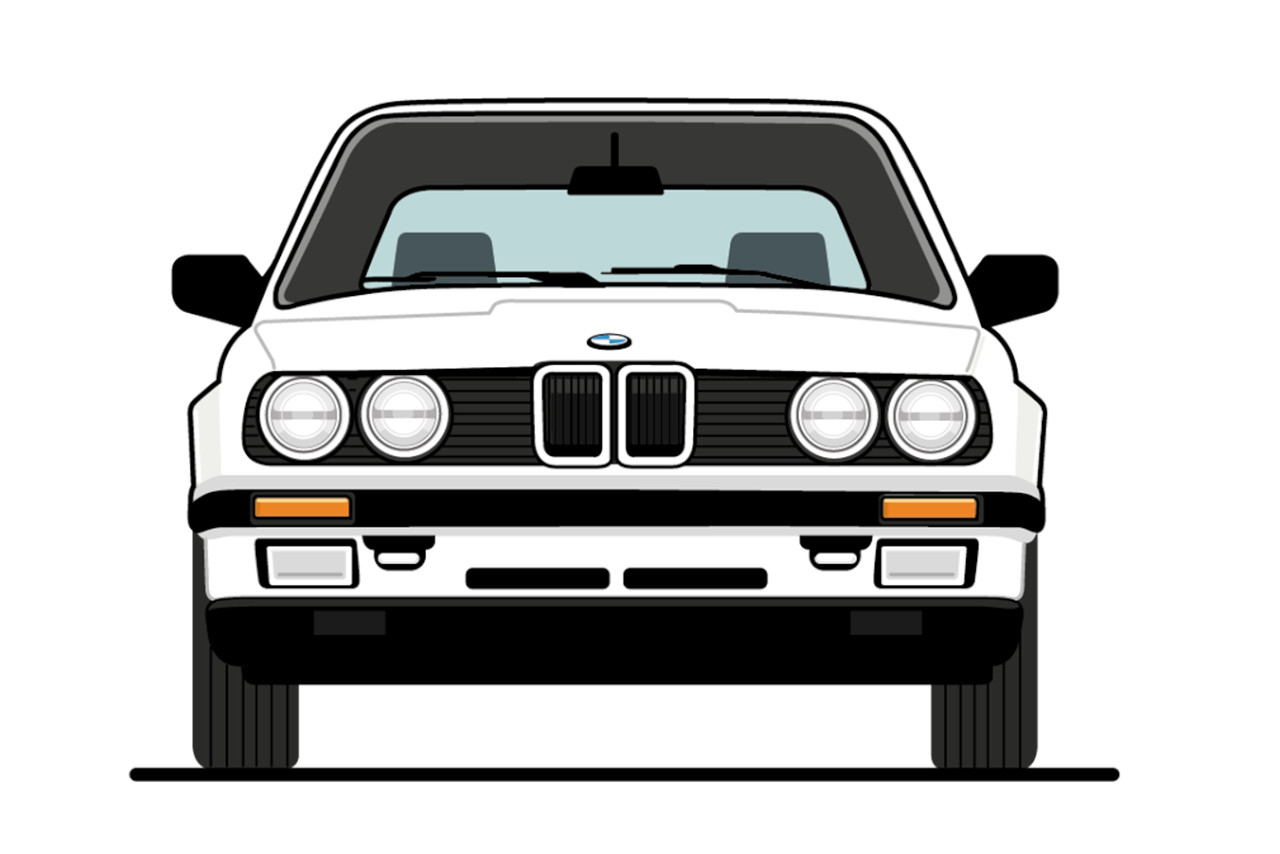
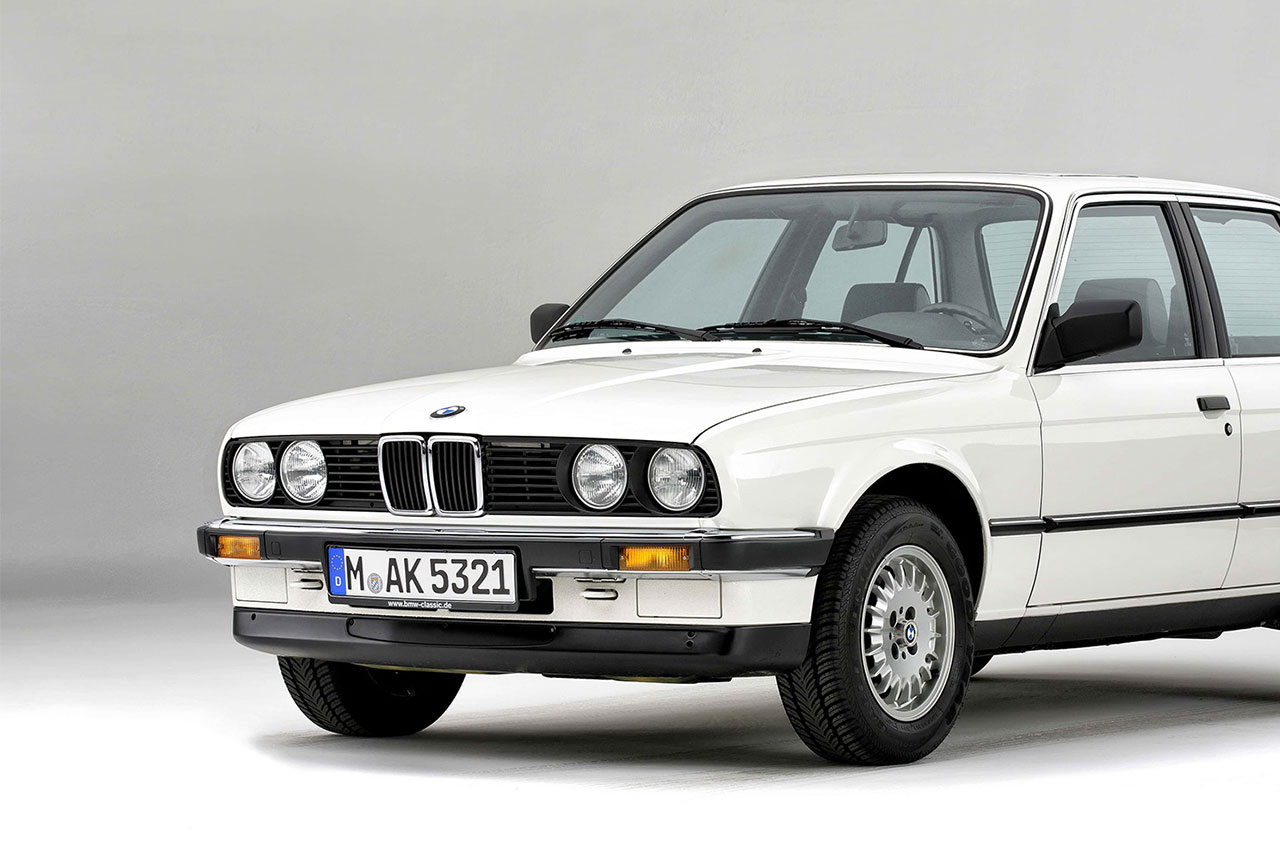
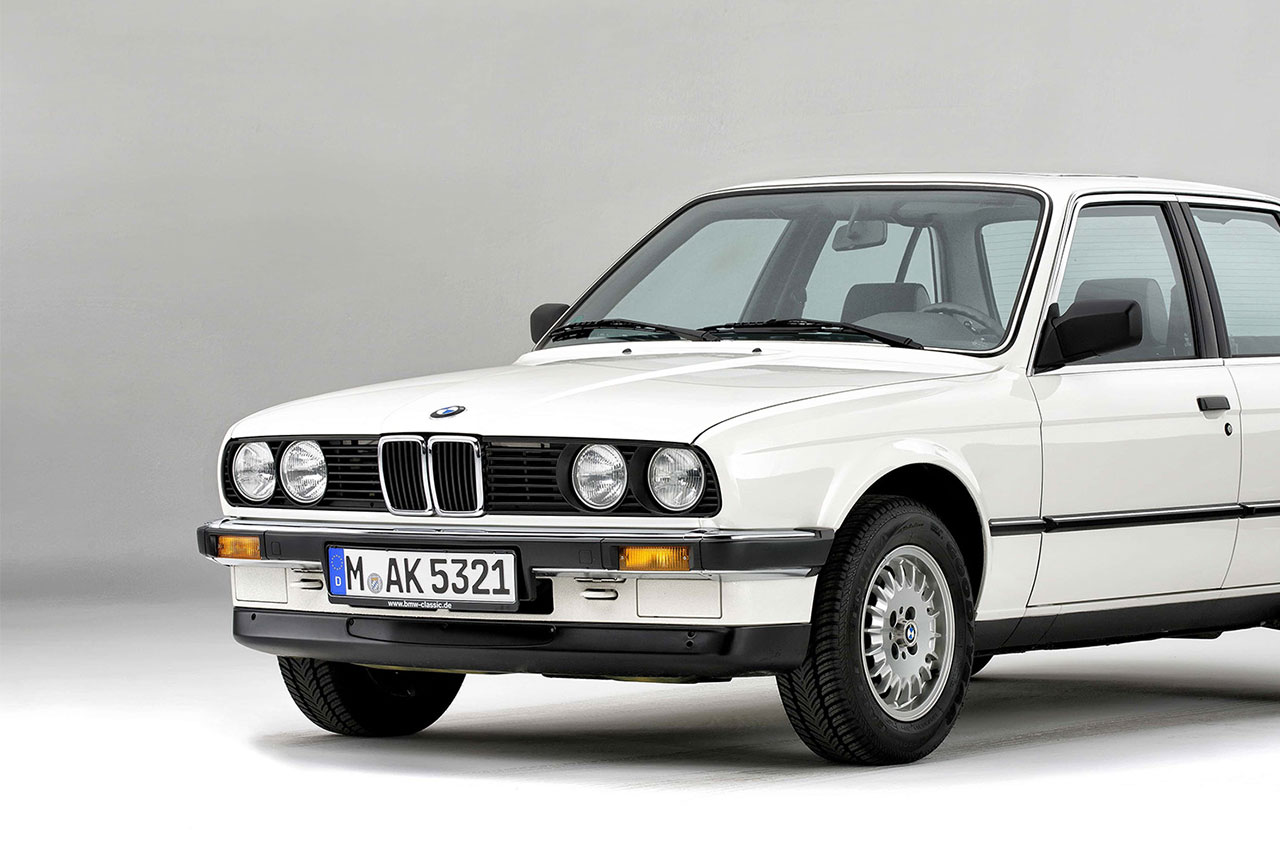
Front of the 2nd generation 3 series in white
  • Built: 1982-1994
  • Power: 66-175 kW / 90-238 hp
  • Variants: Sedan (2 and 4-door), Convertible, Baur Topcabriolet, Touring, M3 (as Coupé and Convertible)

1982: Answering machines, microwaves, and VCRs became standard appliances in every household. The first video games reached the mainstream, with Pac-Man leading the way, while rock songs like “Eye of the Tiger” topped the charts.

In Morocco, the second generation of the BMW 3 Series was unveiled. The key innovation: Seven different variants, with sedan-oriented styling dominant in all versions. In 1982, the new 3 Series was launched as a two-door sedan, with the four-door sedan available from September 1983 onwards.

All of the second-generation models produced had series-standard twin headlights – a design feature that was to be included in every BMW 3 Series from then on.

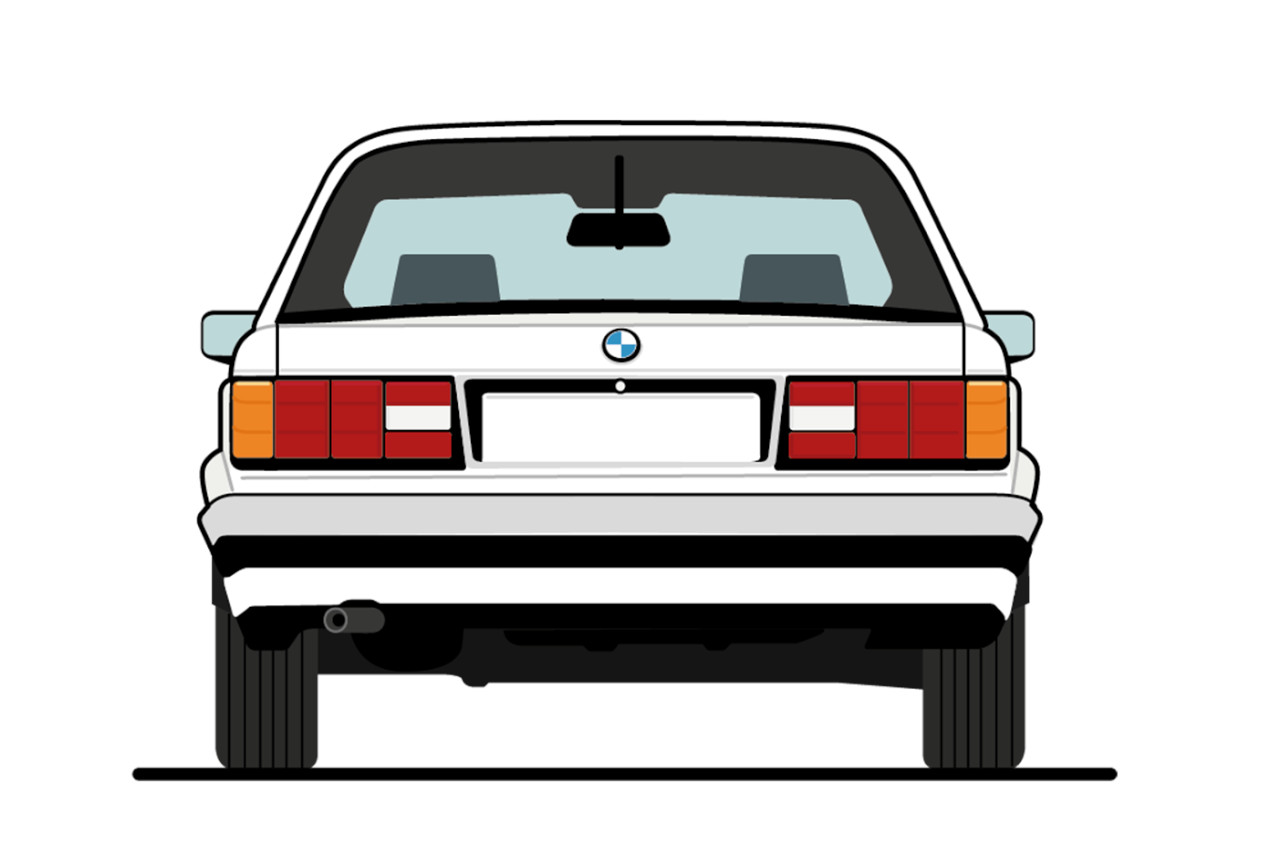
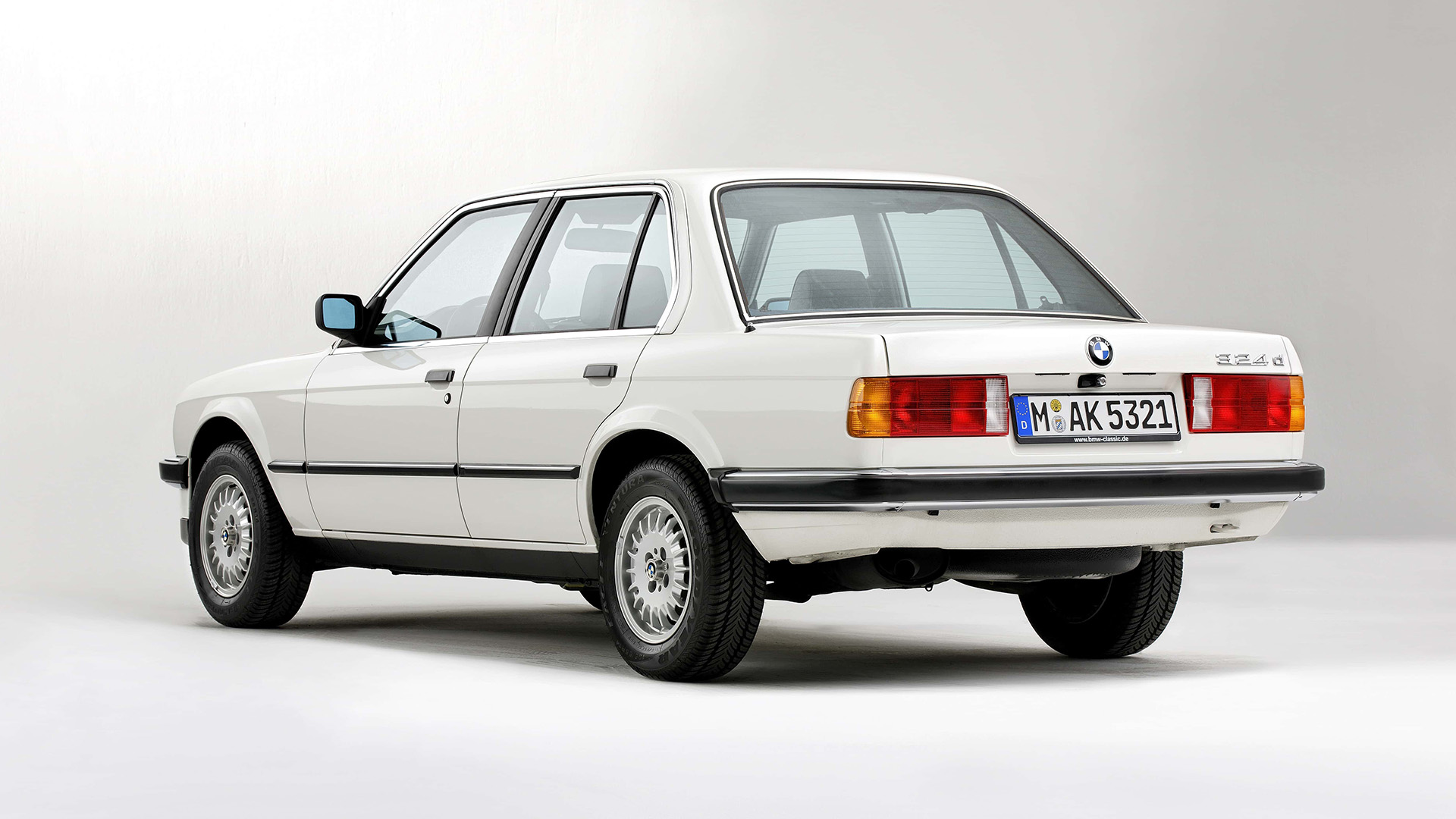
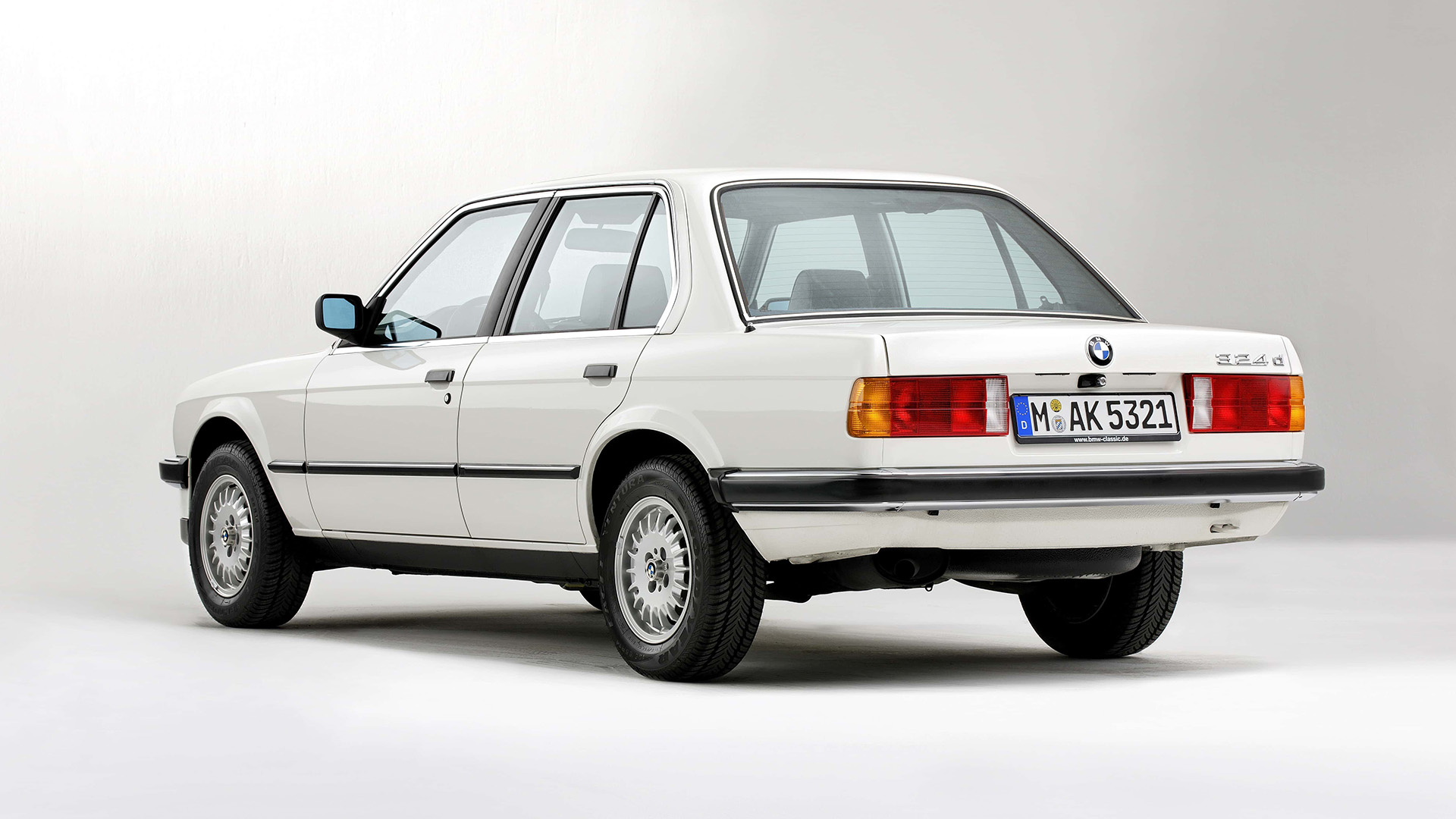
Back of the 2nd generation 3 series illustrated in white

From the Road to the Racetrack.

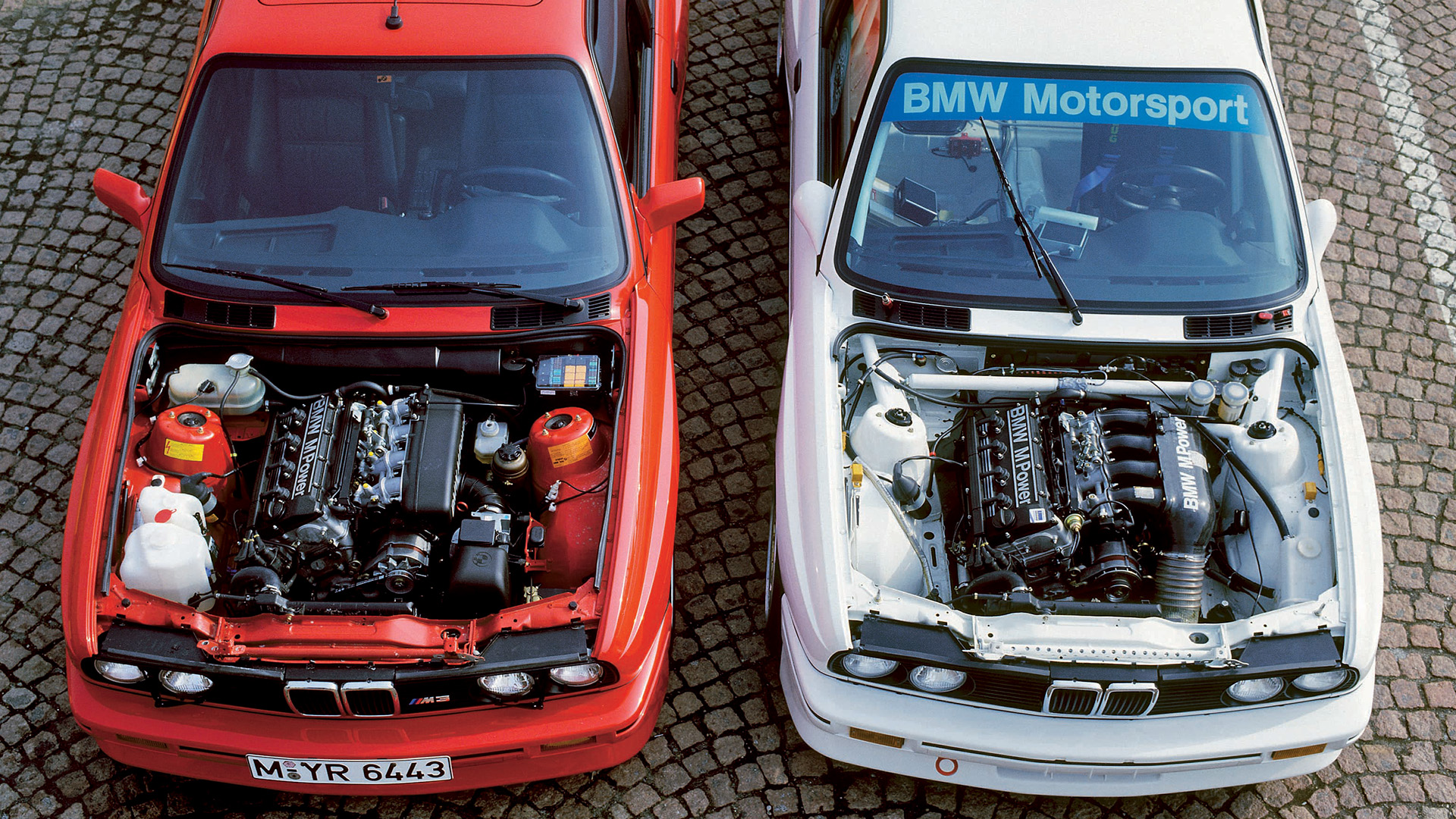
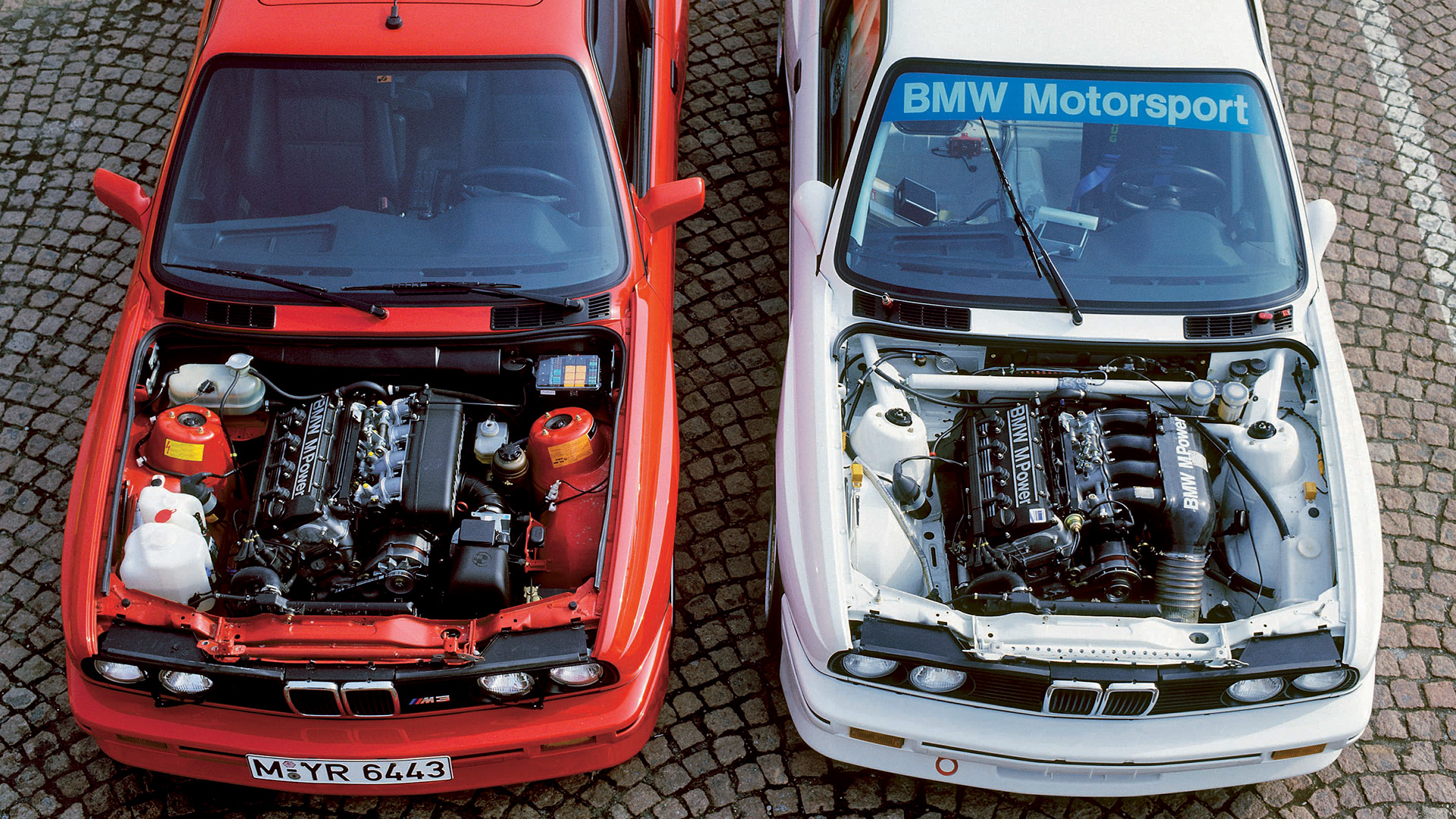
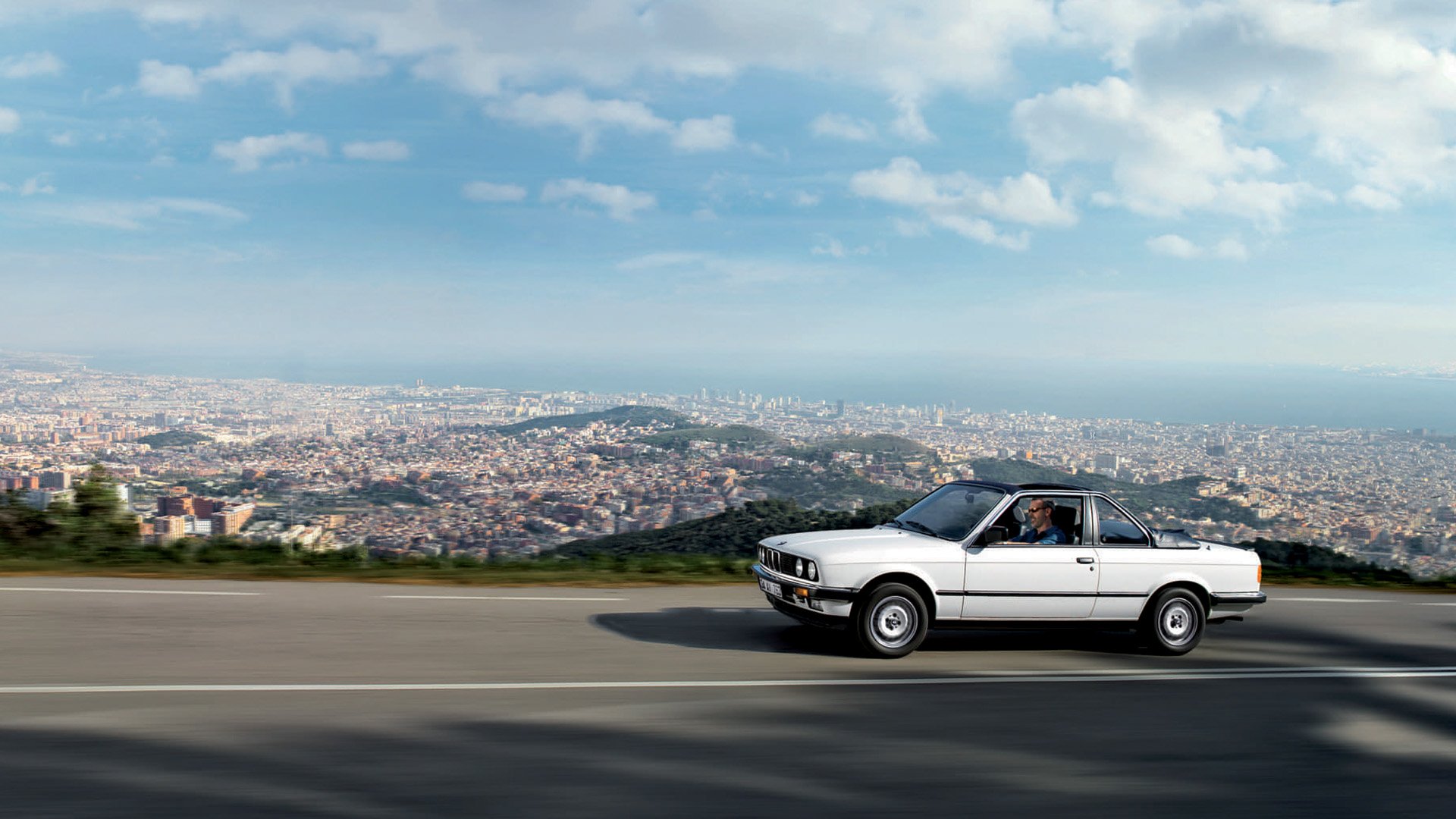
The BMW 3 Series convertible and the first BMW M3 models followed just two years later. The high-performance coupé, boasting performance of up to 238 hp, allowed BMW to take part in the German Touring Car Championship (DTM). As a “homologated” model, the BMW M3 was approved by motorsport authorities to compete in races.

The Touring “Hobby” Project.

Having started life as a prototype built by BMW employee Max Reisböck, the first Touring was added to the series in 1987. Reisböck wanted to take his family on vacation but found that the trunk of the BMW 3 Series sedan with its notchback design lacked the space required. As a trained bodywork engineer, Reisböck cut the C-column and shifted it to the rear, thereby creating the first-ever station wagon offered by BMW. 

Two cars parked next to each other with an opened hood
Front of a white BMW 3 series (2nd generation)
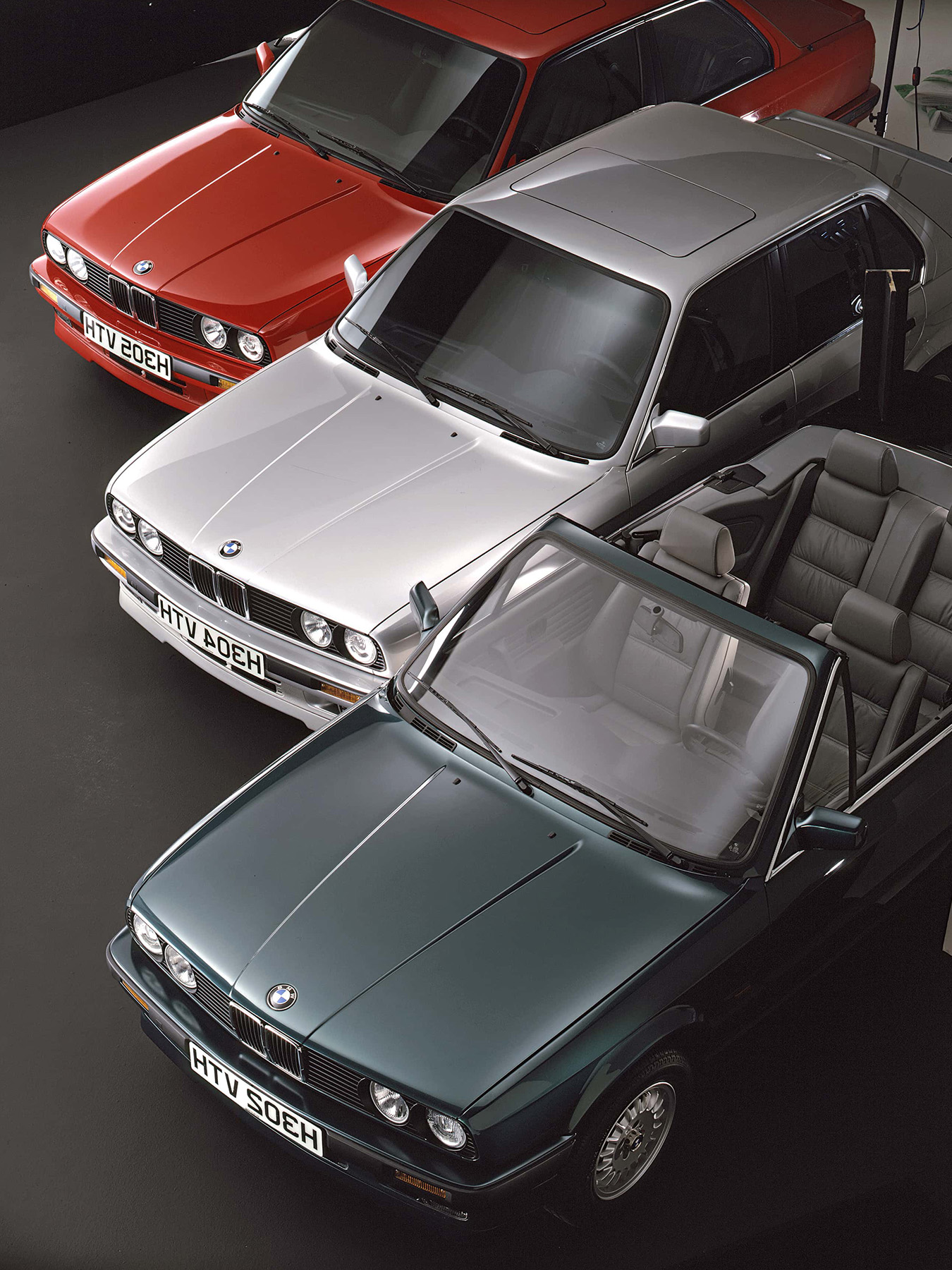
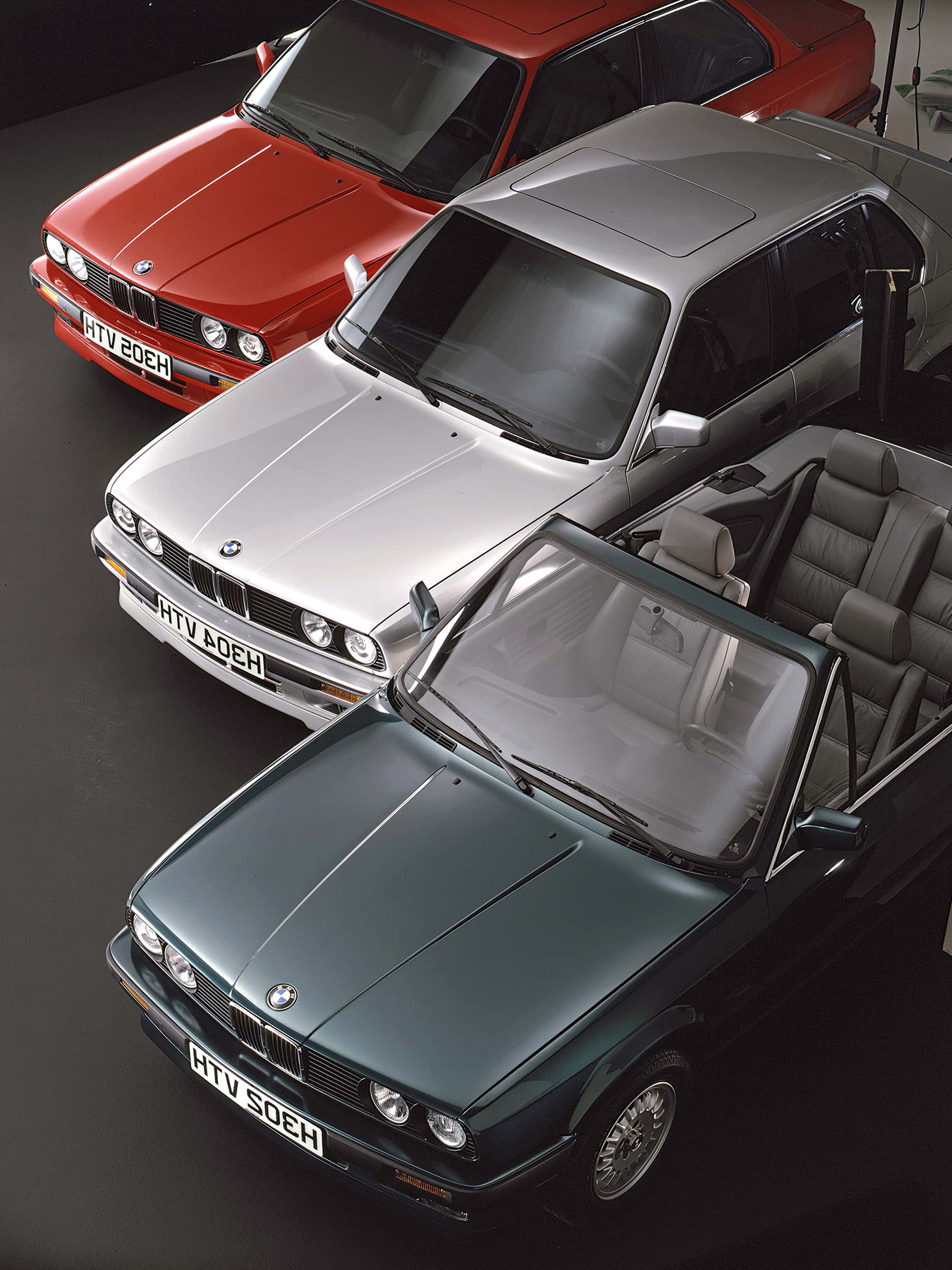
Three BMW 3 series in different colors parked next to each other
Back of a white BMW 3 series (2nd generation)
Two cars parked next to each other with an opened hood
Three BMW 3 series in different colors parked next to each other
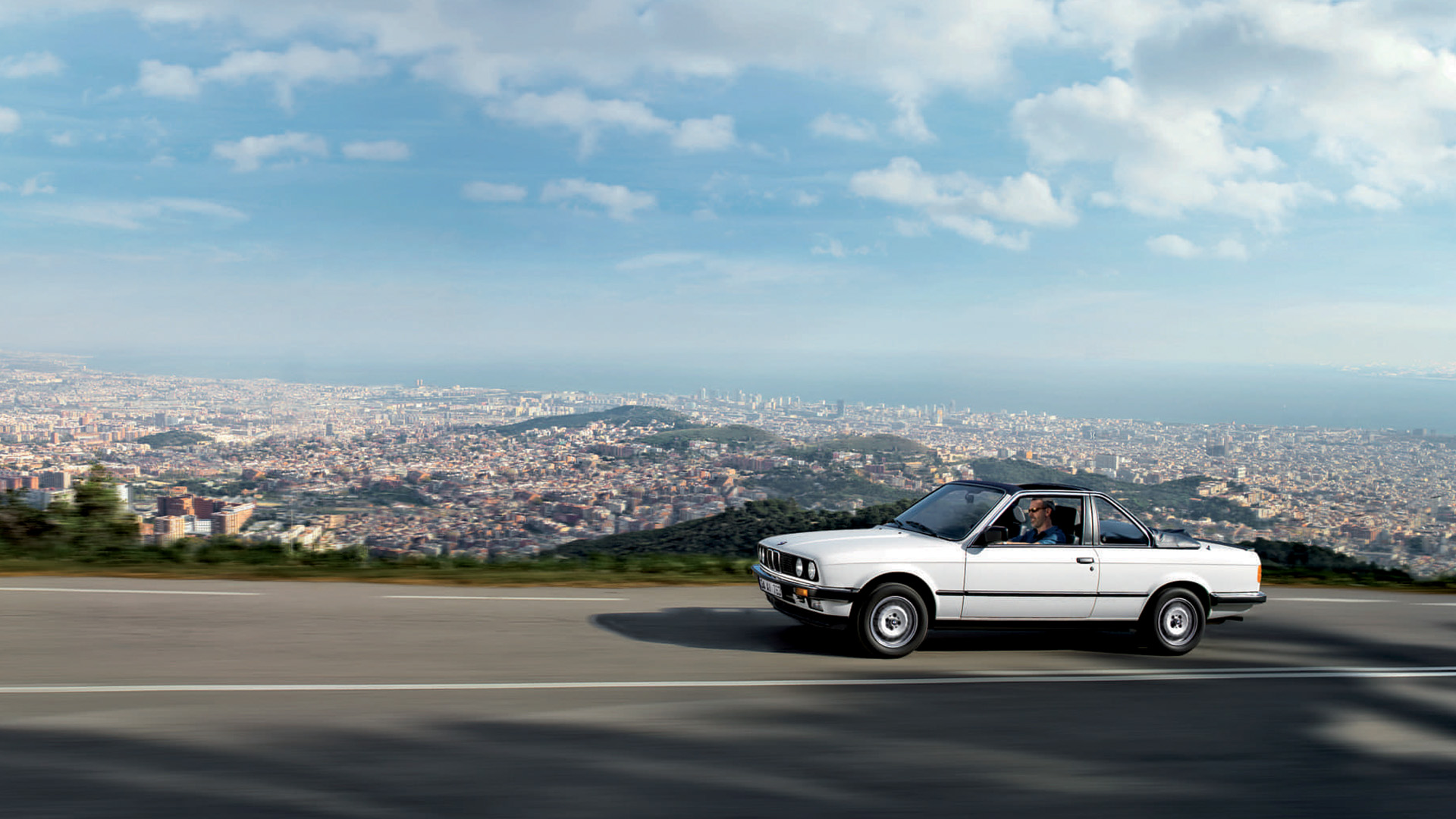
White BMW 3 series (2nd generation) on a mountain road overiewing a city

3rd generation.

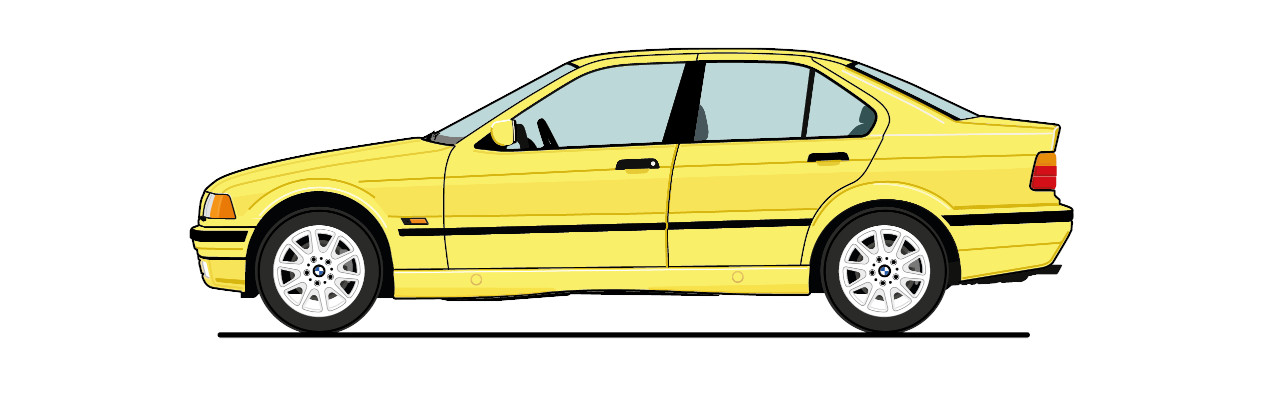
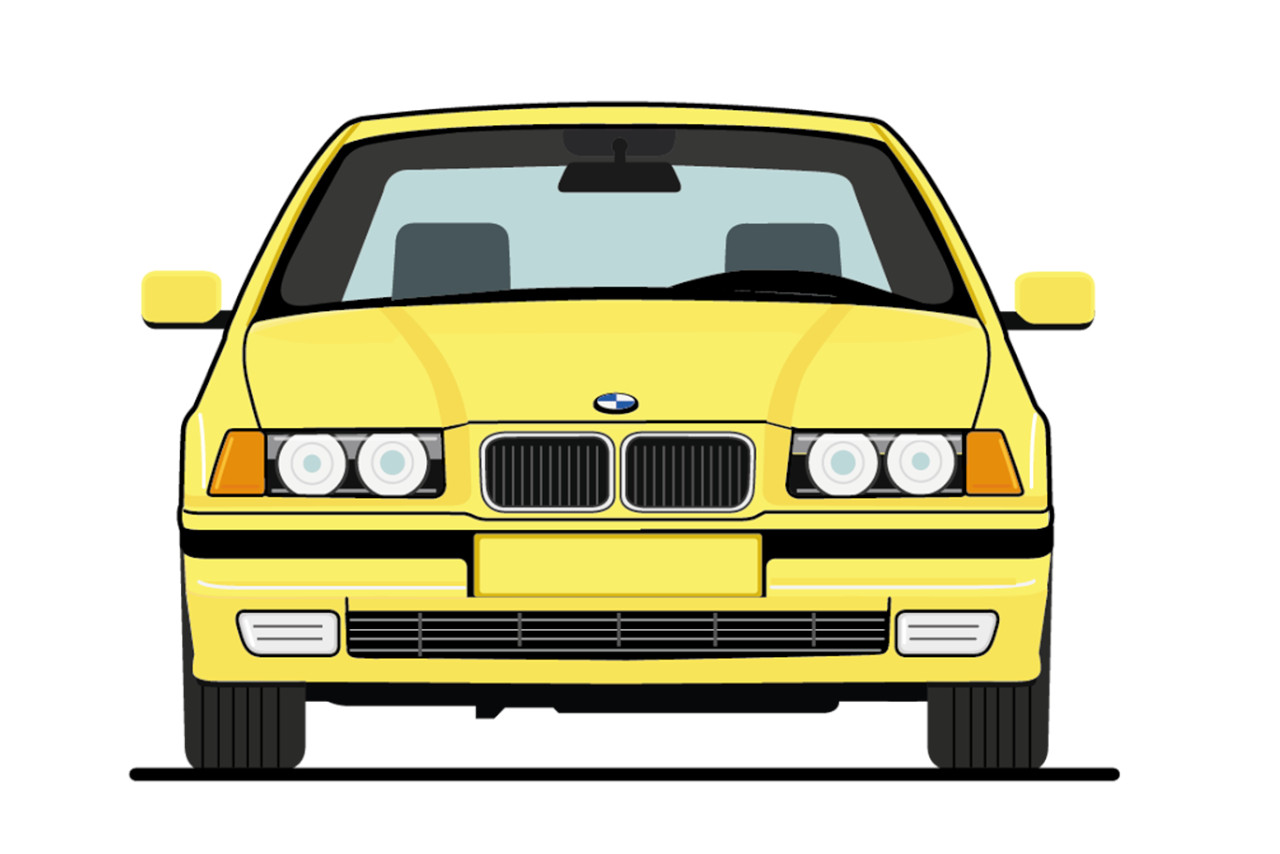
Yellow BMW 3series (3rd generation) illustrated.
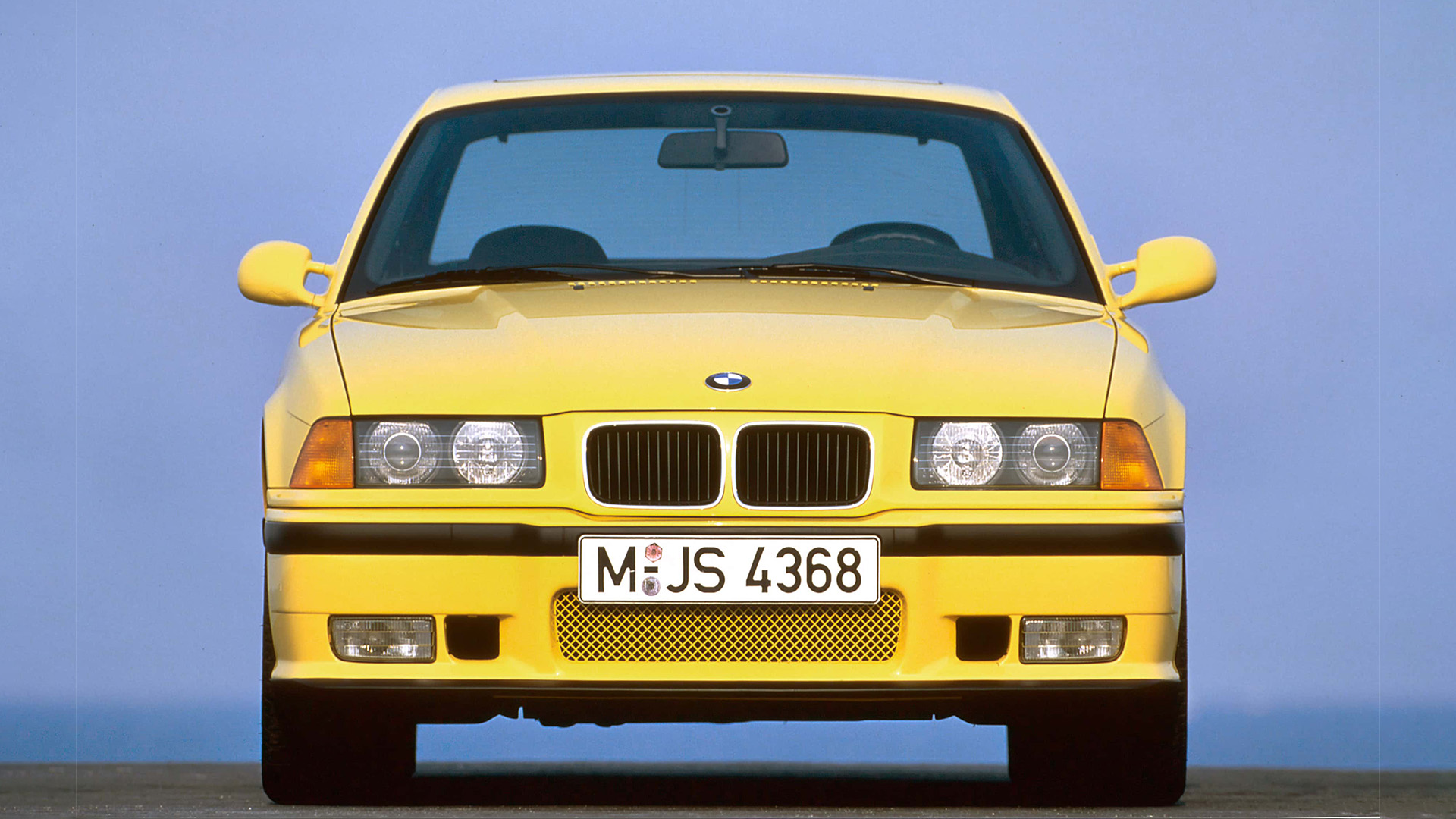
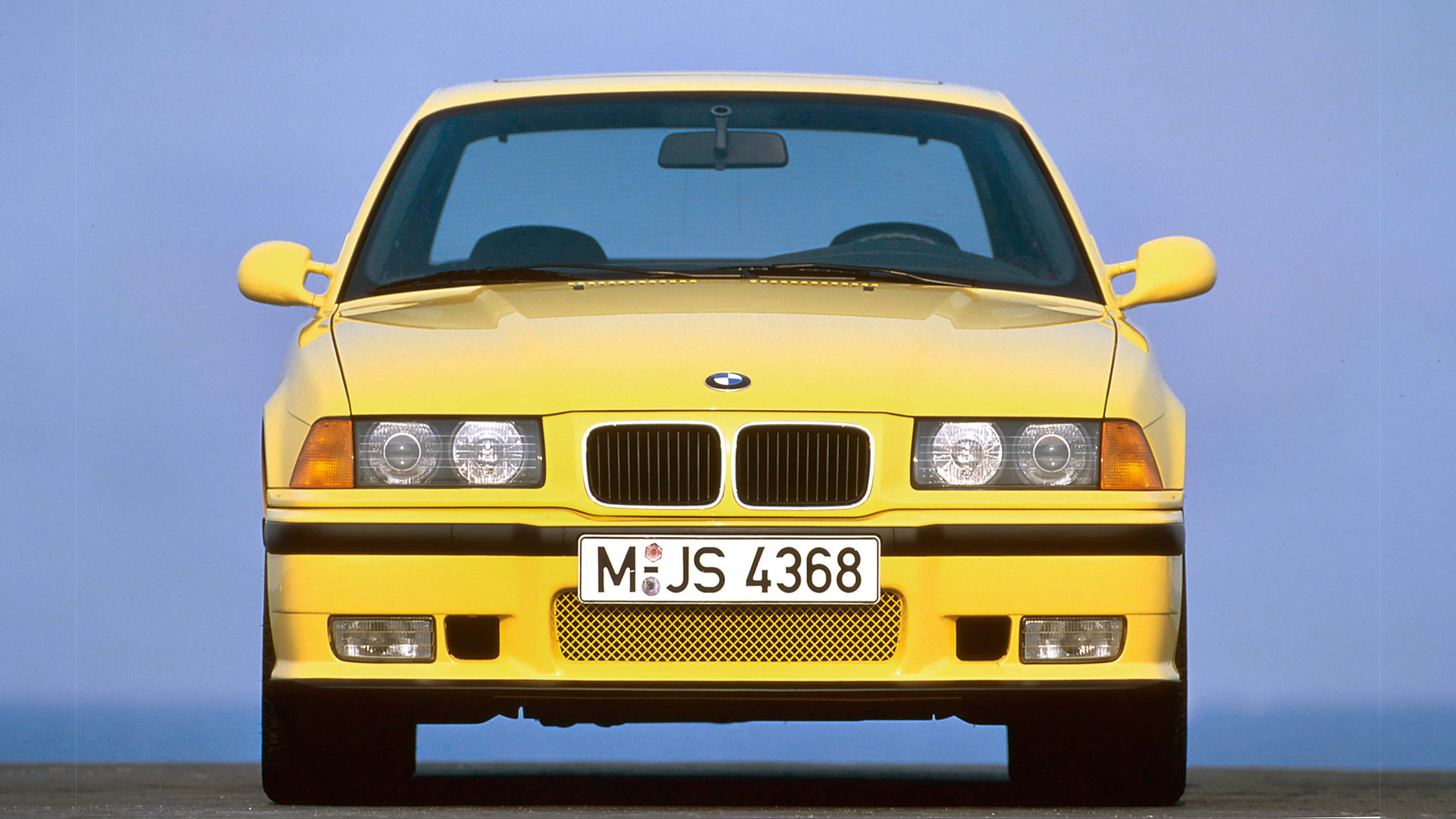
Front of a yellow BMW 3 series (3rd generation)
  • Built: 1990-2000
  • Power: 73-236 kW / 99-321 hp
  • Variants: Sedan, Coupé, Convertible, Baur Topcabriolet, Touring, Compact, M3 (as Sedan, Coupé, and Convertible)

Wide-leg jeans and flannel shirts were all the rage. Boy bands were in their heyday, thanks to the success of groups like the Backstreet Boys and New Kids on the Block. Families could suddenly use a modem to go “online.” Welcome to the nineties!

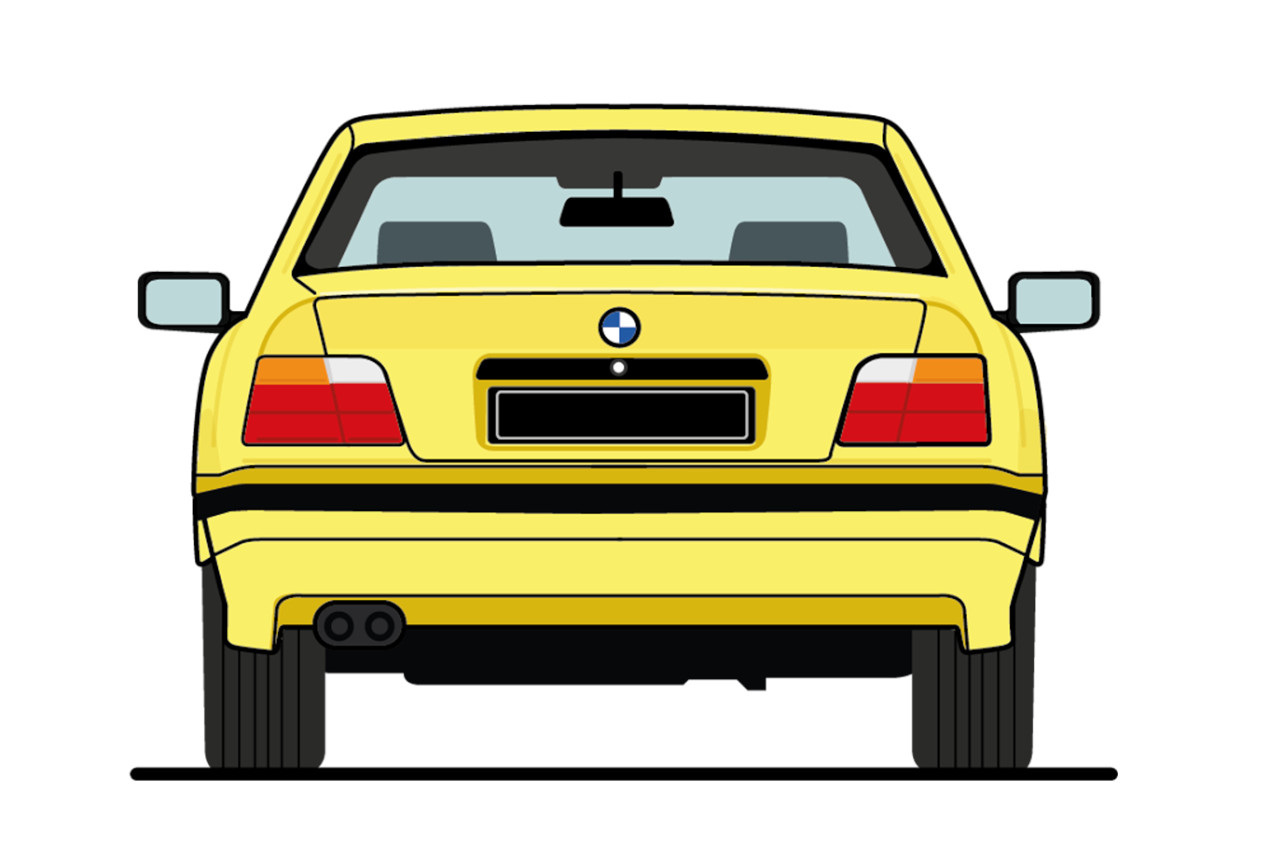
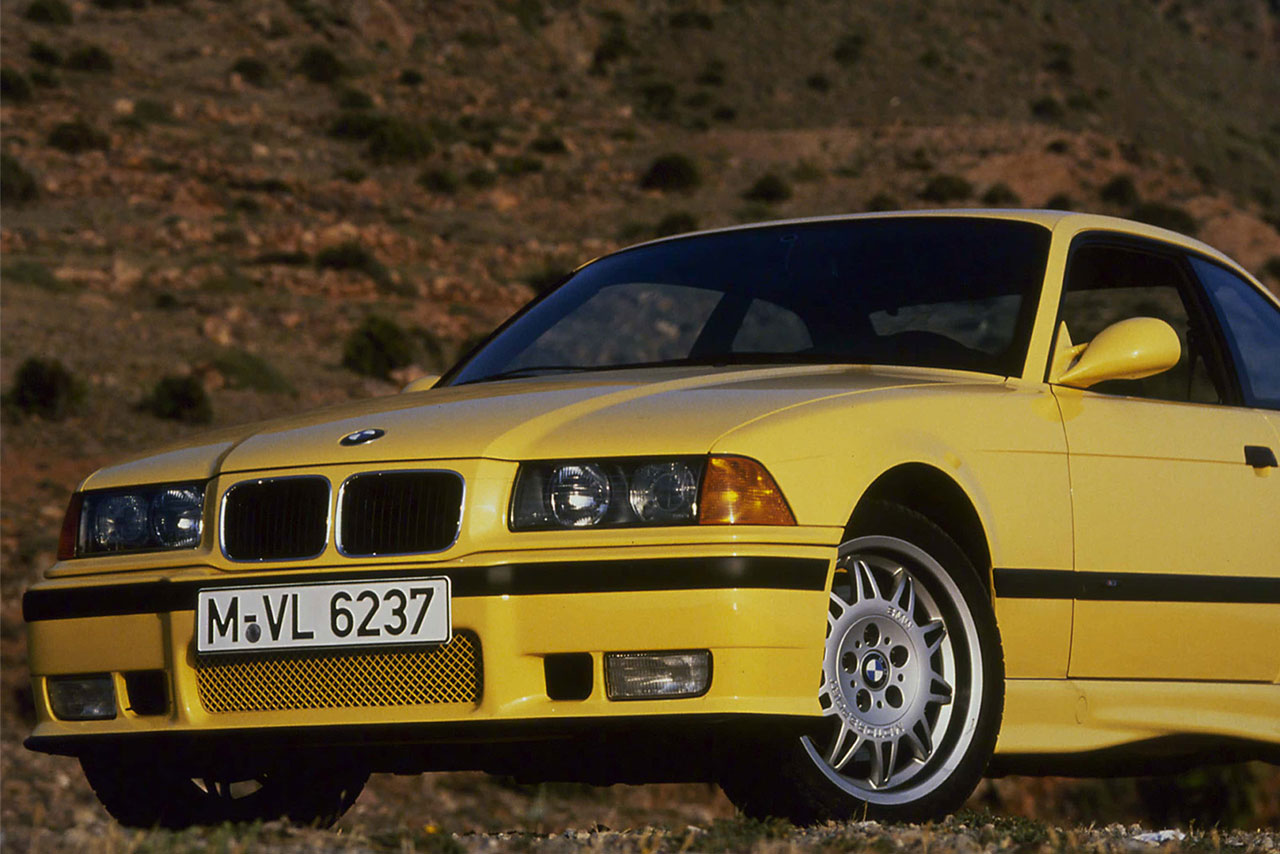
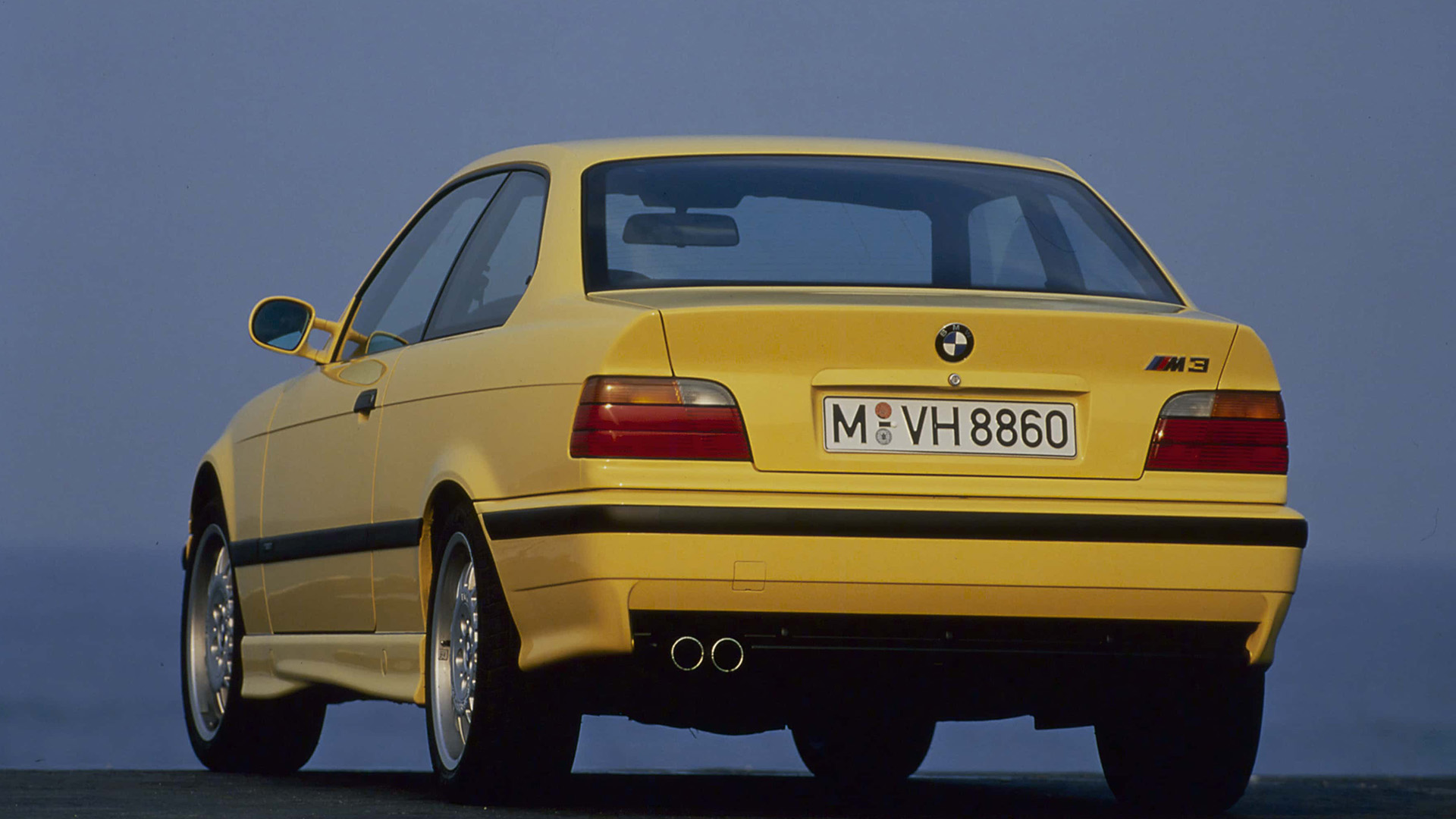
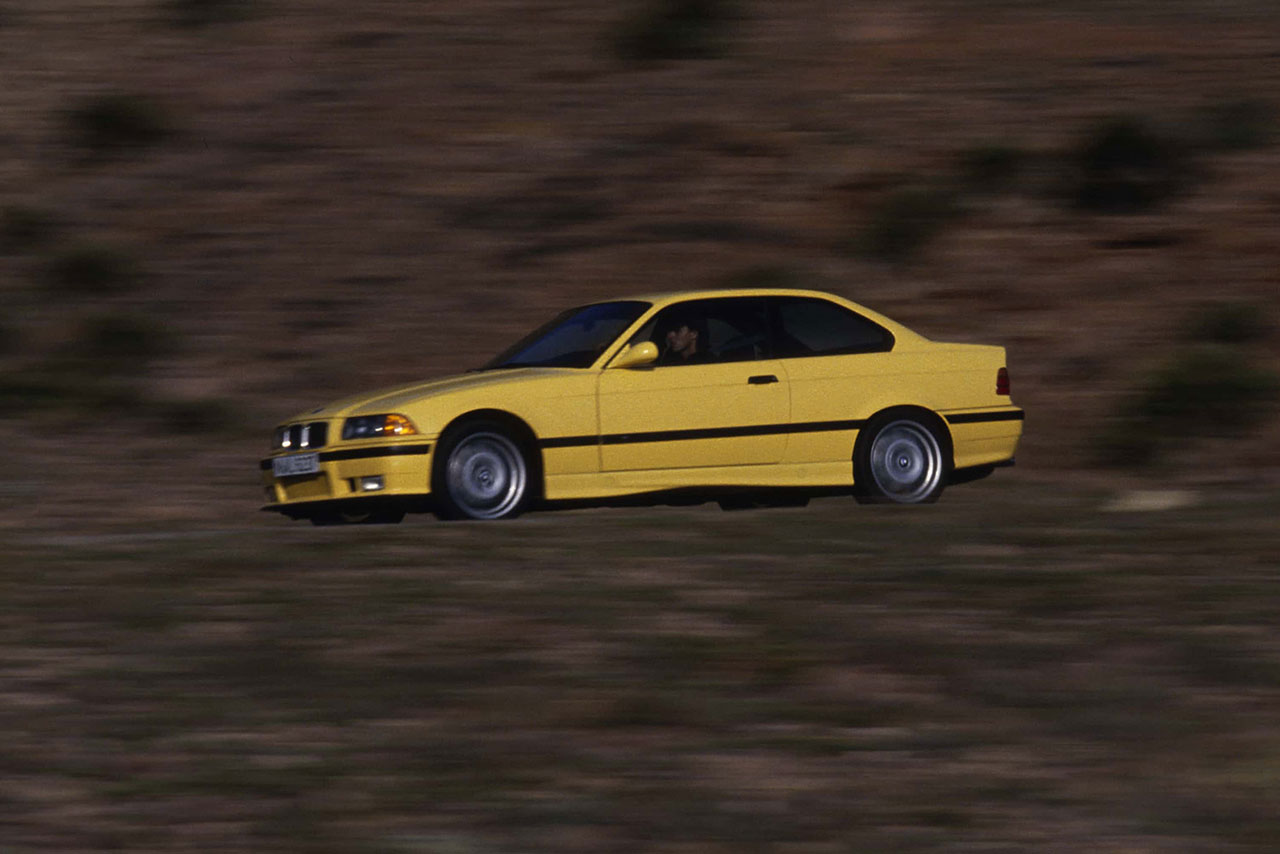
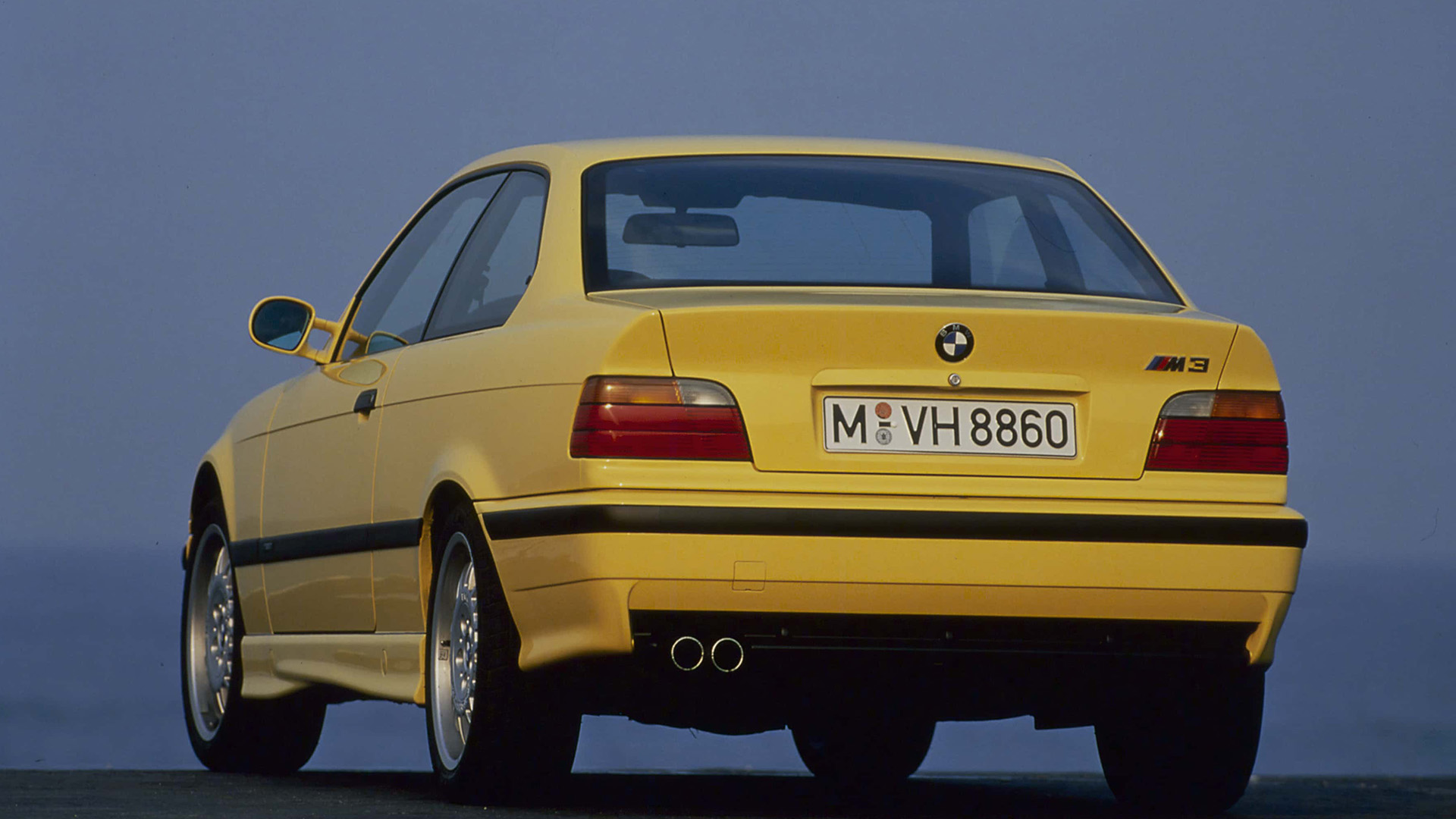
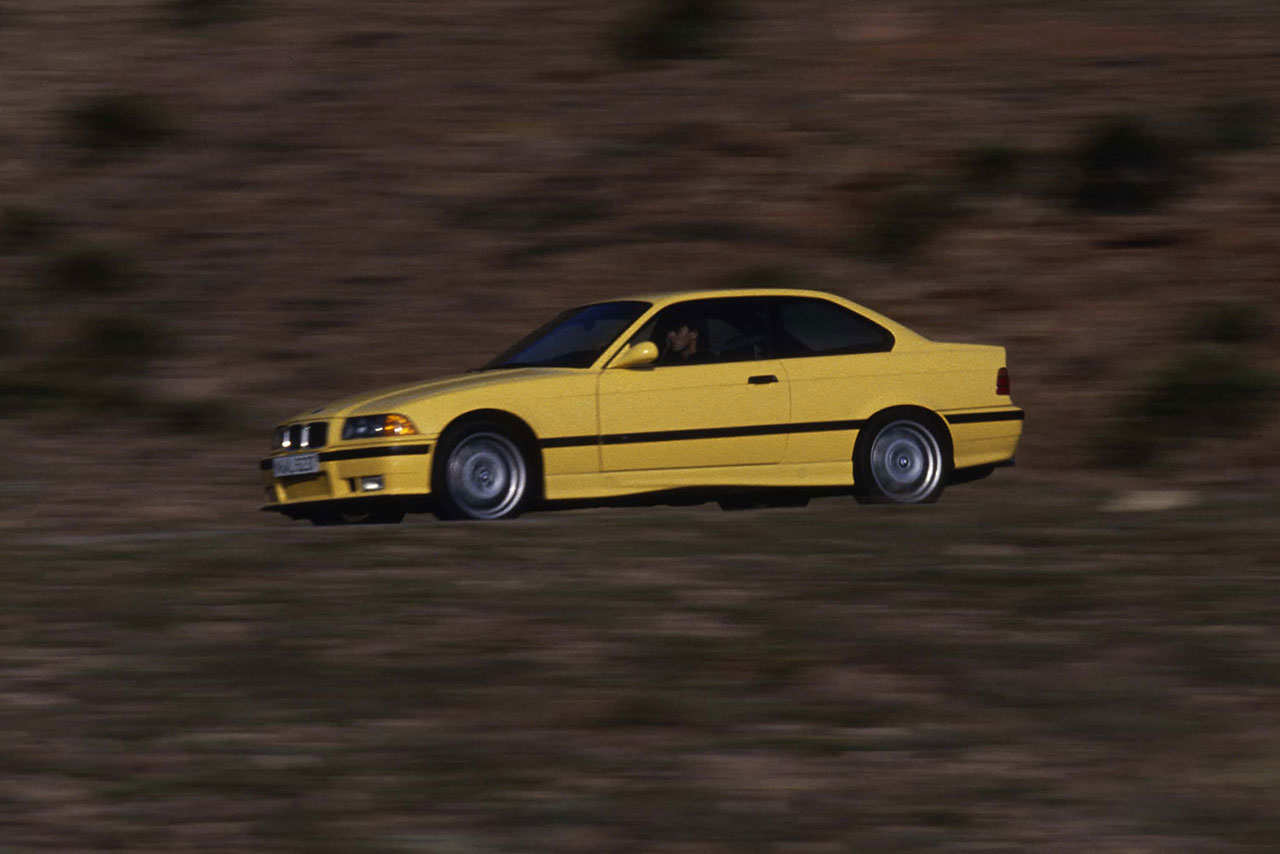
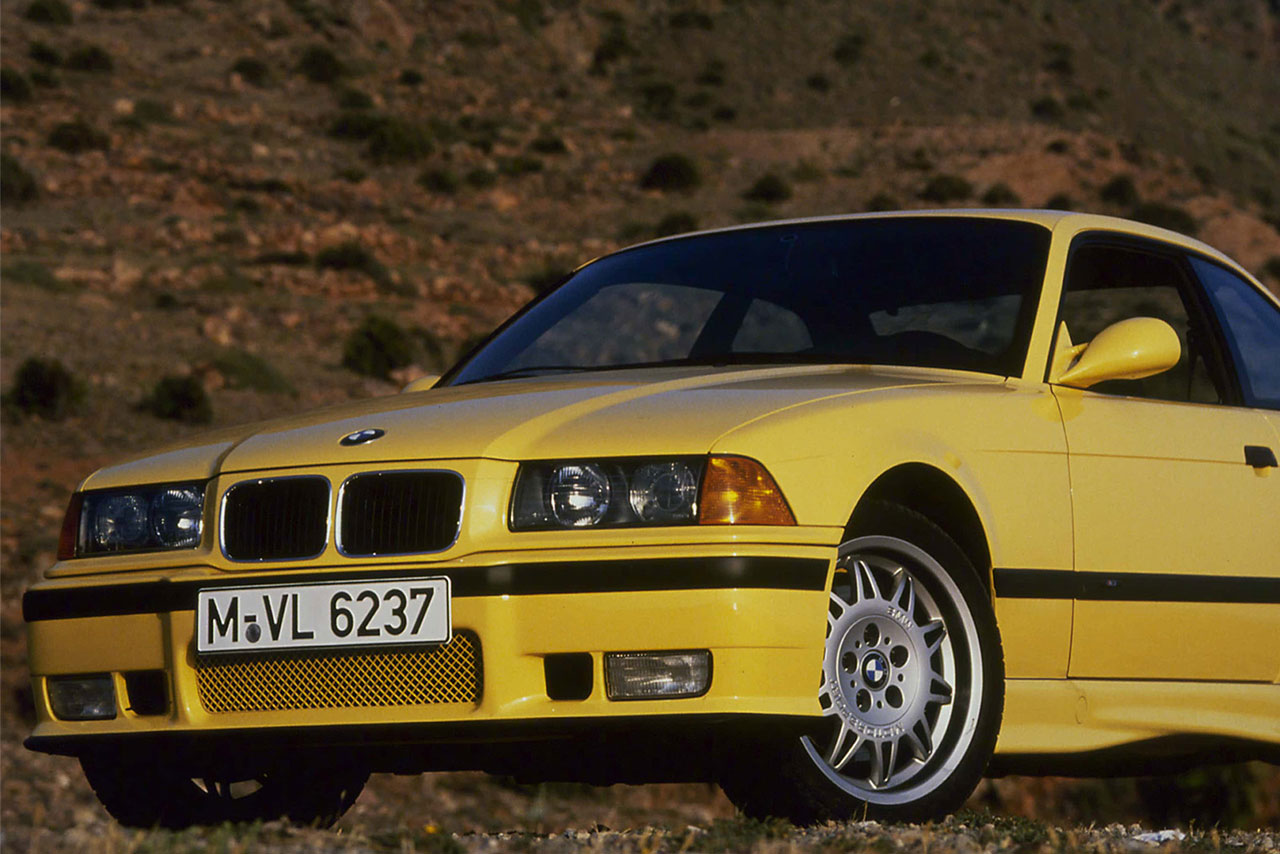
The third generation of the BMW 3 Series represented one of the most significant design advances in its history to date. The formal language was much more coupé-oriented, with a strongly sloping A-line and C-line. The angle of the roof now had a clear downward incline. And the third-generation vehicles were also notable for the twin headlamps installed beneath a shared glass cover.

Back of a yellow BMW 3 series (3rd generation)

Eight Variants of the 3 Series.

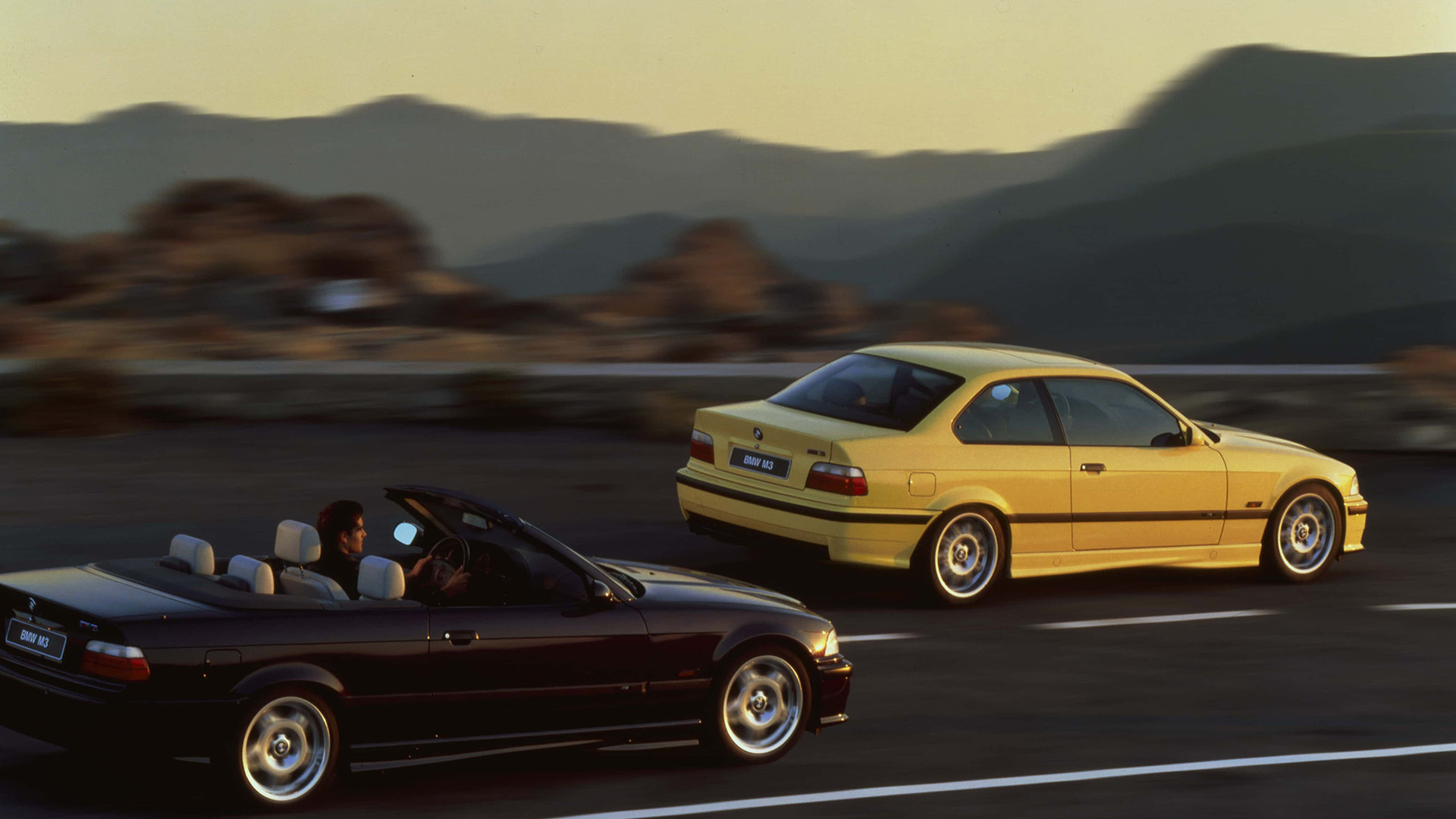
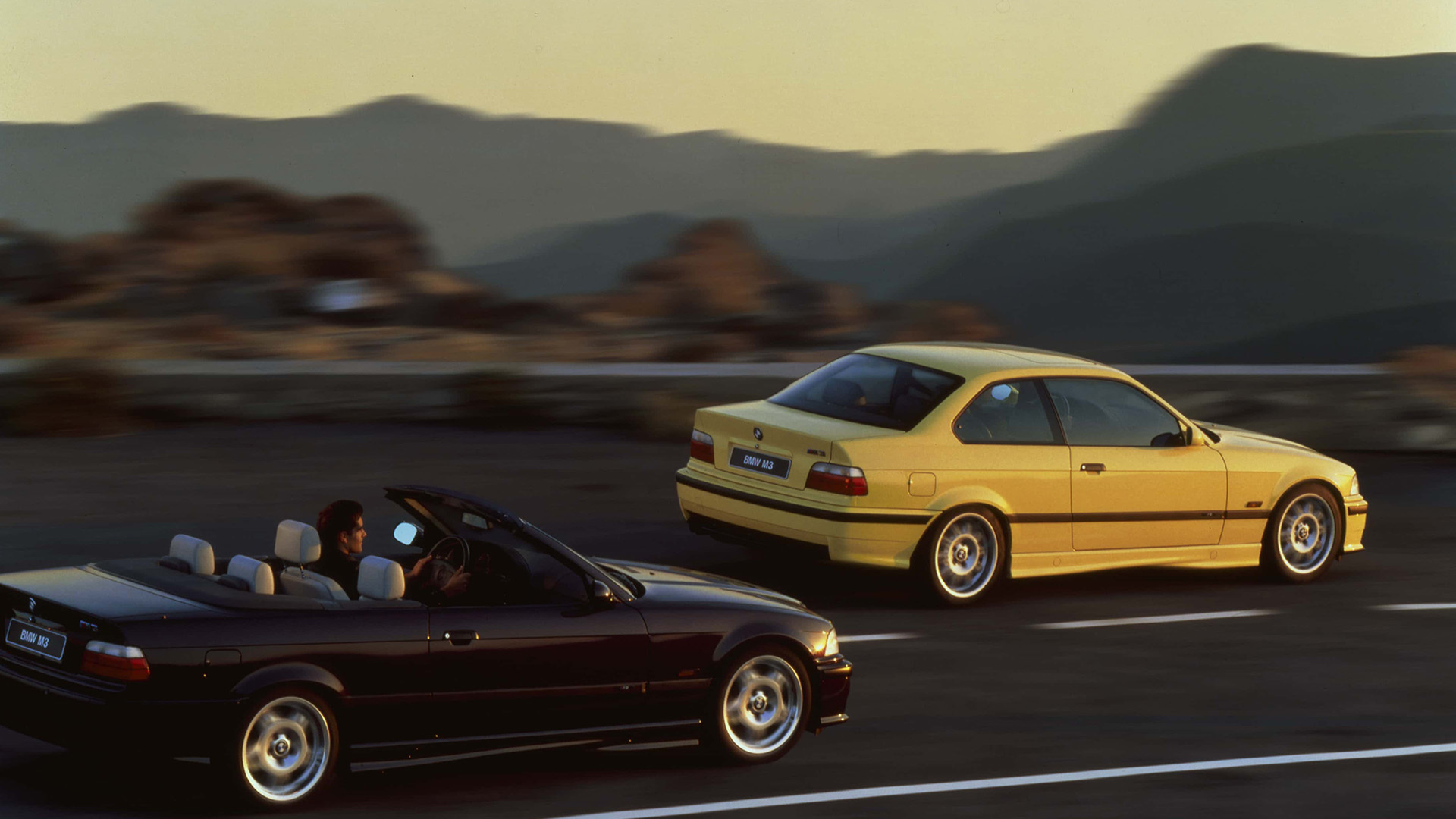
The third-generation of the BMW 3 Series comprised the widest range of body styles to date, including the Sedan, Coupé, Convertible, Touring, Compact, and M3 – the latter as a Sedan, Coupé, or Convertible.

Compact Hatchback.

The BMW 3 Series Compact represented something brand new in the range. This new variant was launched in March 1994 as a more compact three-door hatchback option. While the front of the vehicle was no different from the other models, the rear end had a unique design and was 22.5 cm shorter than the Coupé. The BMW 3 Series Compact was well received, moving from a standing start to become the model with the third-highest sales, behind the Sedan and the Coupé.

Front of the yellow BMW 3 series E36 in the nature
Back of the 3rd generation BMW 3 series (M3) driving through nature
BMW E36 on a mountain road
Two BMW E36 on a scenic road
BMW E36 front
Back of the 3rd generation BMW 3 series (E36 M3) driving through nature
yellow BMW E36 on a mountain road
Front of the yellow BMW 3 series in the nature
Front of a yellow BMW E36 in the nature
Two BMW E36 on a scenic road

4th generation.

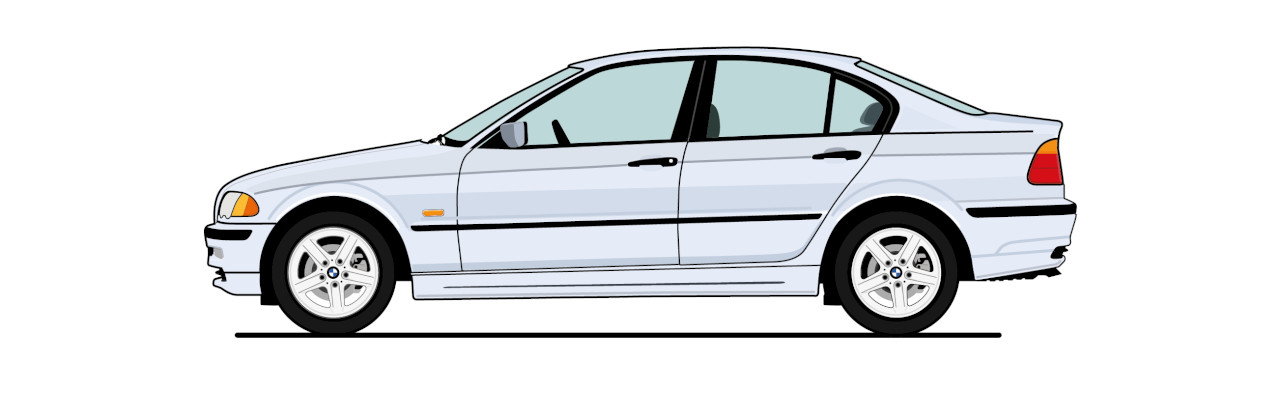
Illustrated side view od the 4th generation BMW 3 series (E46)
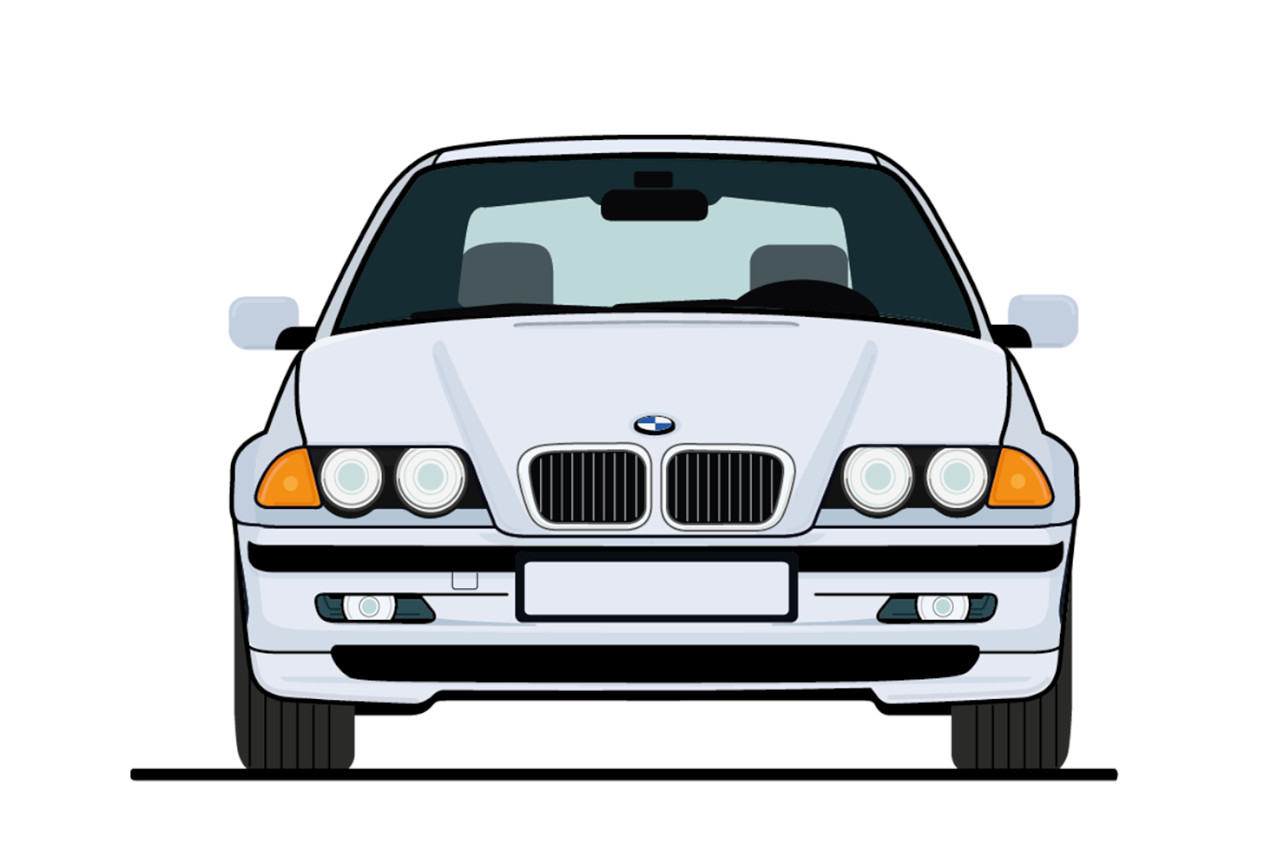
Front of a illustrated silver BMW E46
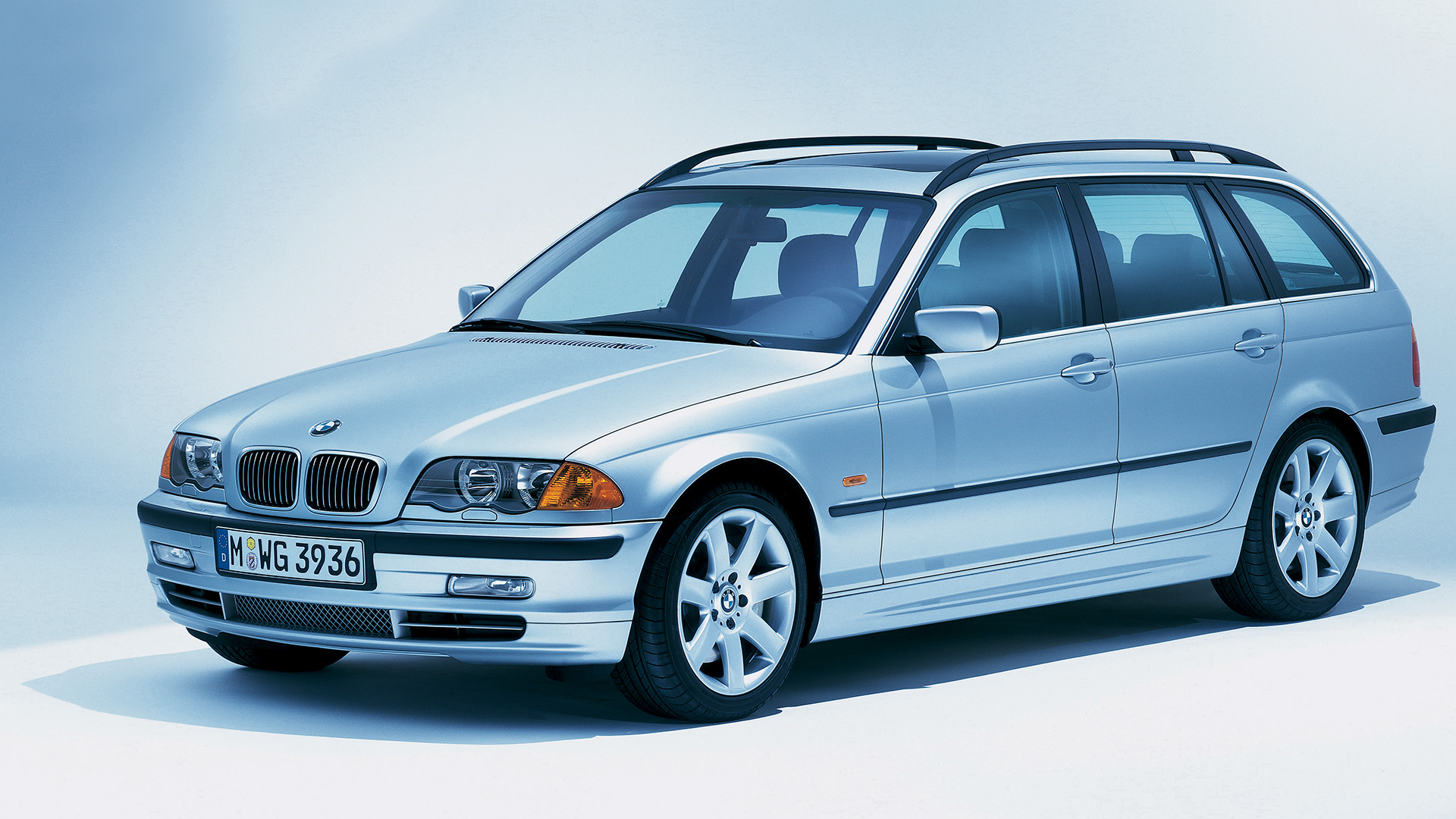
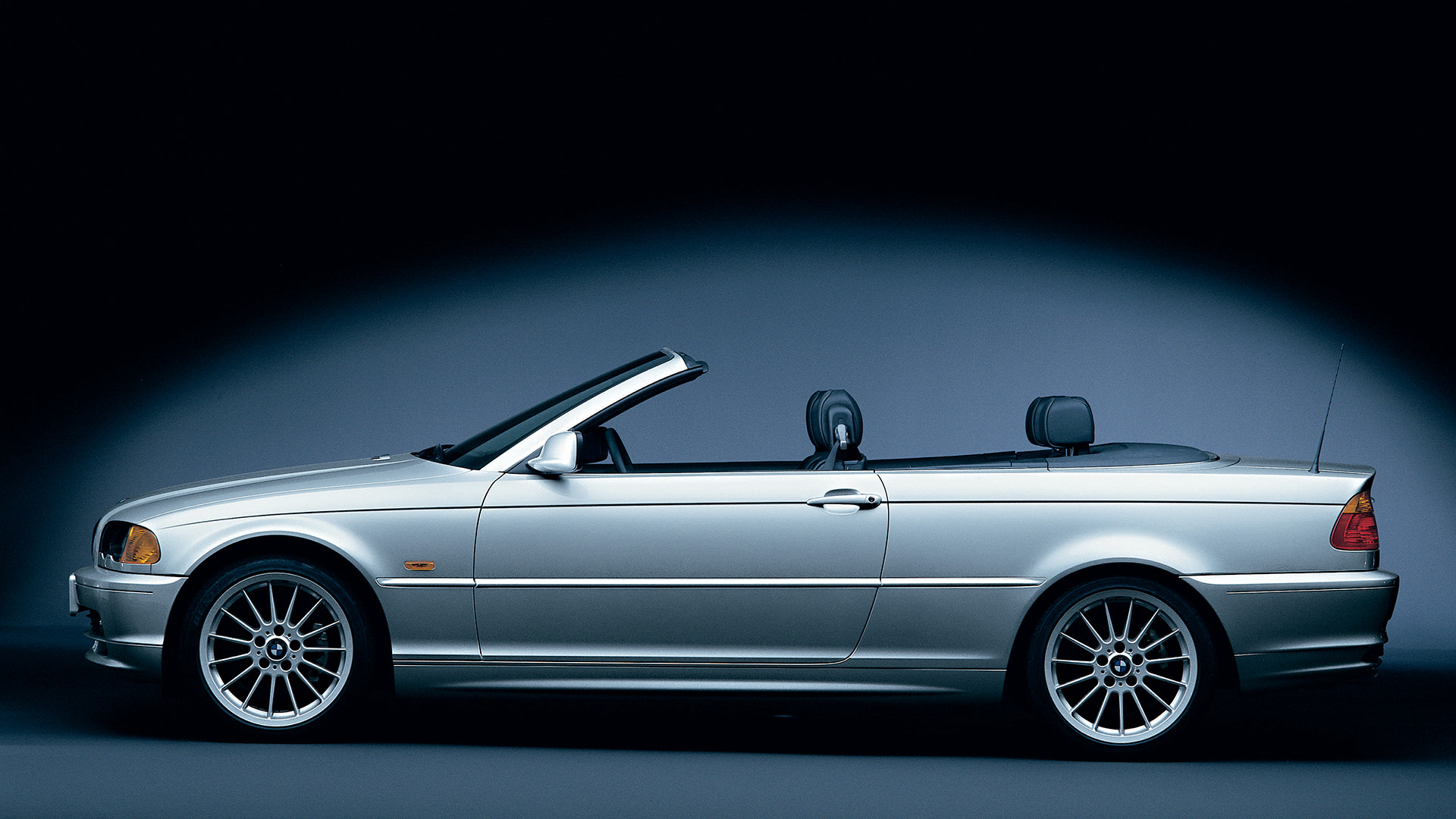
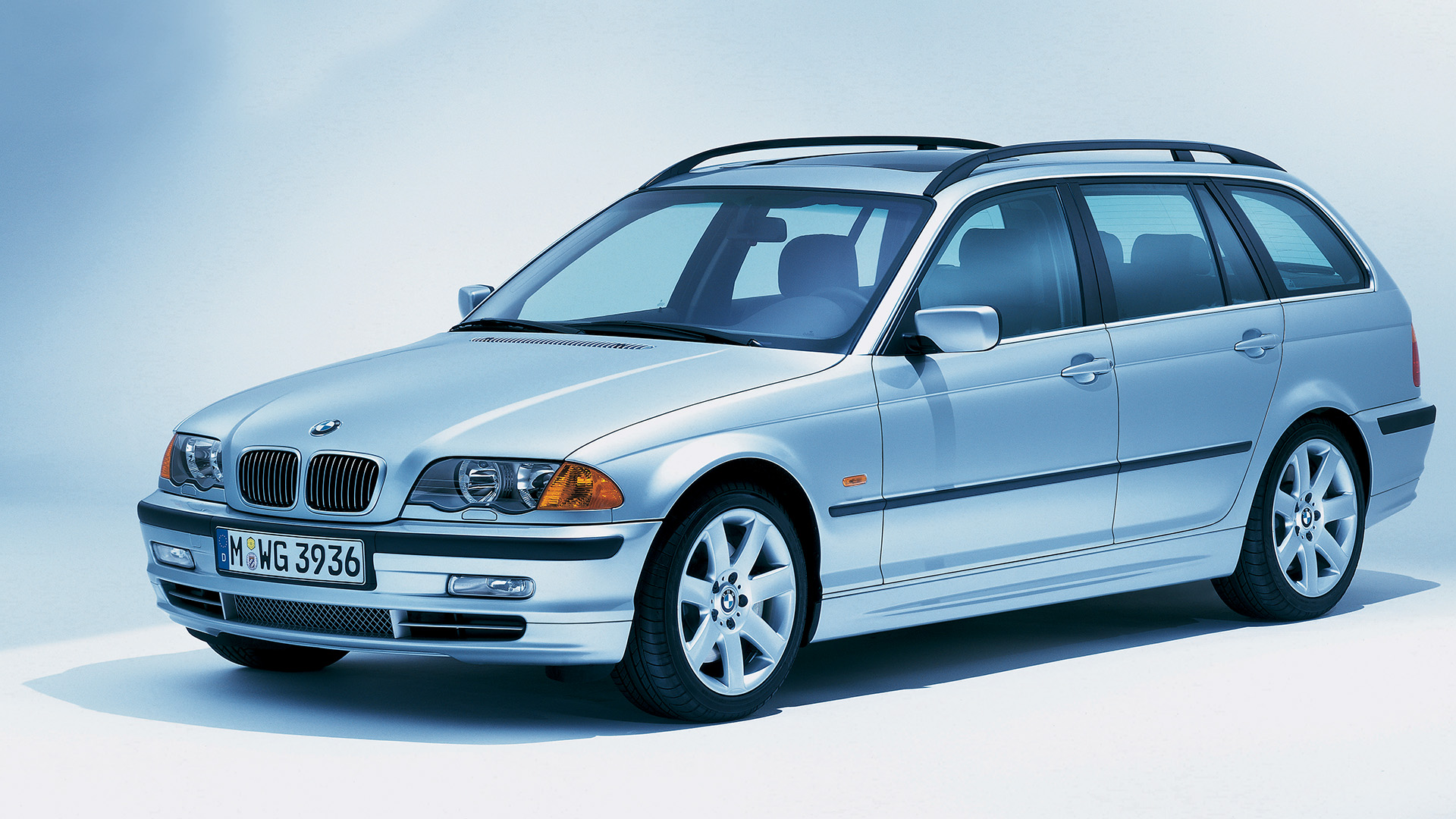
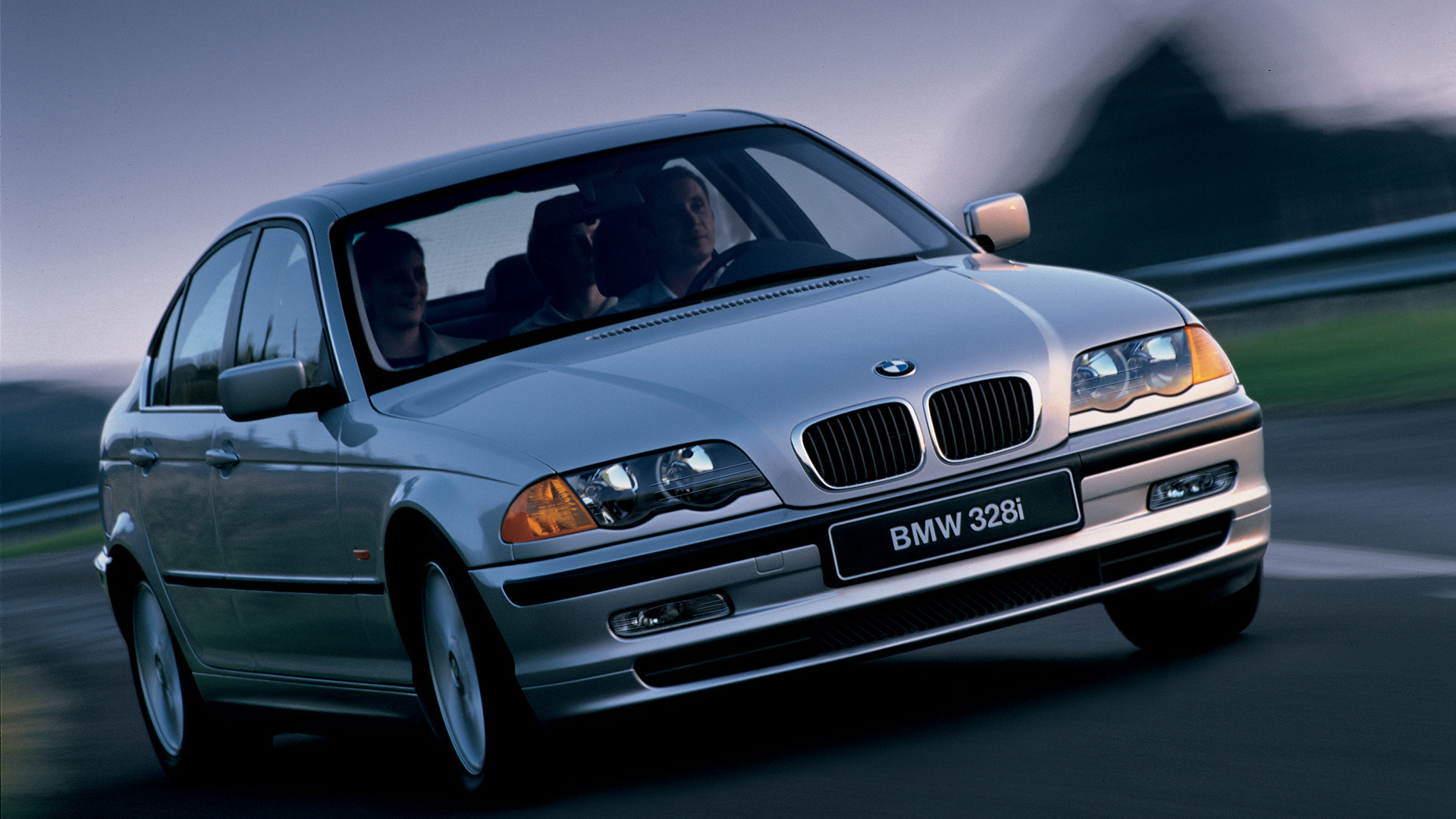
  • Built: 1997-2006
  • Power: 77-265 kW / 105-360 hp
  • Variants: Sedan, Coupé, Convertible, Touring, Compact, M3 (as Coupé and Convertible)

It was in 1997 that the blockbuster movie “Titanic” broke cinema records. Suddenly, piercings and tattoos had become commonplace, while text messaging became an everyday mode of communication. The comet Hale-Bopp shifted the world’s focus up into the night sky.

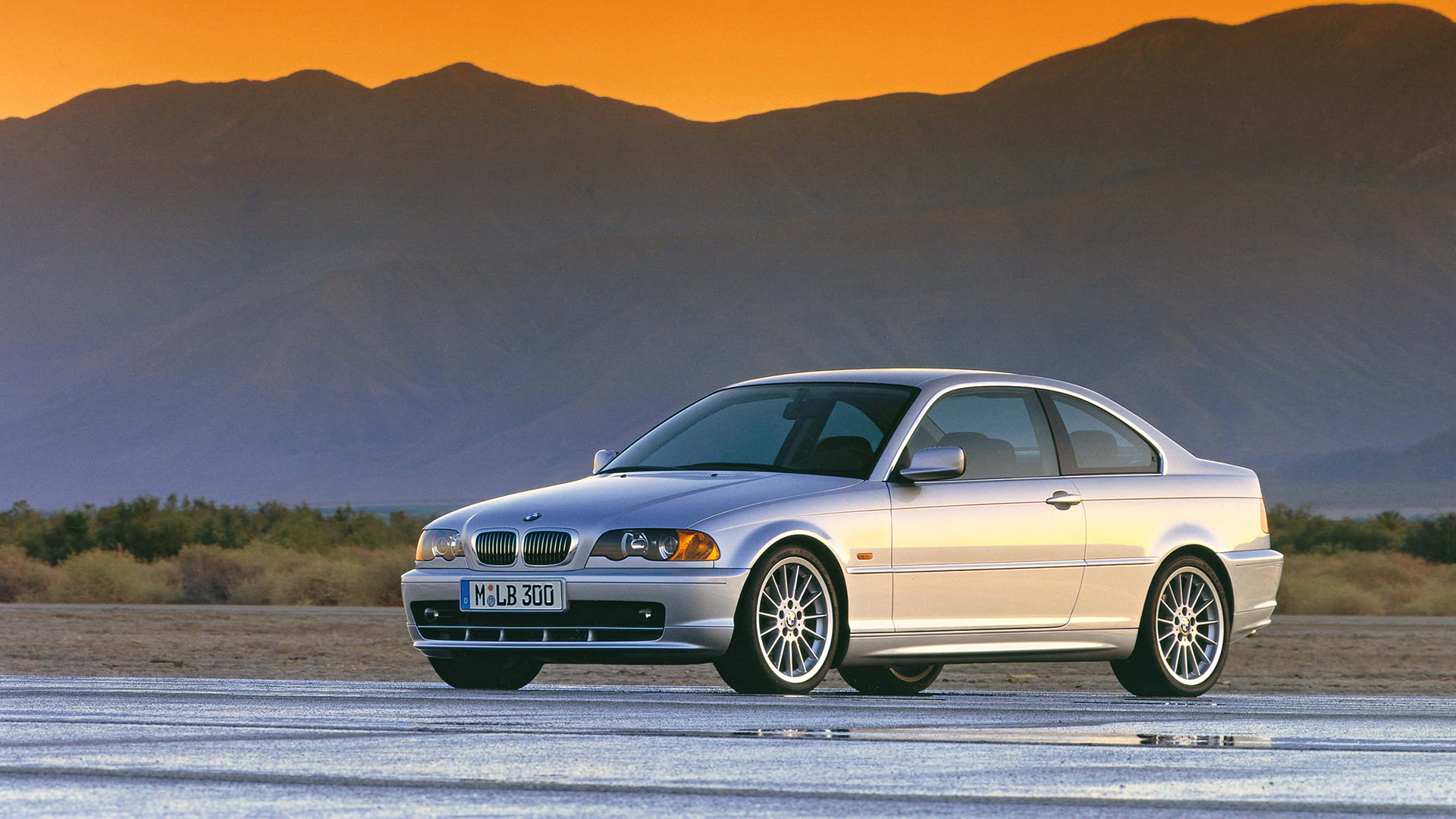
The year 1997 also saw the launch of the fourth generation of the BMW 3 Series. Just as before, the Sedan was the first model to be released, followed by the Coupé, Convertible, Touring, Compact, and M3. For the first time, significant styling differences were evident within the range, with the Coupé, Convertible, and Compact models each having their own language of form.

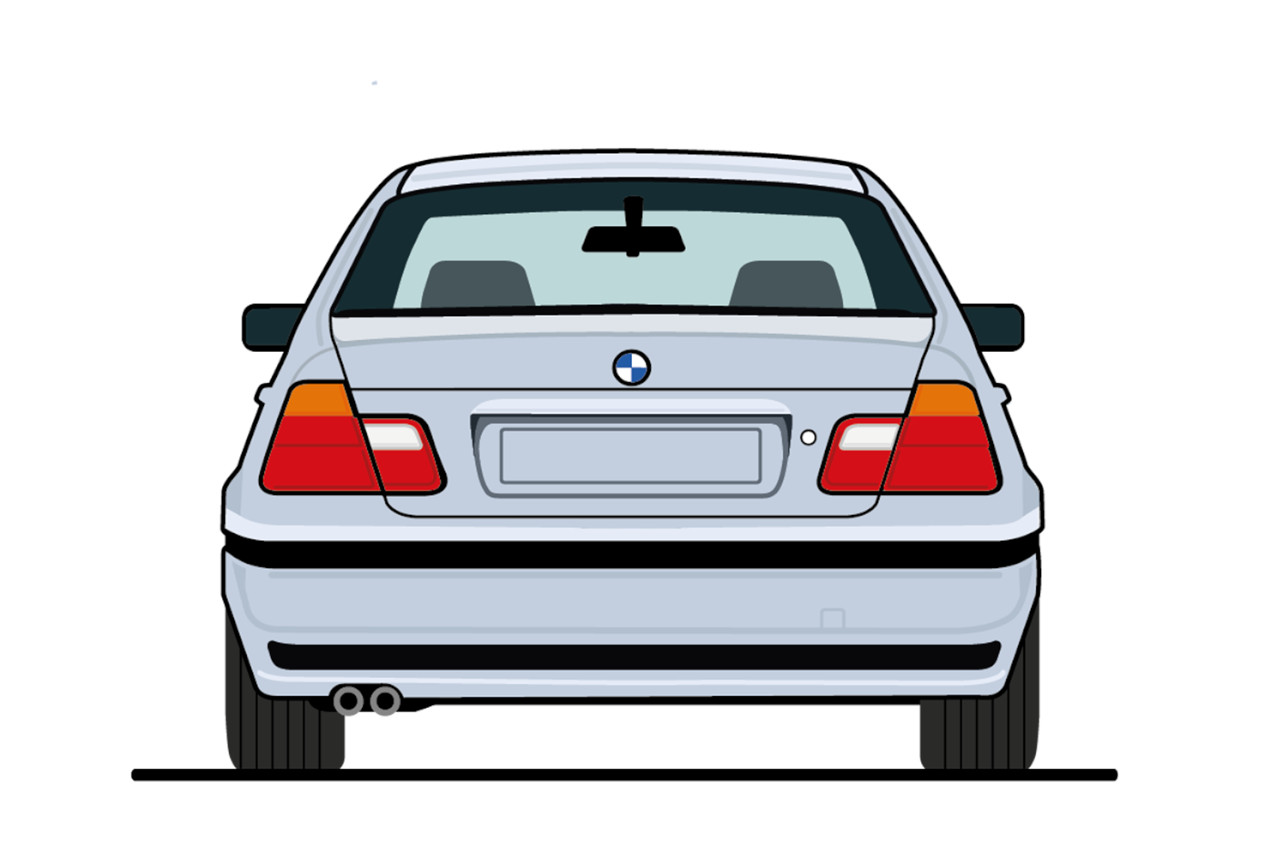
Back of a illustrated BMW e46

The Greenhouse as a Driver of Sales.

Particularly with its profile, the fourth-generation BMW 3 Series reinterpreted elements of BMW sedan design. The three-box design was retained (with its clear delineation between the hood, passenger compartment, and trunk). However, the whole greenhouse – in other words, the windshield, the rear and side windows, the pillars separating them, and the car’s roof – was redesigned.

Seen from the side, the profile of the roof was given a more pronounced curve. This created more headroom for the passengers in back.

The new design changes were a success: With 3,266,885 units sold, the fourth generation of the BMW 3 Series is the top-selling BMW model of all time.

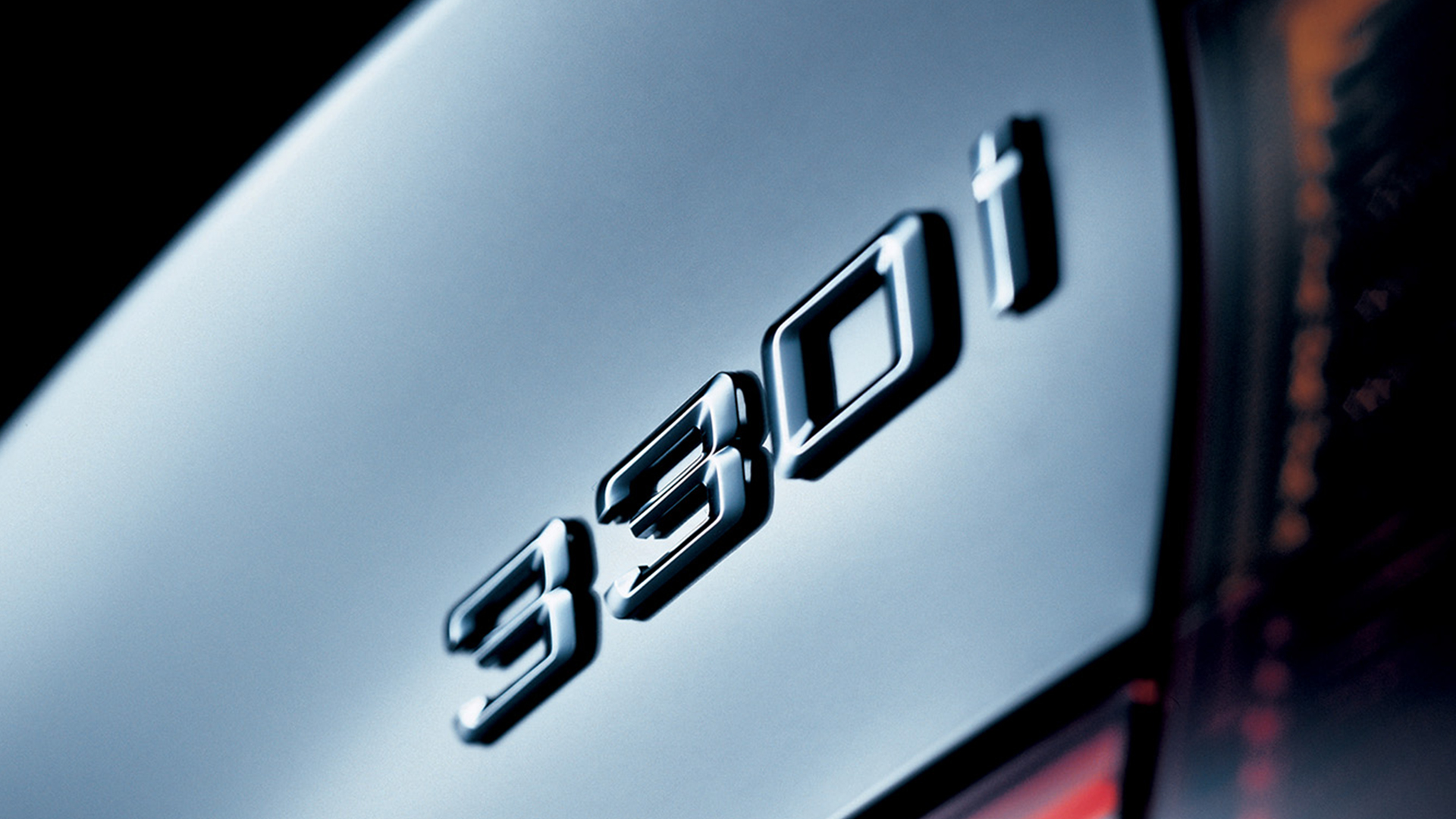
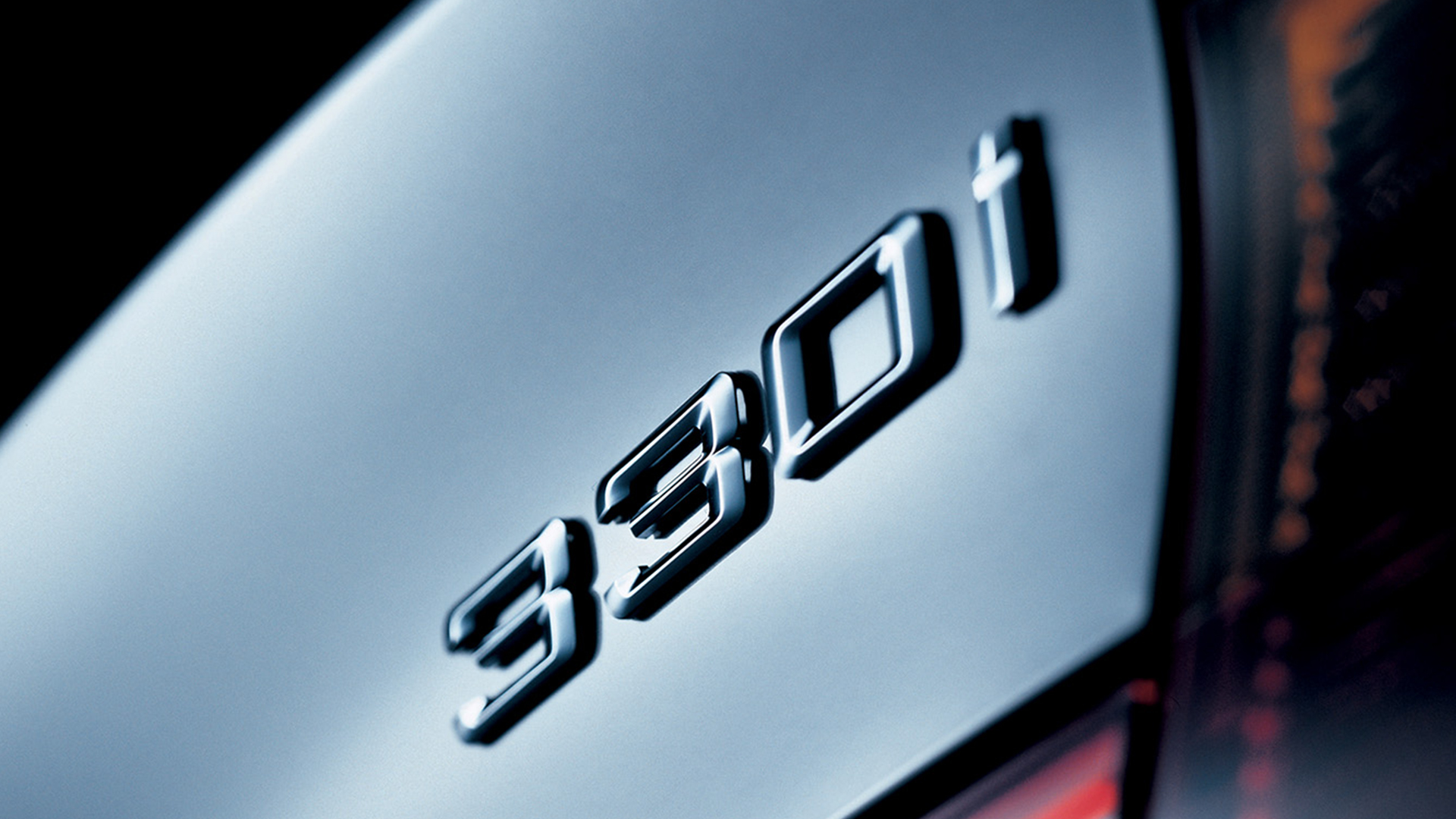
BMW 330i emblem
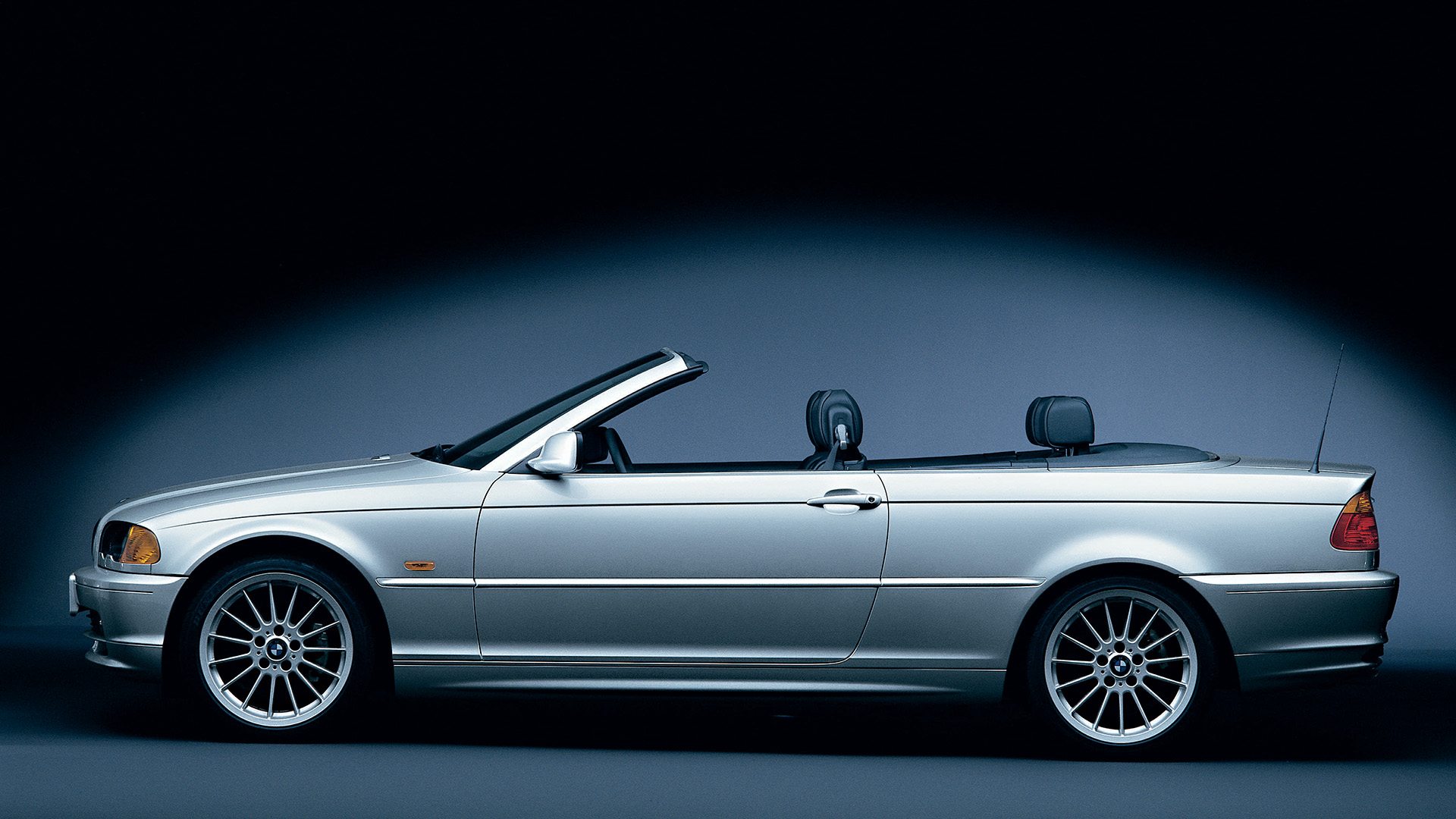
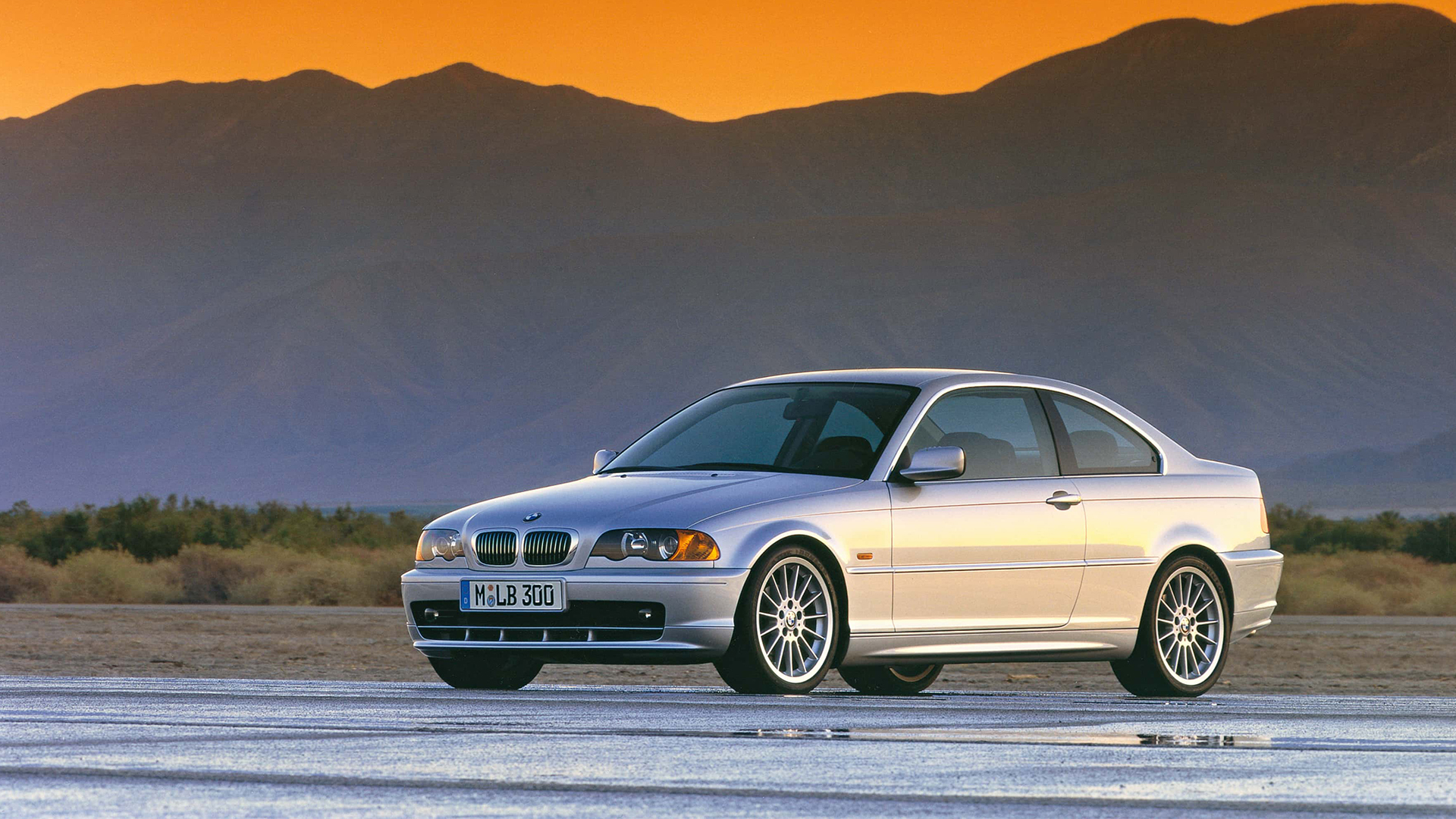
Side view of a silver BMW E46 convertible
Silver BMW E46 driving on a wet road
BMW E46 on the road
BMW E46 Touring in silver
BMW E46 convertible sideview
BMW E46 Touring in silver
BMW E46 frontview driving on the road
BMW 330i emblem
Silver BMW E46 driving on a wet road

5th generation. 

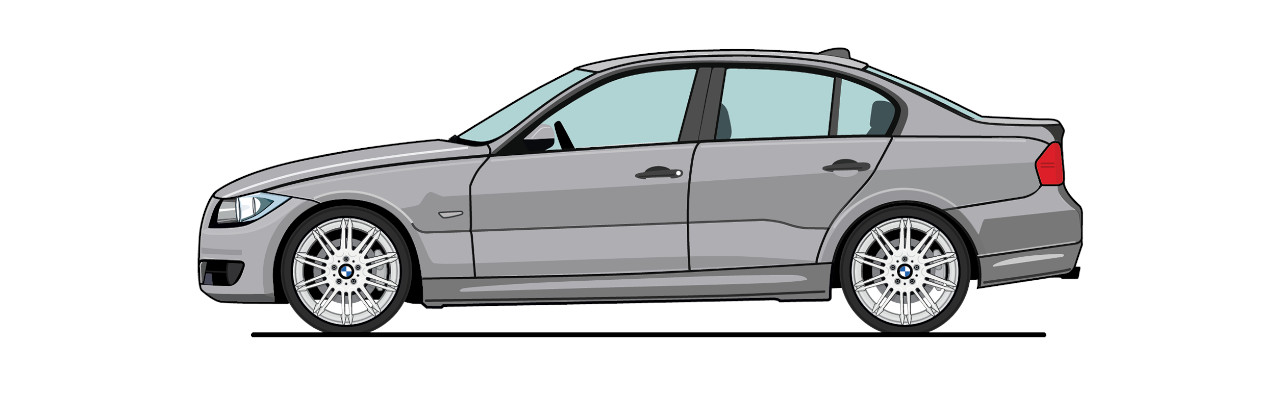
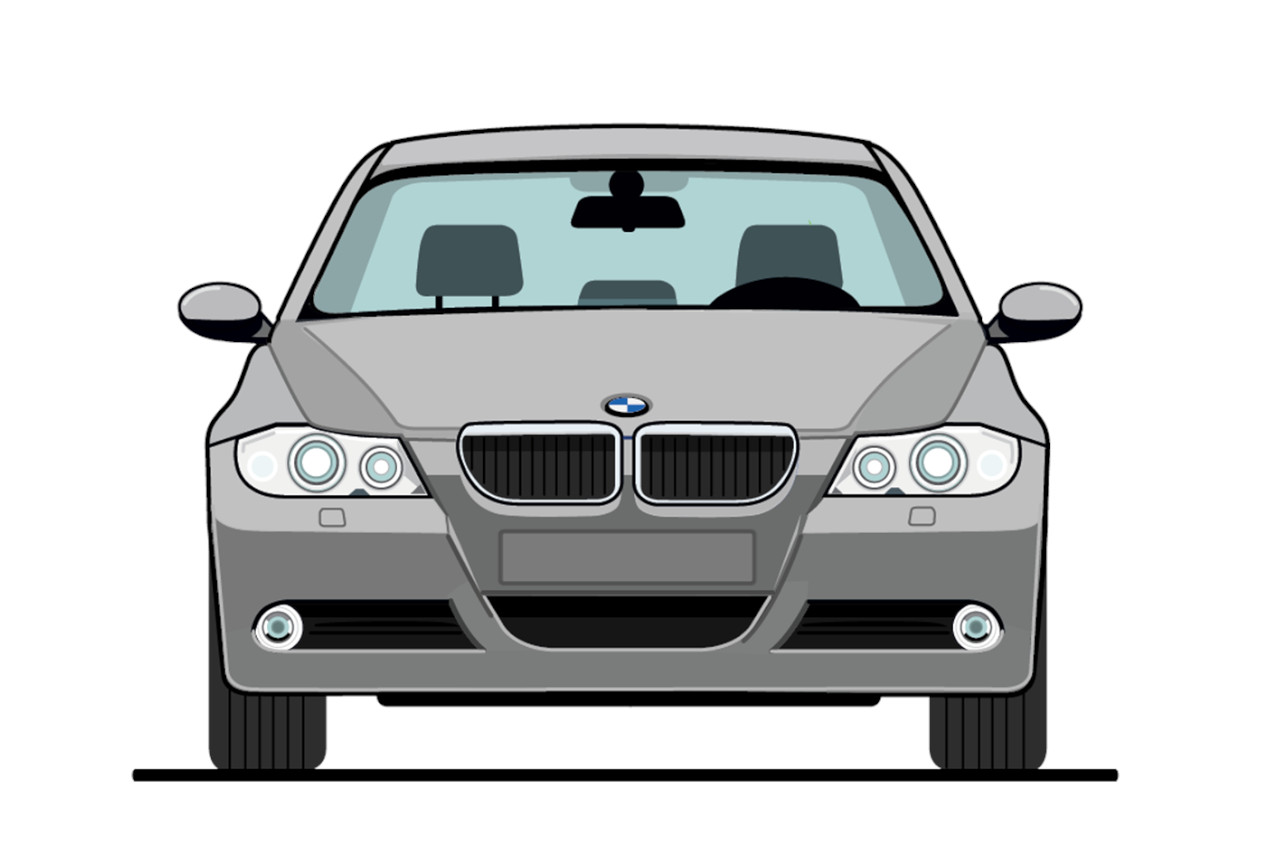
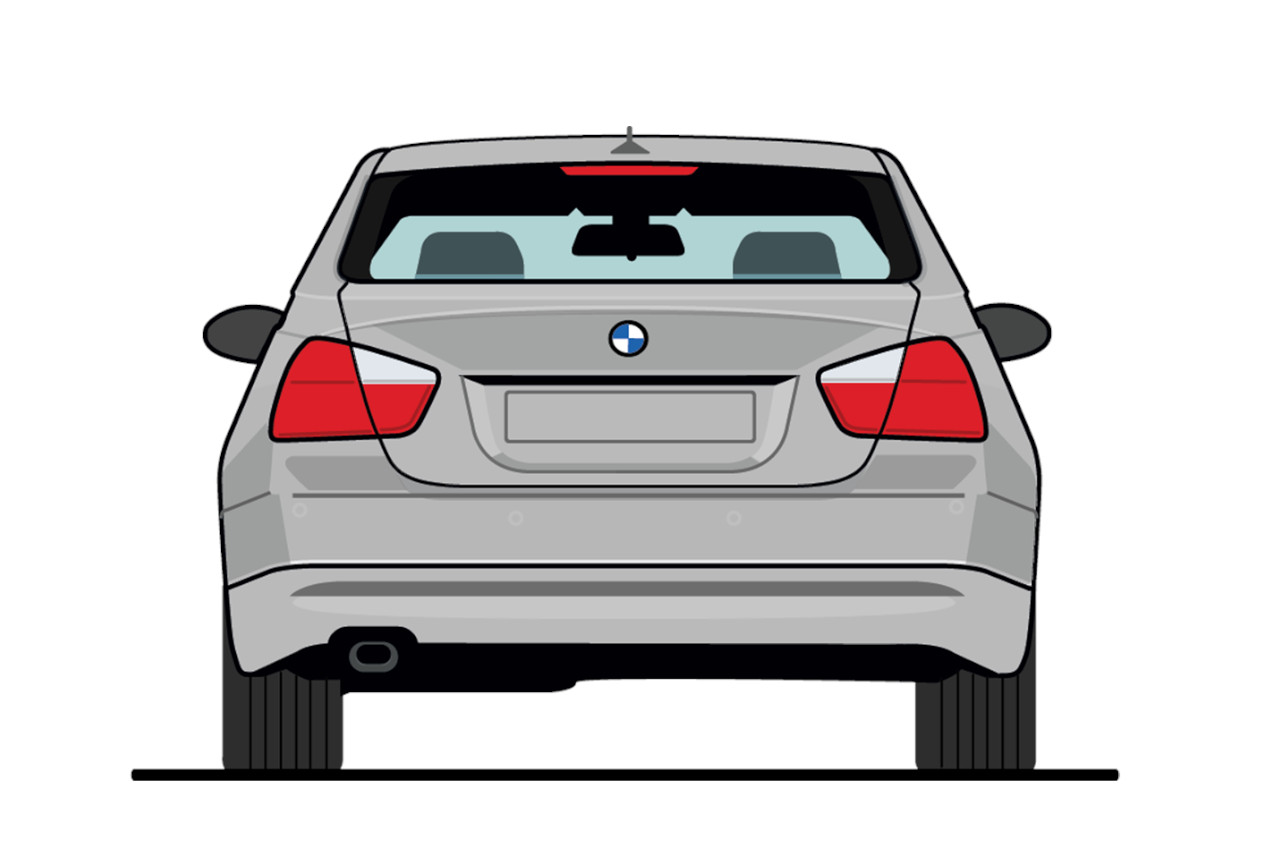
BMW 3 series 5th generation
BMW 3series 5th generation front
  • Built: 2005-2013
  • Power: 90-331 kW / 122-450 hp
  • Variants: Sedan, Coupé, Convertible, Touring, M3 (as Sedan, Coupé, and Convertible)

“Harry Potter and the Goblet of Fire” was the highest-grossing movie of 2005. The charts were dominated by 50 Cent, Mariah Carey, and Gwen Stefani. YouTube’s story of success begins.

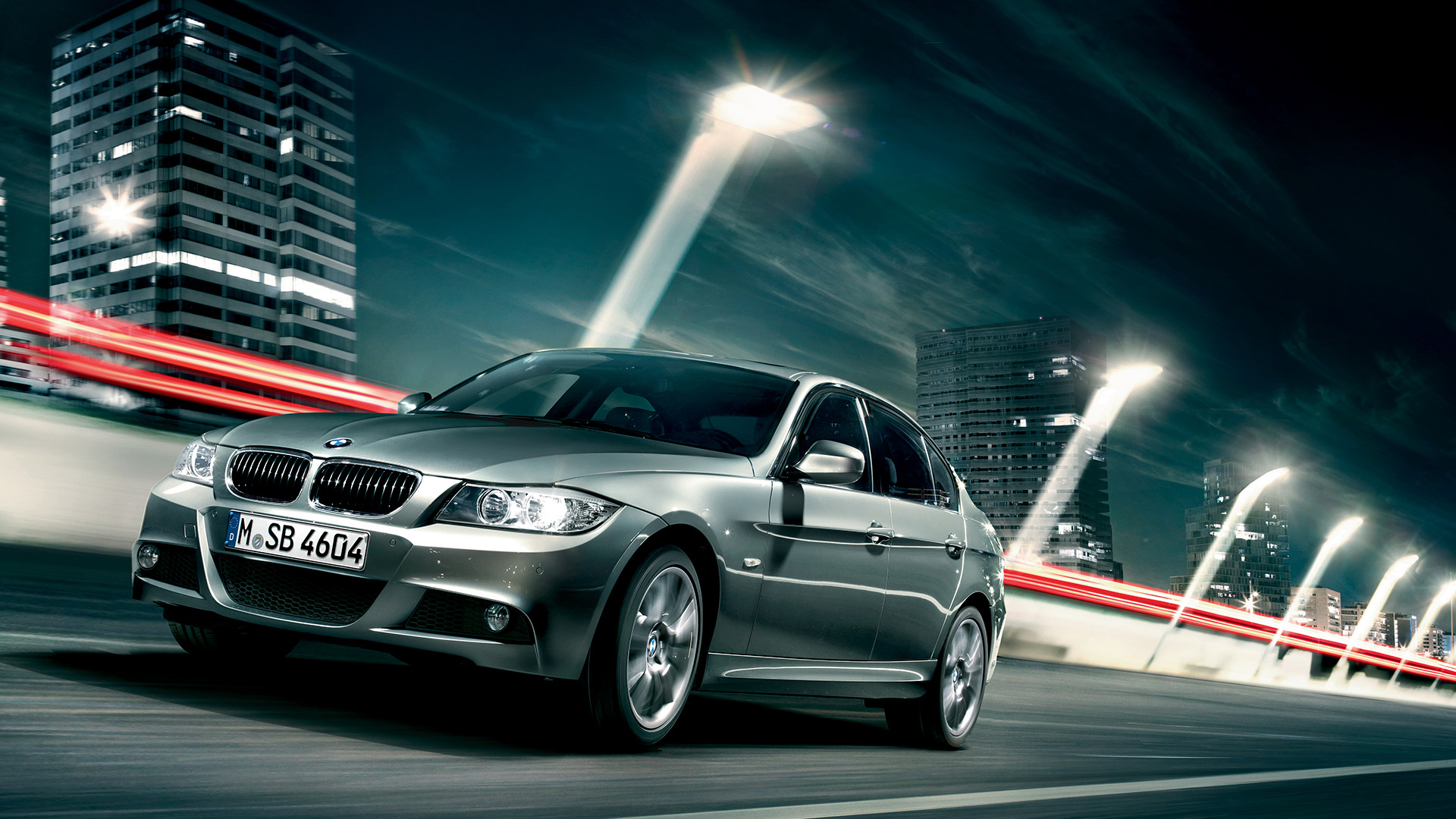
At the Geneva Motor Show in March 2005, BMW unveiled the fifth generation of the 3 Series– which just one year later was awarded the title of “World Car of the Year.”

The design of the fifth generation was also quick to evolve, as for the first time the variants followed their own paths. The Coupé and Convertible models, for example, now moved in quite different design directions. 

Back of a BMW 3 series 5th generstion

A Fusion like no Other.

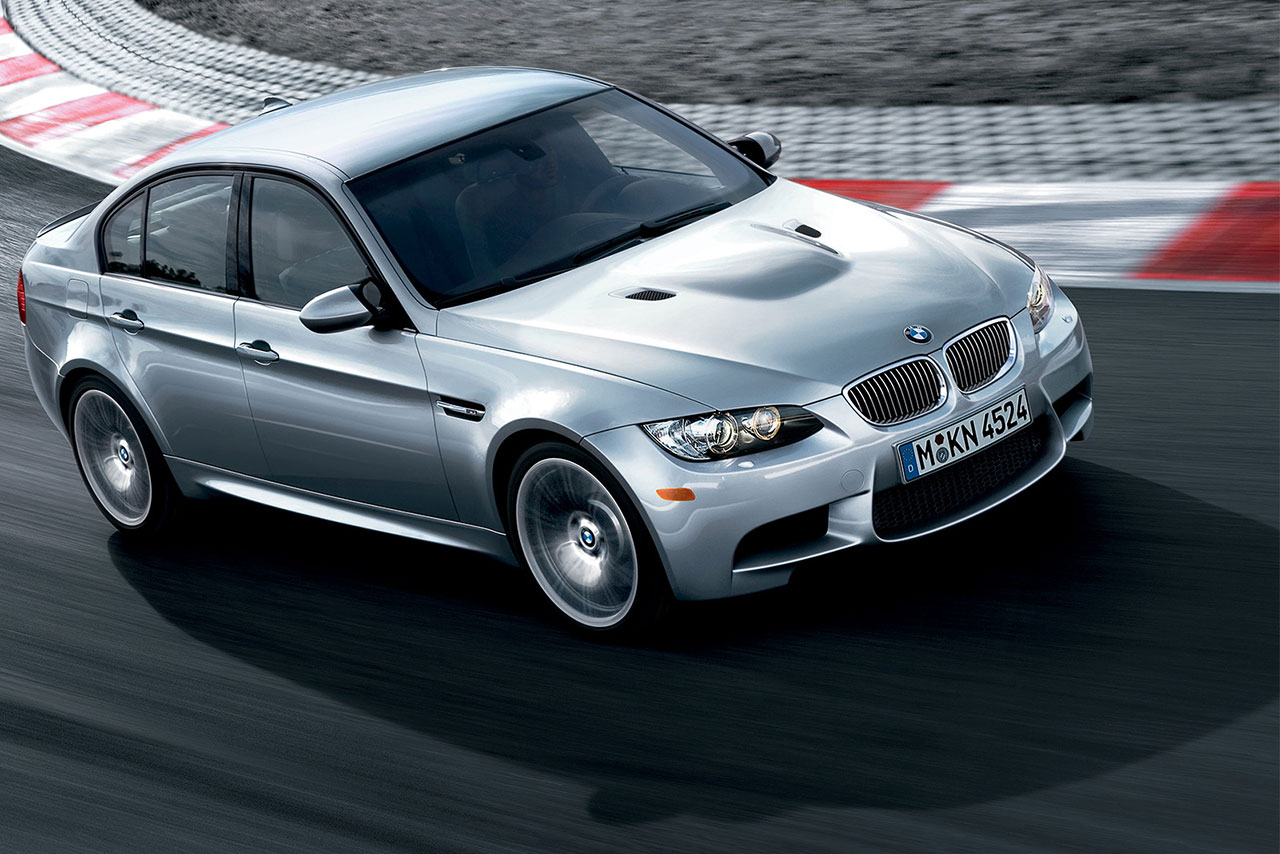
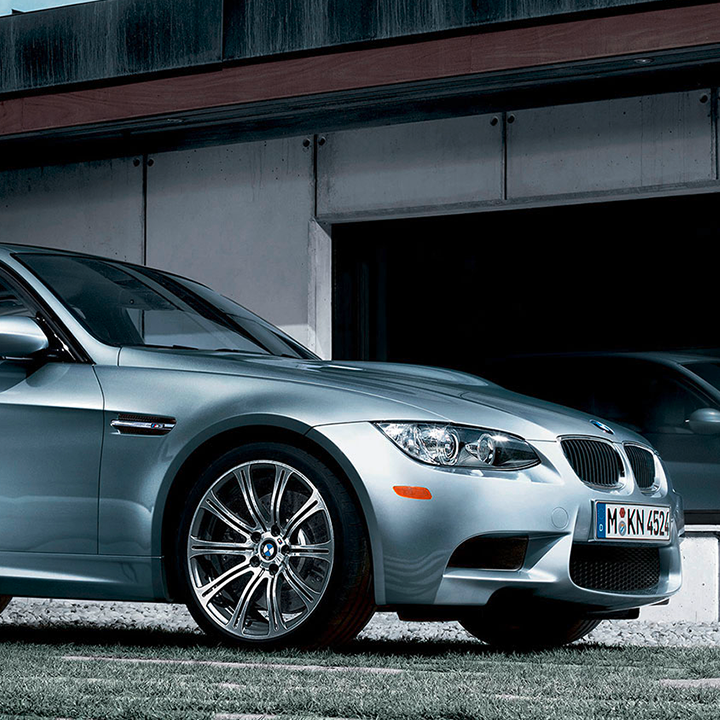
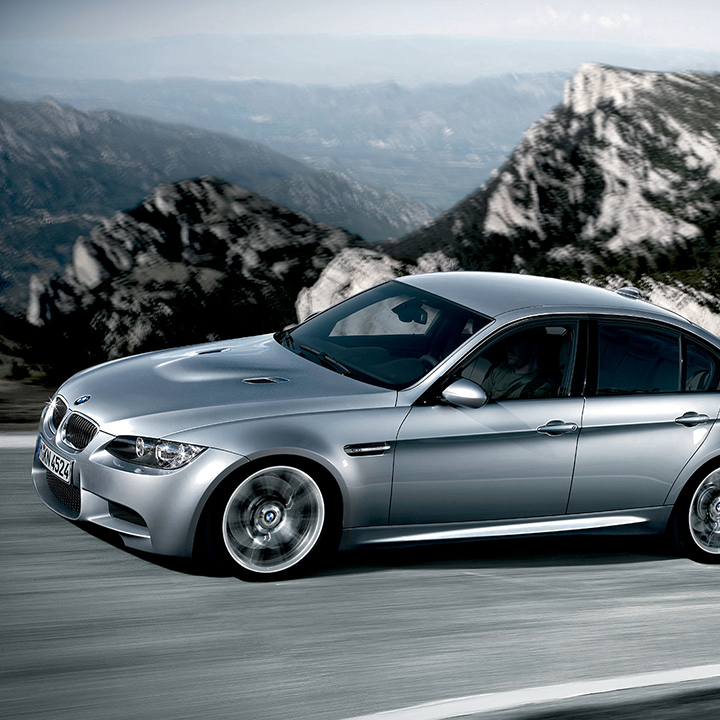
The BMW M3 Sedan grew out of a fusion between the two designs. The design involved an unprecedented combination of a front section based on the Coupé’s front end and a tail section derived from the Sedan.

The fifth-generation M3 was put through its paces both on the racetrack and at the BMW M GmbH factory – even in a pickup version! The M3 pickup was not the first of its kind, however, as a second-generation BMW M3 pickup truck was used for moving supplies around the factory site for some 26 years.

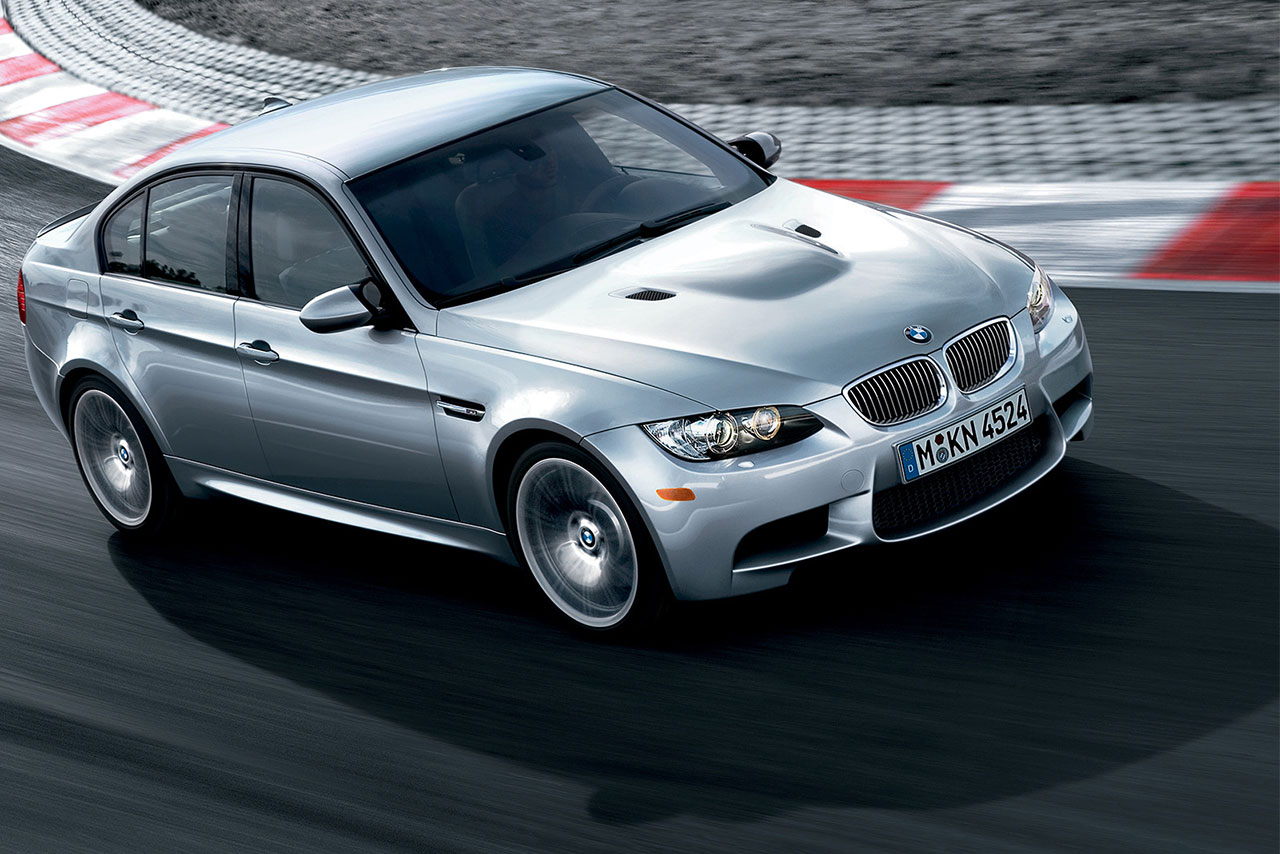
BMW 3 series 5th generation on the racetrack
BMW 3 series 5th generation on a track
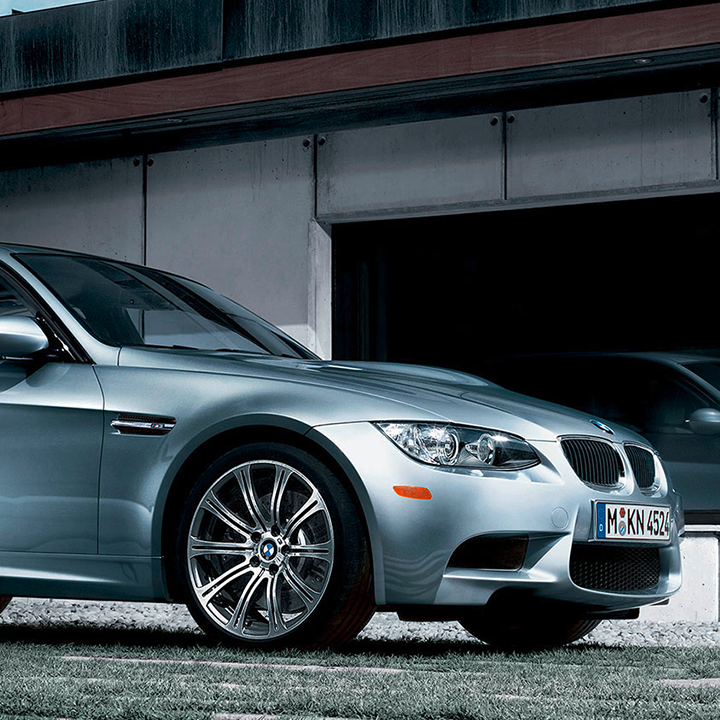
5th generation BMW 3series front
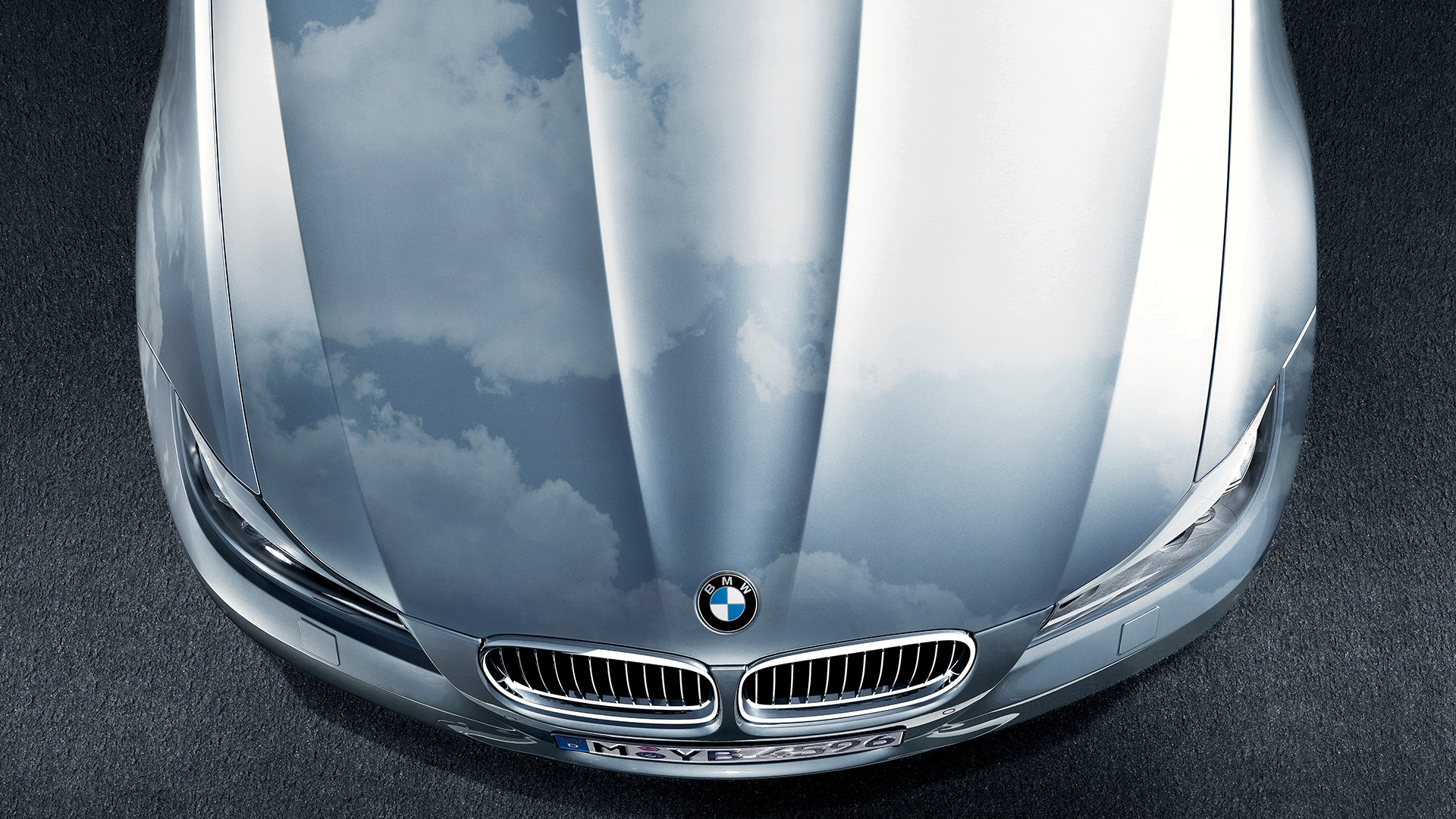
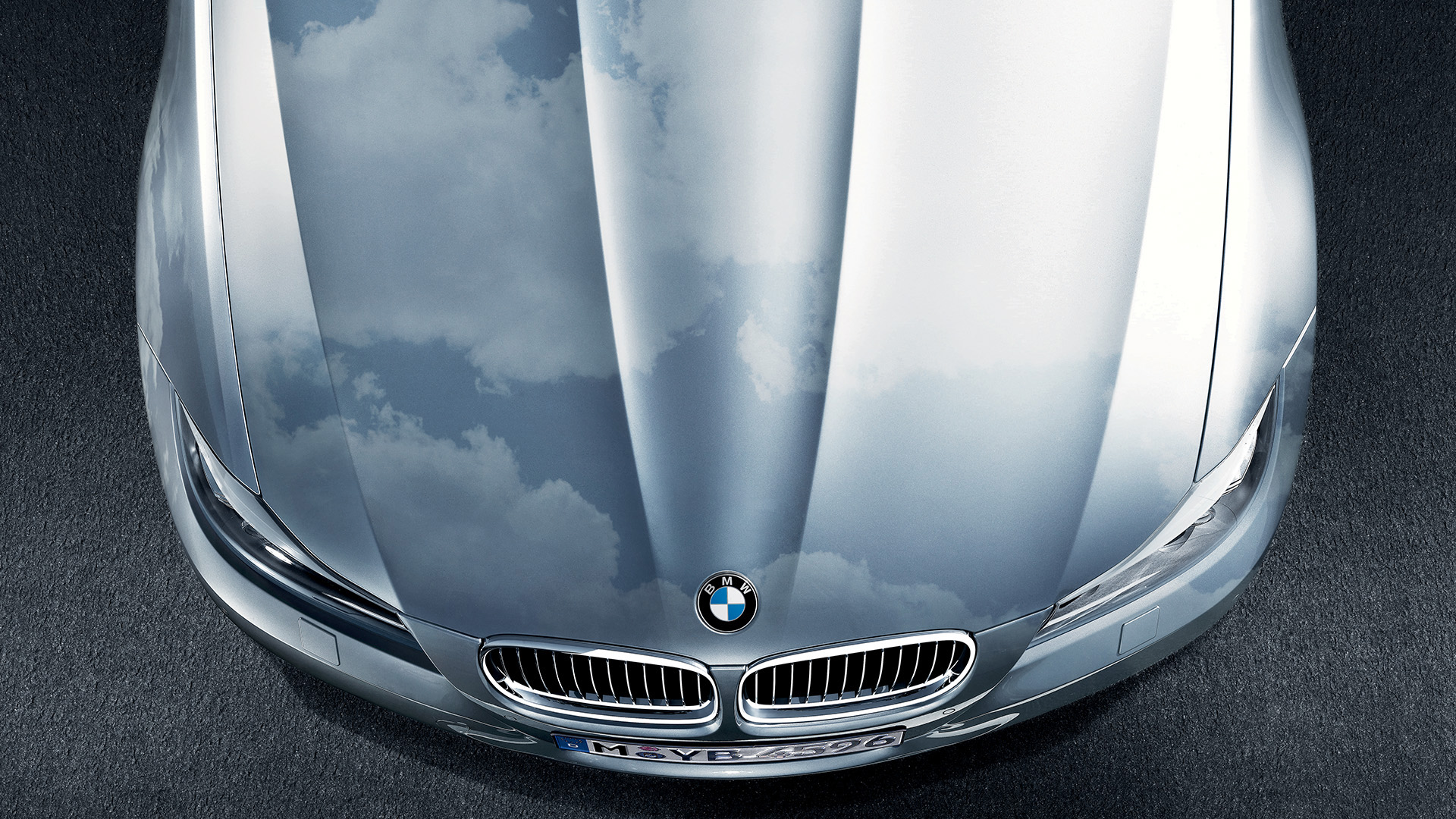
The Hood of the BMW 3 series (5th generation)
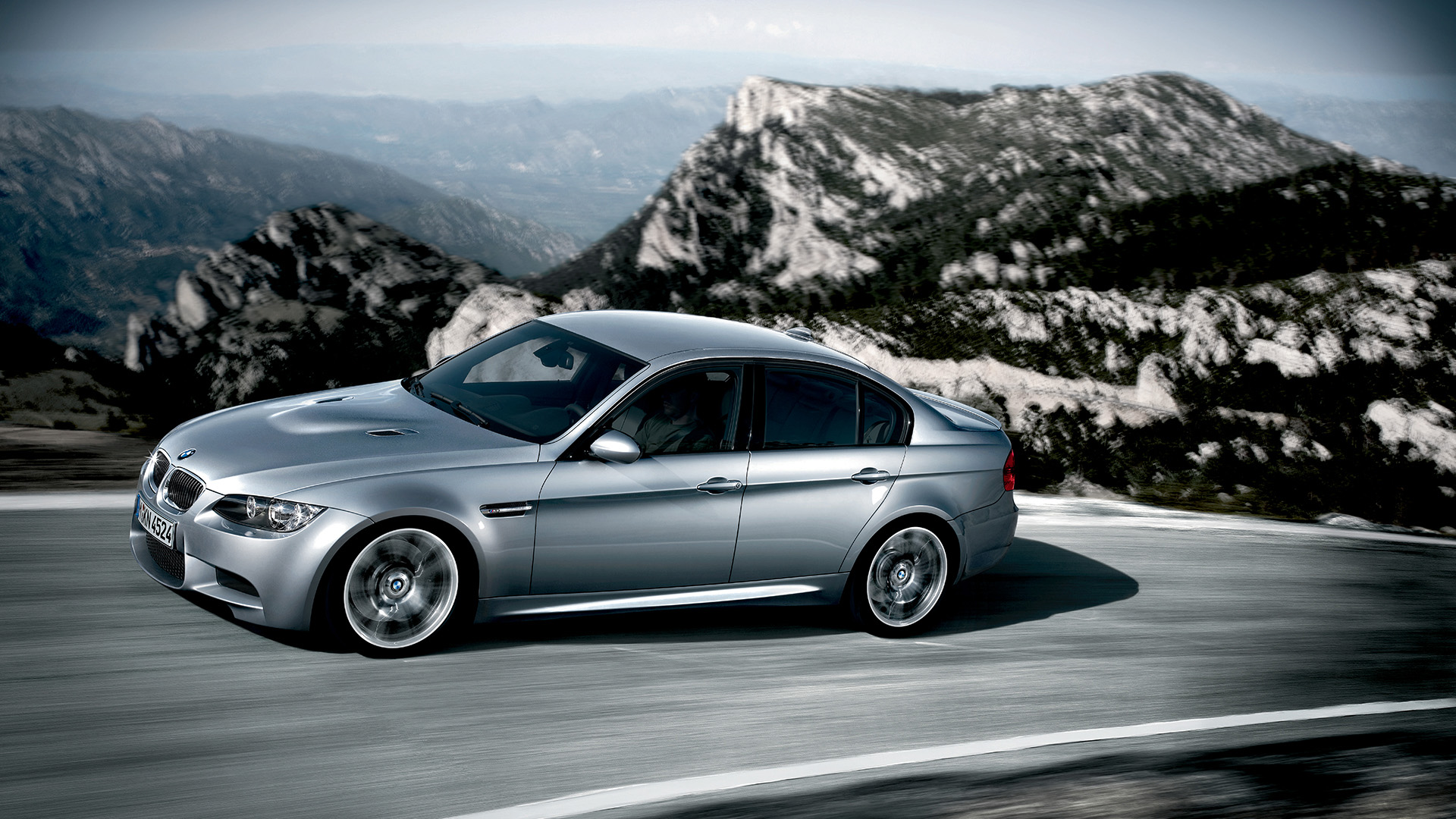
BMW 3 series 5th generation on a scenic road
BMW 3series 5th generation front
BMW 3 series 5th generation on the racetrack
The Hood of the BMW 3 series (5th generation)
BMW 3 series 5th generation on a track
BMW 3 series 5th generation on a scenic road

6th generation.

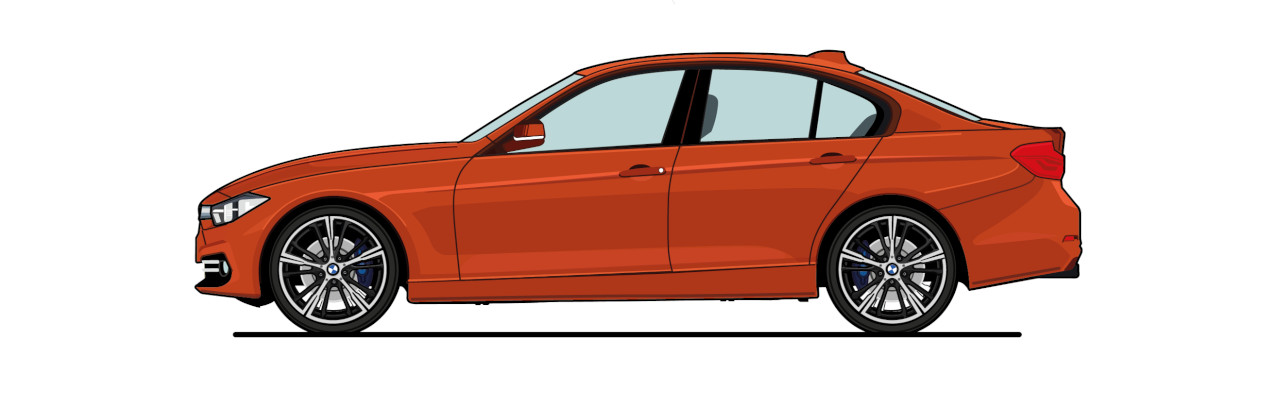
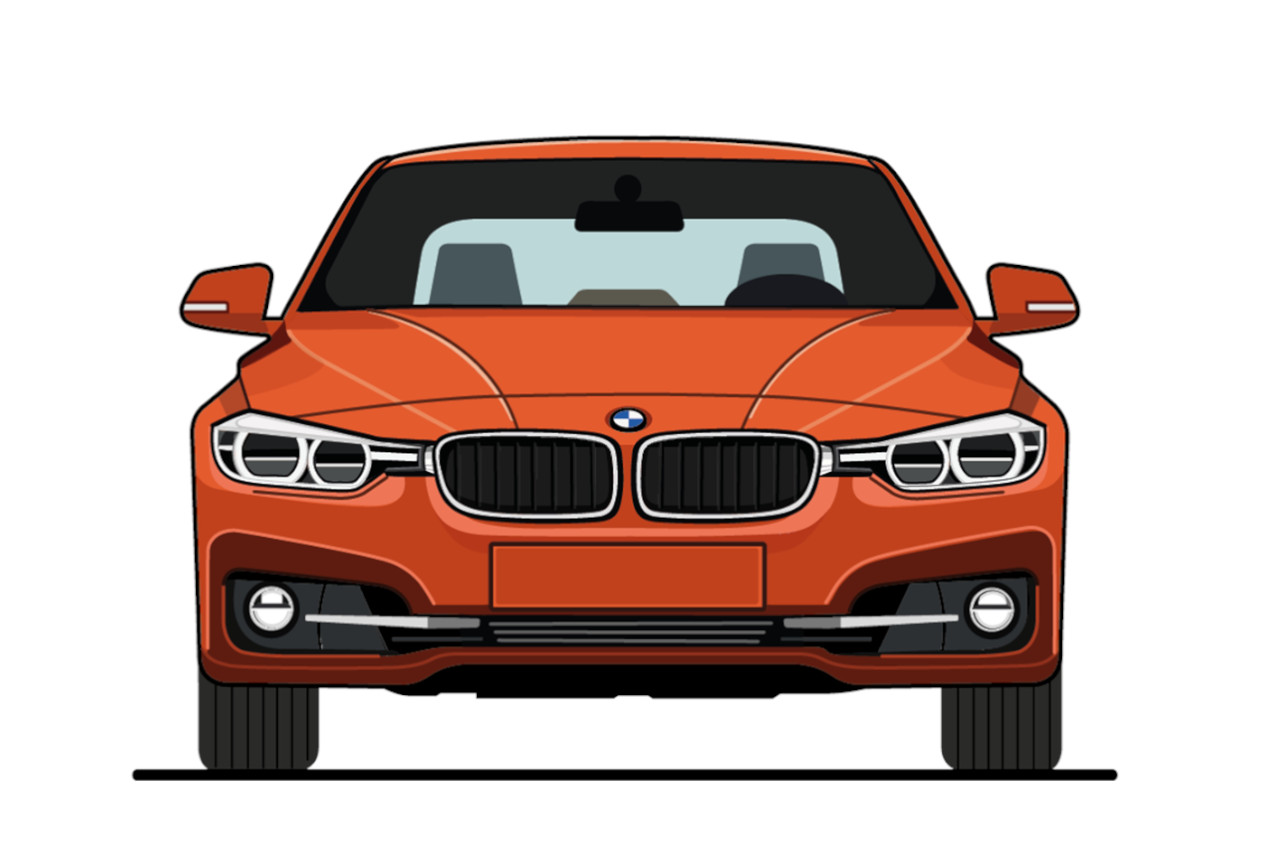
Illustration of the Side of the 6th generation BMW 3series in orange
Illustration of the front of the 6th generation 3 Series
  • Built: 2011-2018
  • Power: 85-338 kW / 116-460 hp
  • Variants: Sedan, Touring, Gran Turismo, M3

“Game of Thrones” began its march of triumph on screens around the world, singer Adele won six Grammy Awards and director Michel Hazanavicius created a beautiful homage to the silent movie era with his film “The Artist”.

Meanwhile, the BMW 3 Series went electric! For the first time, the range of engines included hybrid options (the ActiveHybrid 3, followed by the 330e iPerformance). All of the engines were also turbocharged.

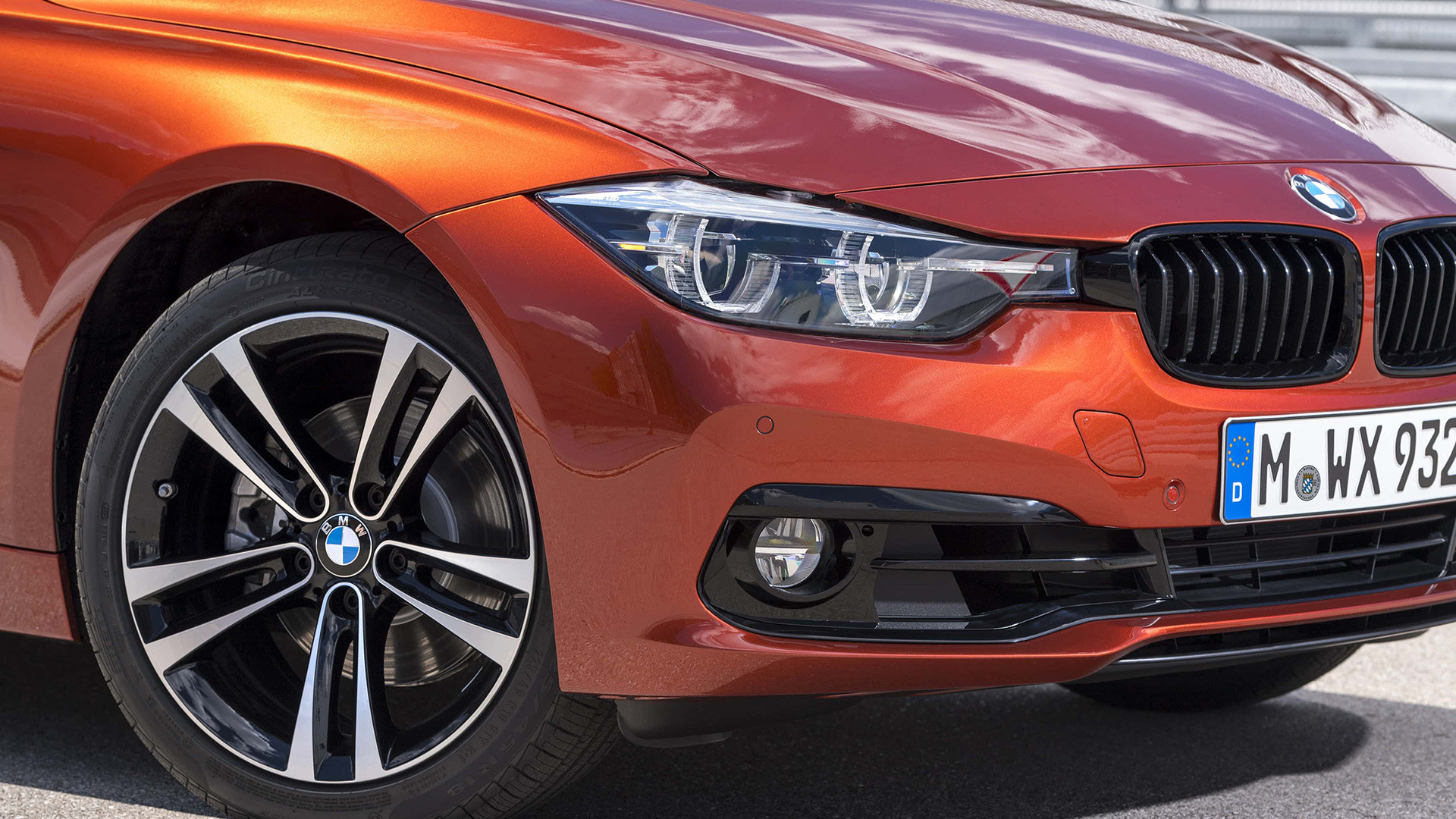
The design was an evolution of its predecessor, being more strongly aligned with that of the larger BMW 5 Series. One striking detail was that the headlamps now connecting to the kidney grille.

At the same time, the sixth generation had also evolved in terms of its size, with the launch of a longer Gran Turismo version. The new variant added a coupé roof profile to the sedan and featured a longer wheelbase. The benefit, especially for passengers in the rear, was greater leg and headroom.

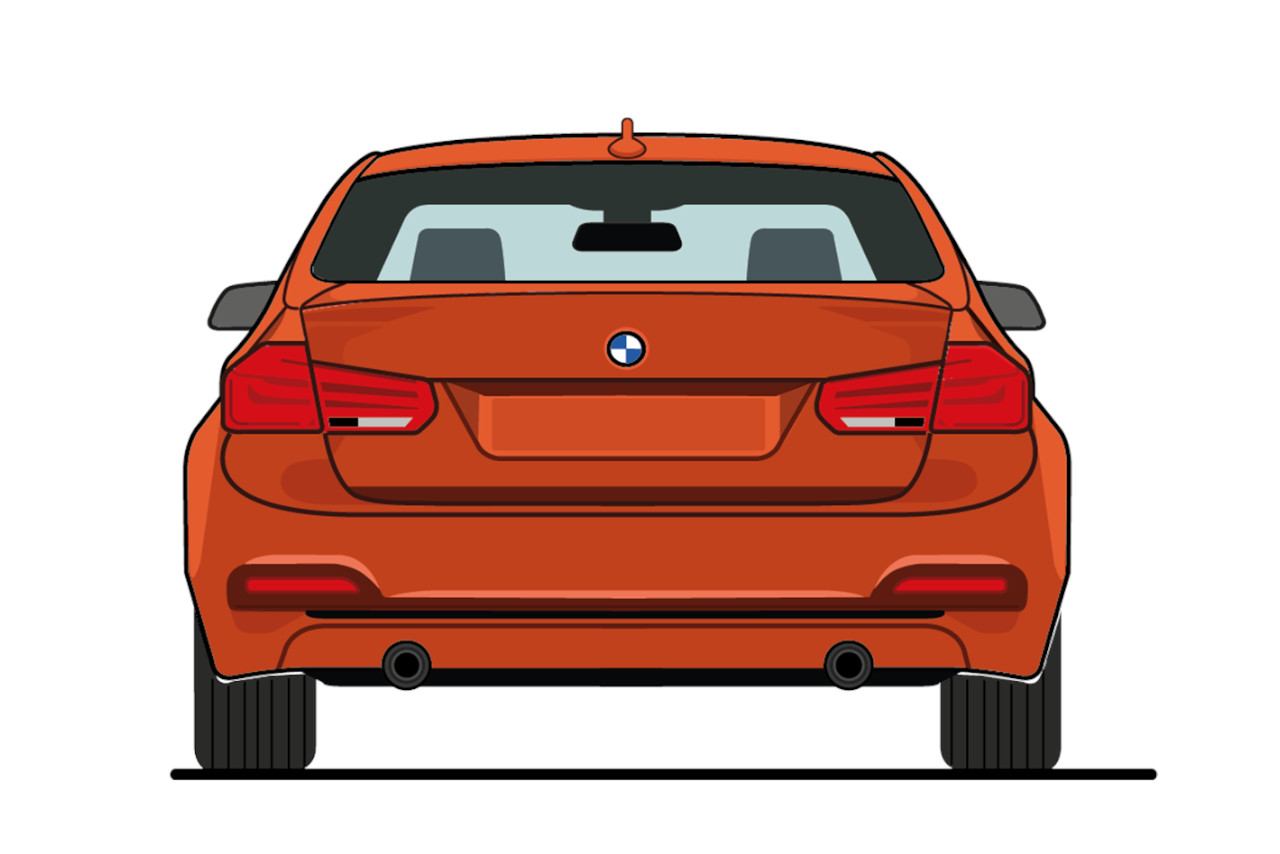
Illustration of the Back of the 6th generation 3 Series

Increased Personalization.
Individual styling was given greater emphasis. In line with the spirit of the times, customers were free to customize the equipment spec, choosing from a wider range of materials, colors, and fabrics. There were now three other trim levels available beside the familiar M sports package: the Modern line, Sports line, and Luxury line.
Two of the 3 Series Models Renamed as 4 Series.

Spinning off the coupé and convertible models to create a new series was something that had already been a topic of discussion 20 years ago, at the time of the third-generation BMW 3 Series. With the sixth generation it became reality. While the Sedan, Touring, and Gran Turismo remained under the BMW 3 Series label, the Convertible, Coupé, and the new Gran Coupé formed their own family: the BMW 4 Series.

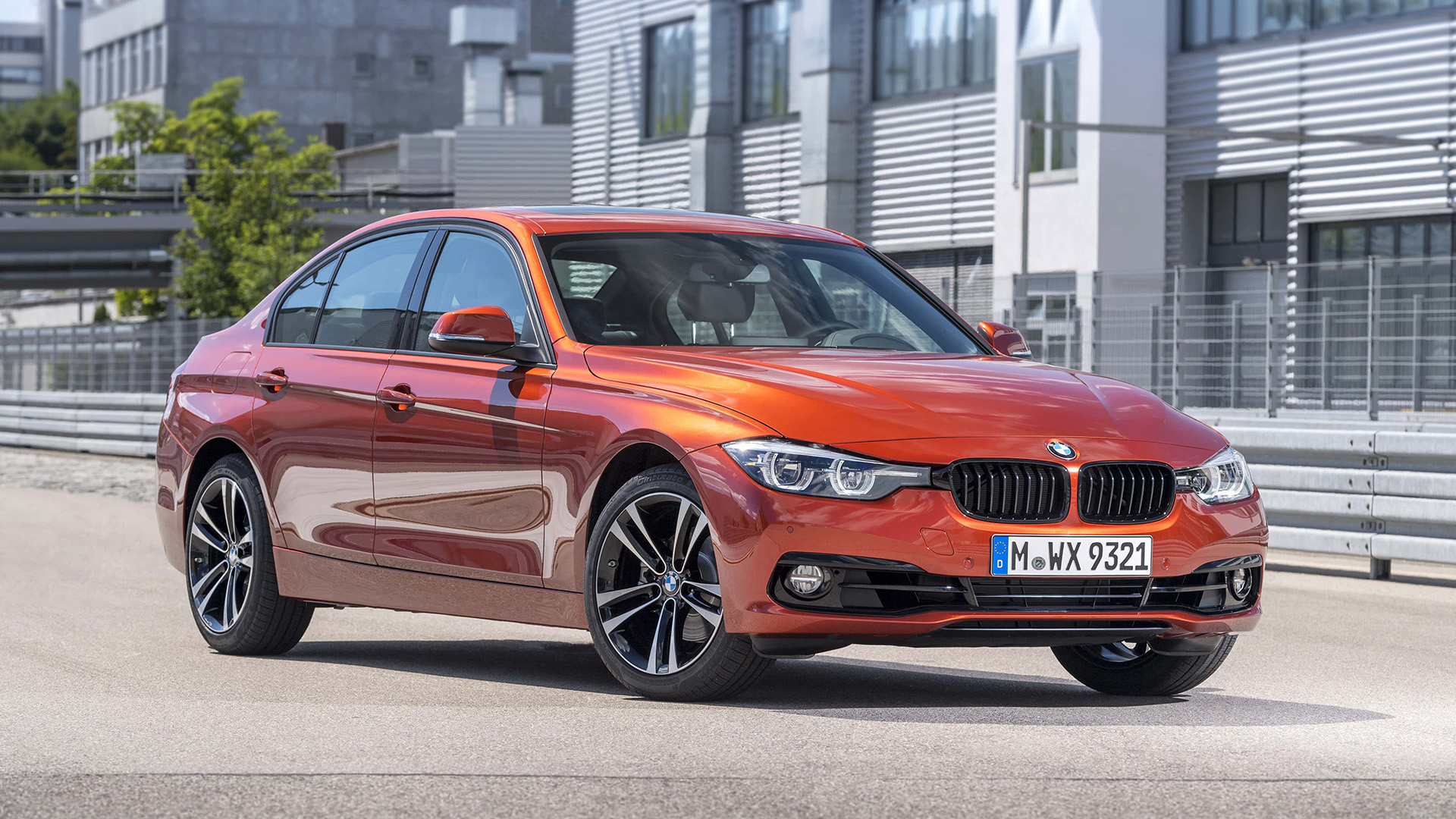
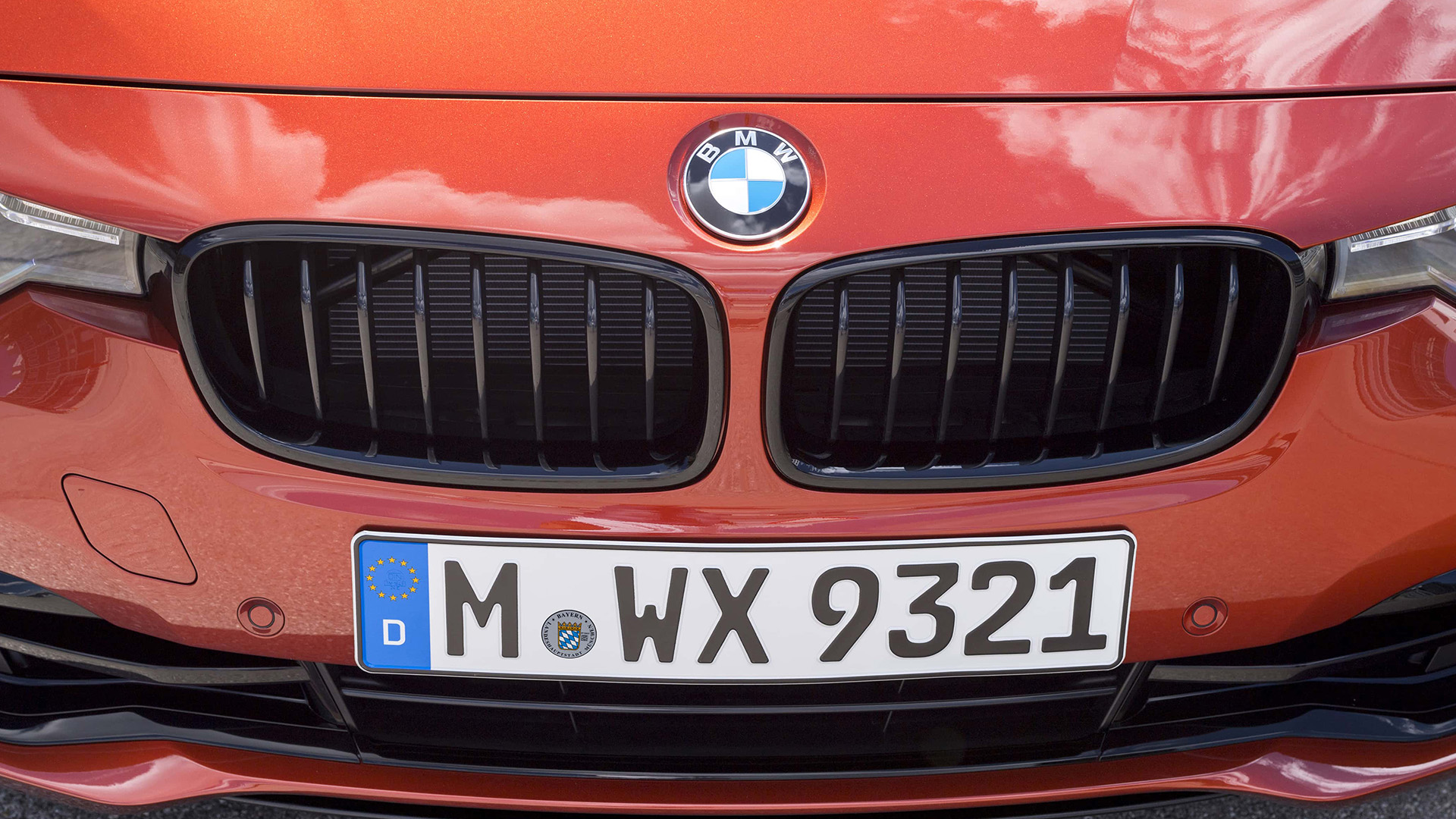
Front of a orange BMW 3 series of the 6th generation
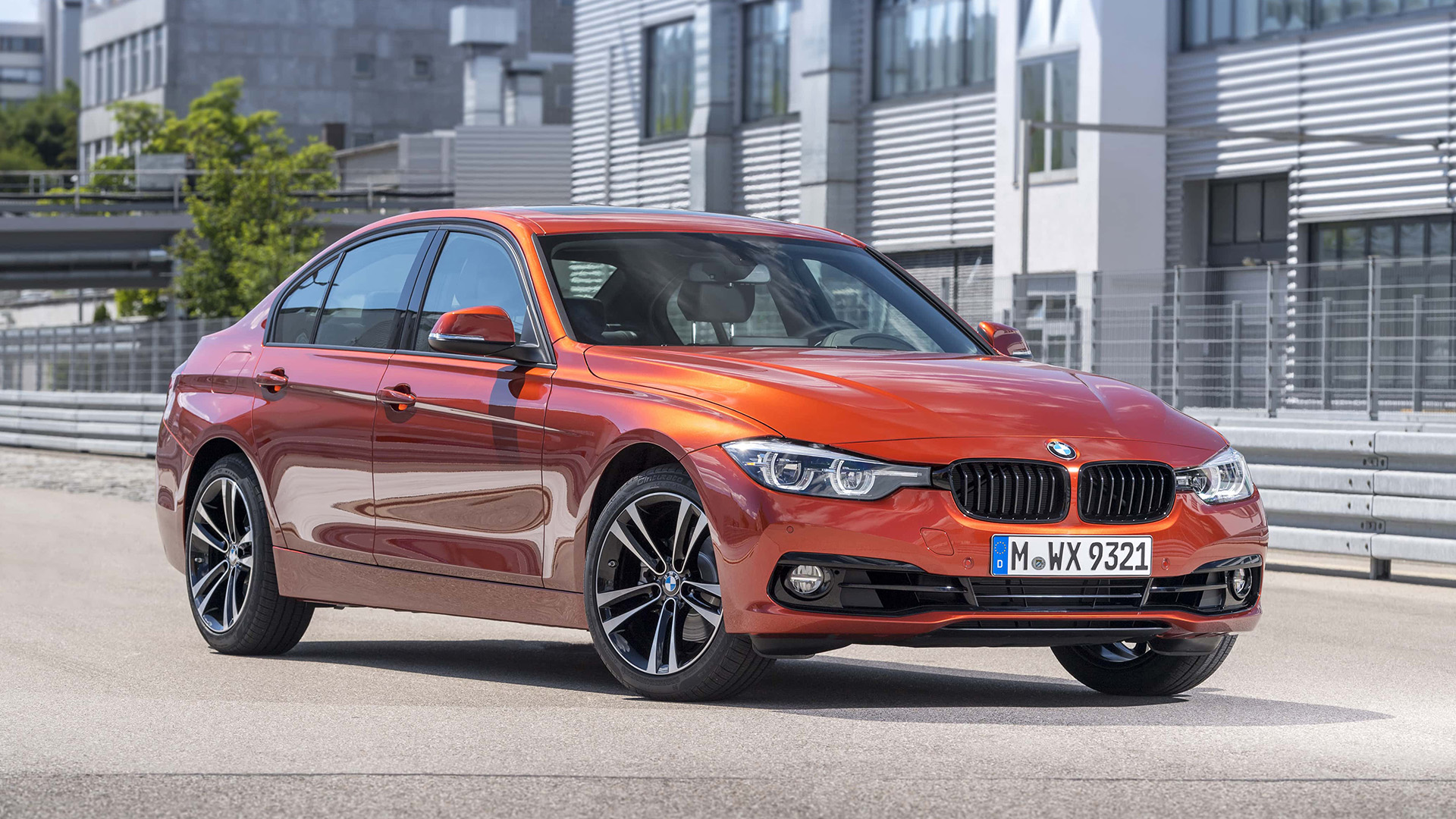
Front of a orange 6th generation BMW 3 series
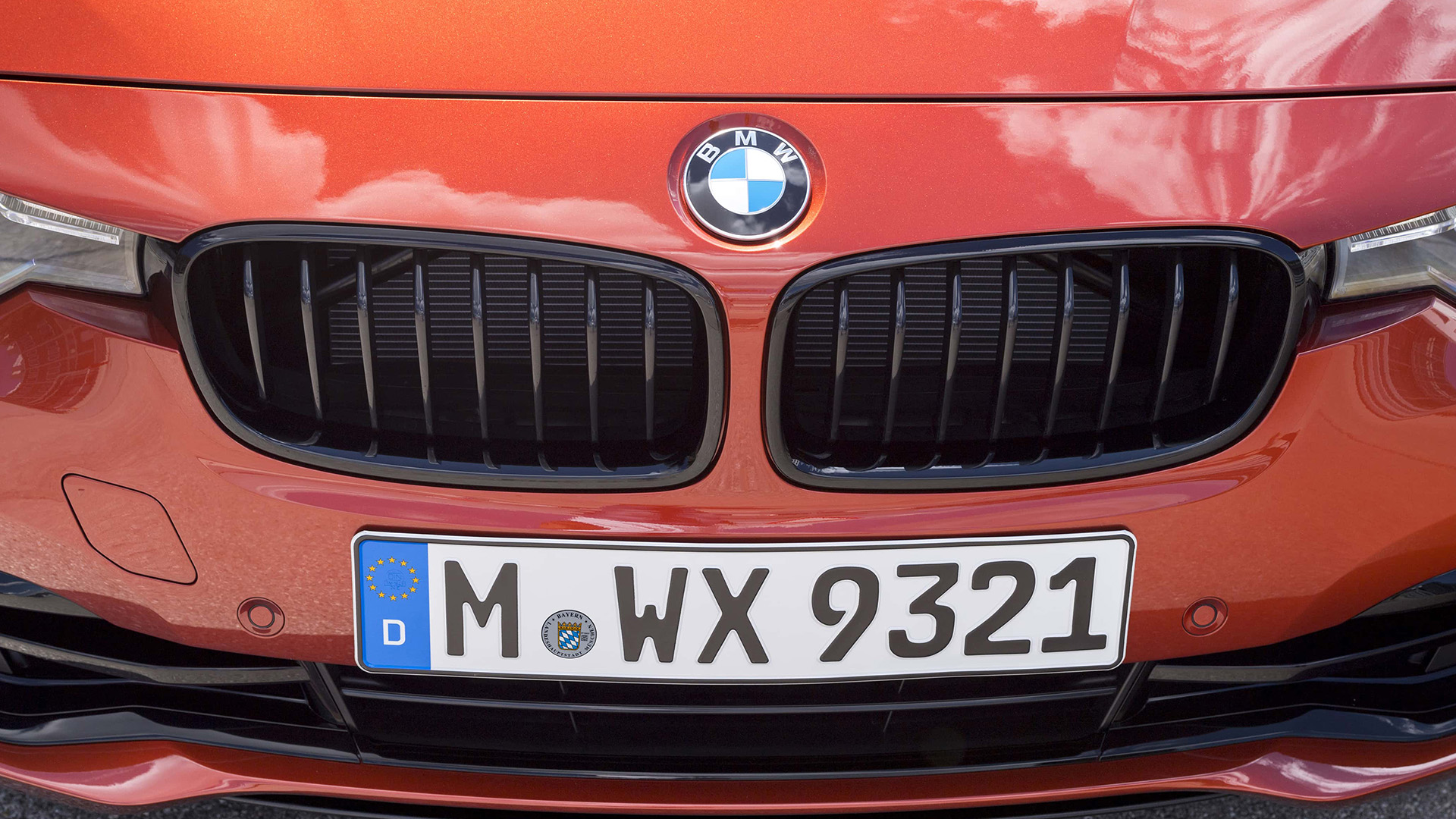
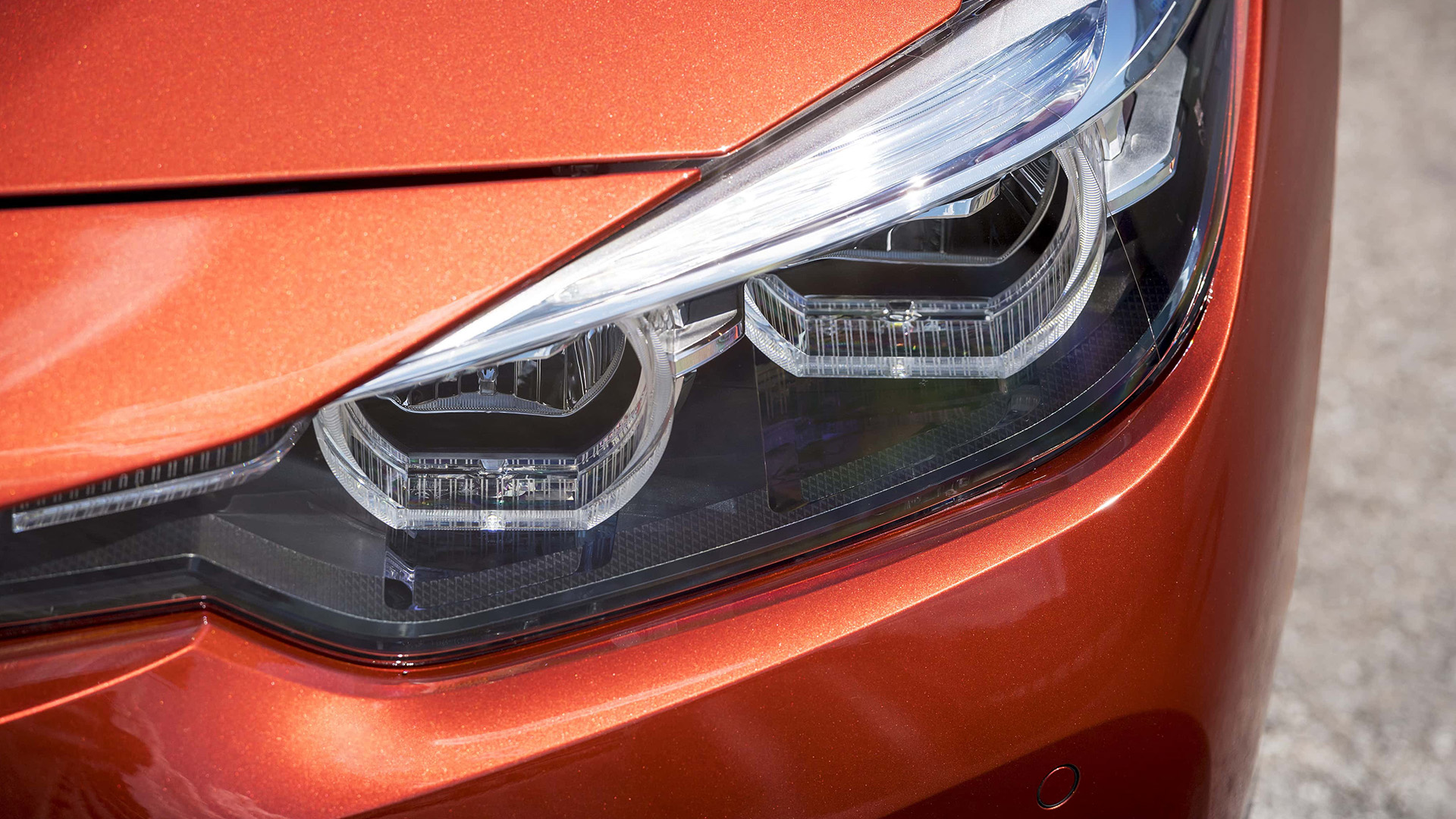
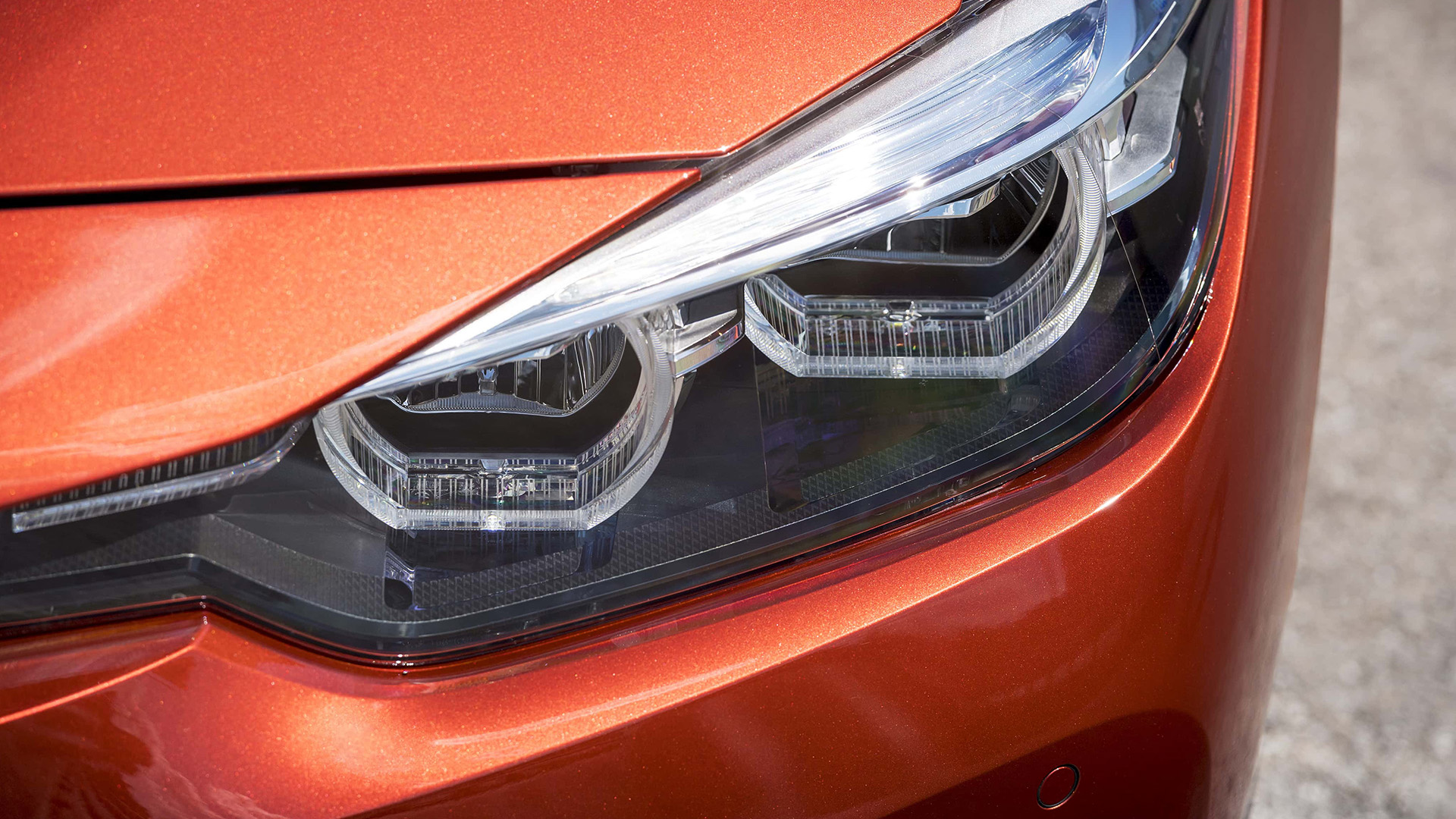
Headlight of a 6th generation BMW 3 series
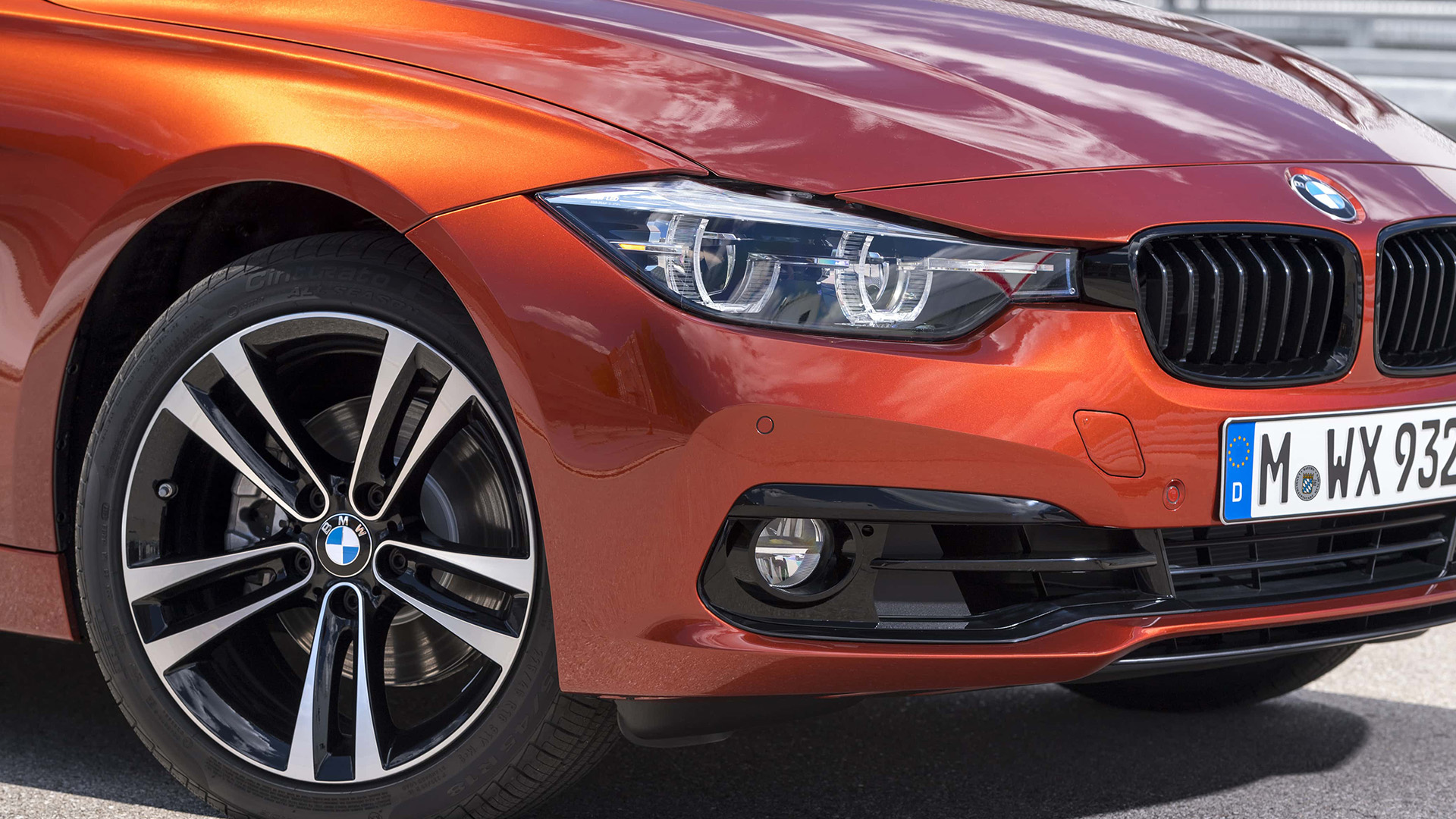
Front and wheel of the 6th generation BMW 3 series
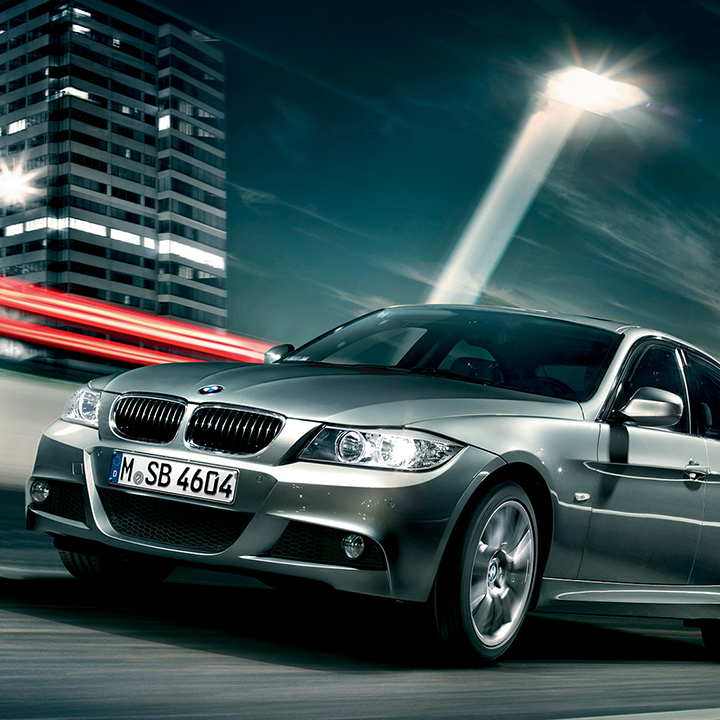
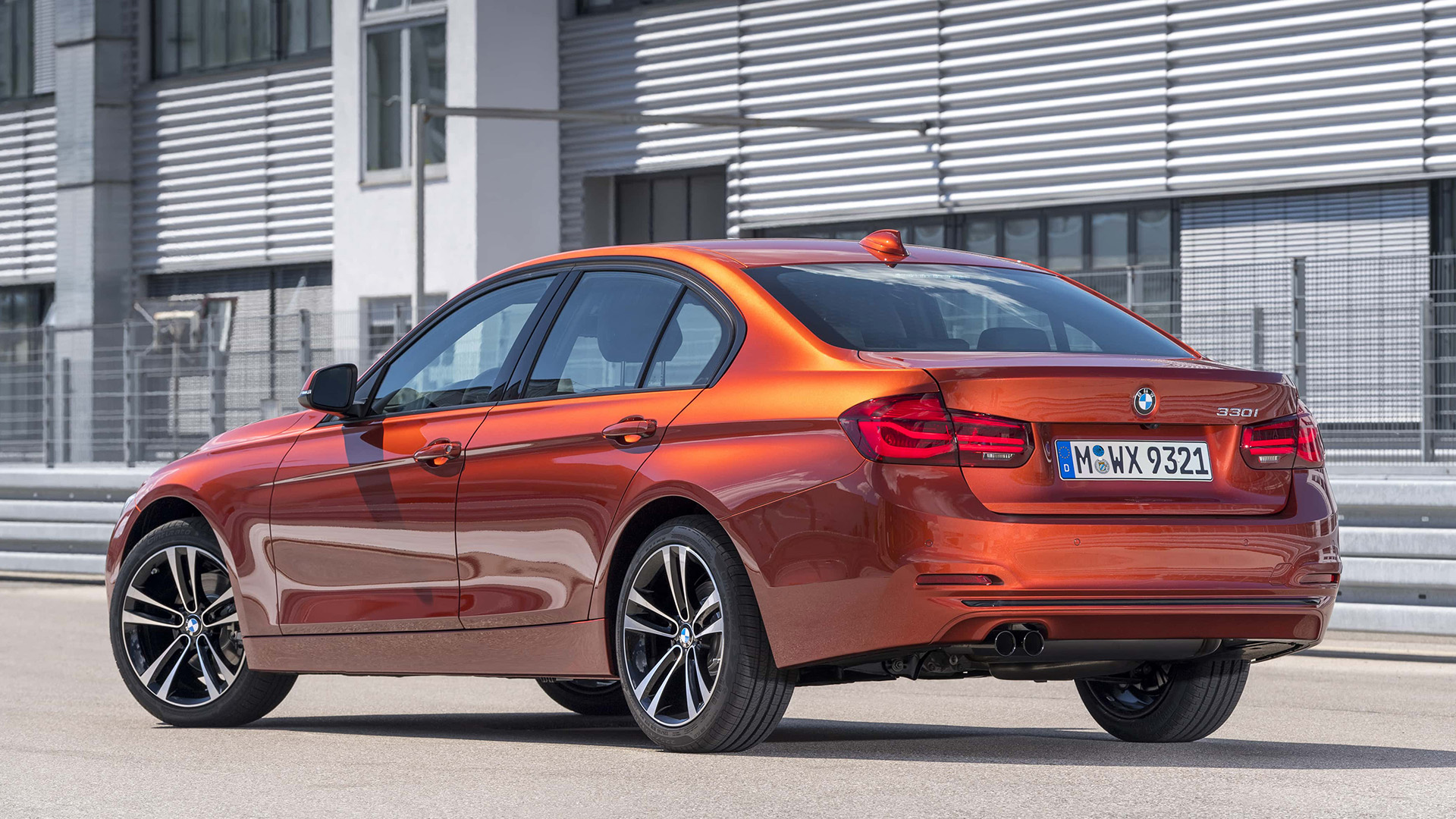
Back view of the BMW 3 series F30
The 6th generation of the BMW 3 series from the back
Front of a orange 6th generation BMW series
Front and wheel of the 6th generation BMW 3 series
Front view of the BMW 3 series F30
Headlight of the BMW 3 series F30

7th generation.

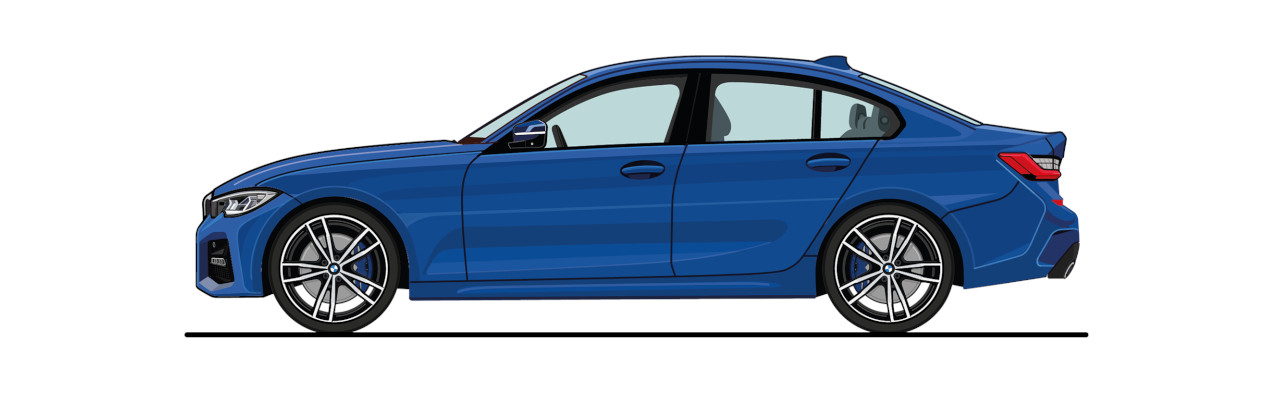
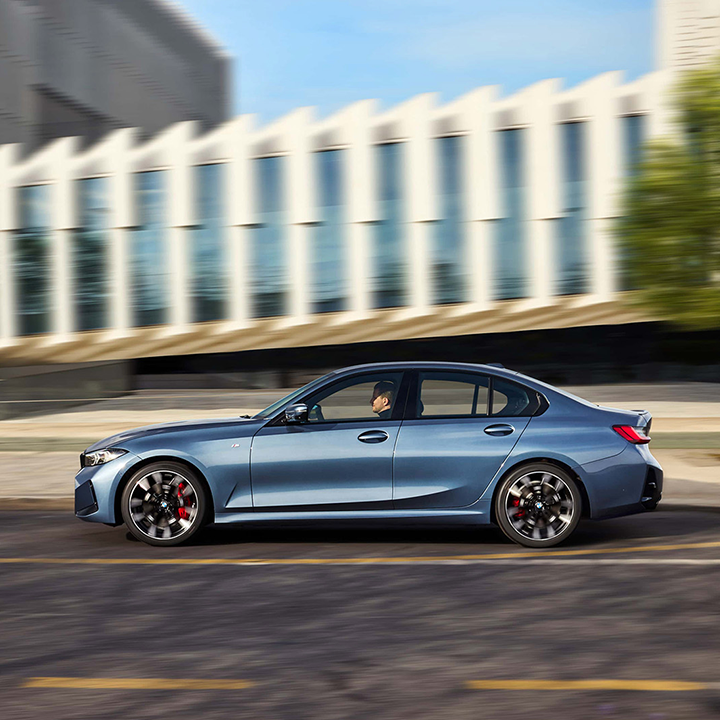
Illustrated Side view of a blue BMW 3 series
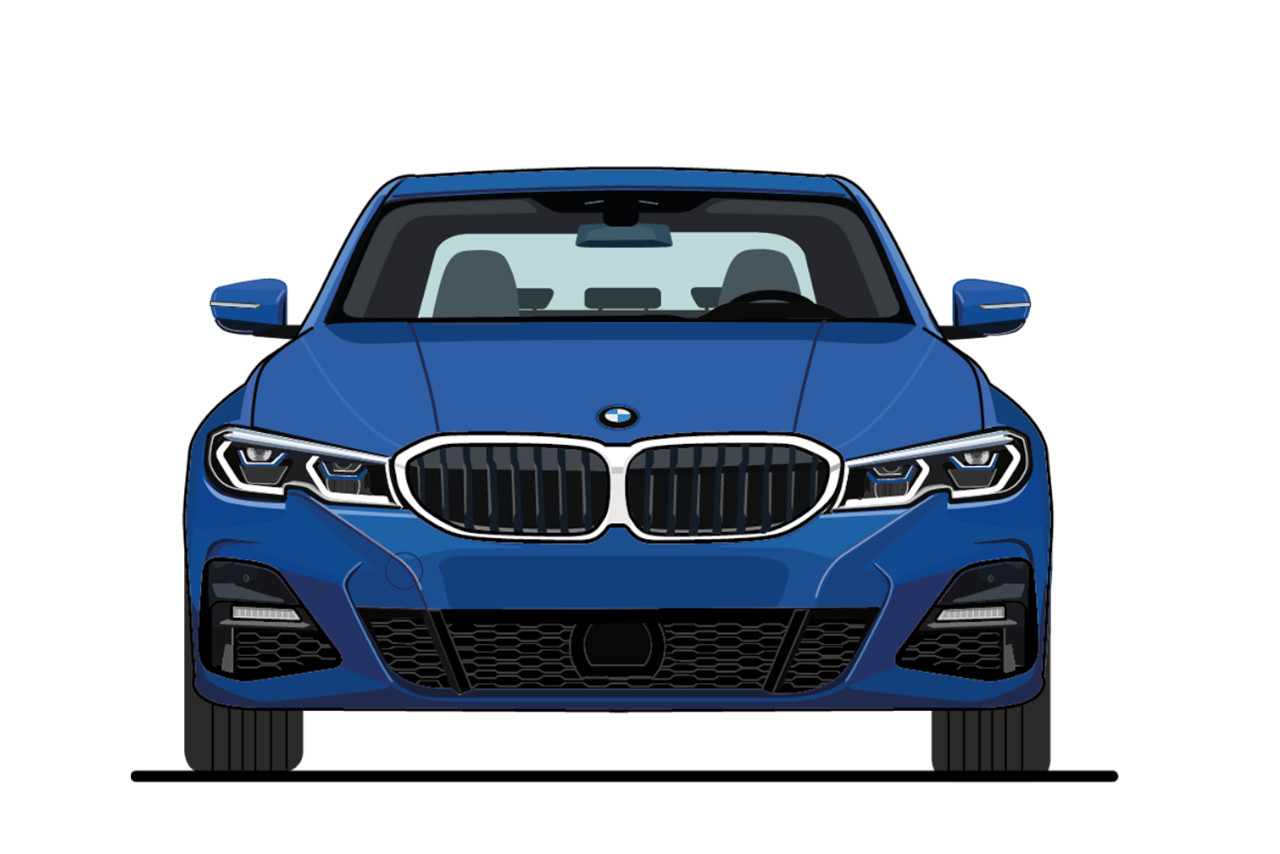
Illustrated front view of a 7th generation BMW 3 series
  • Built: 2018 onwards
  • Power: 110–405 kW / 150–550 hp
  • Variants: Sedan, Touring, M3 (as Sedan and Touring)

2018: Voice assistants have enabled hands-free calls, streaming services have revolutionised entertainment, and 5G has accelerated connectivity. 

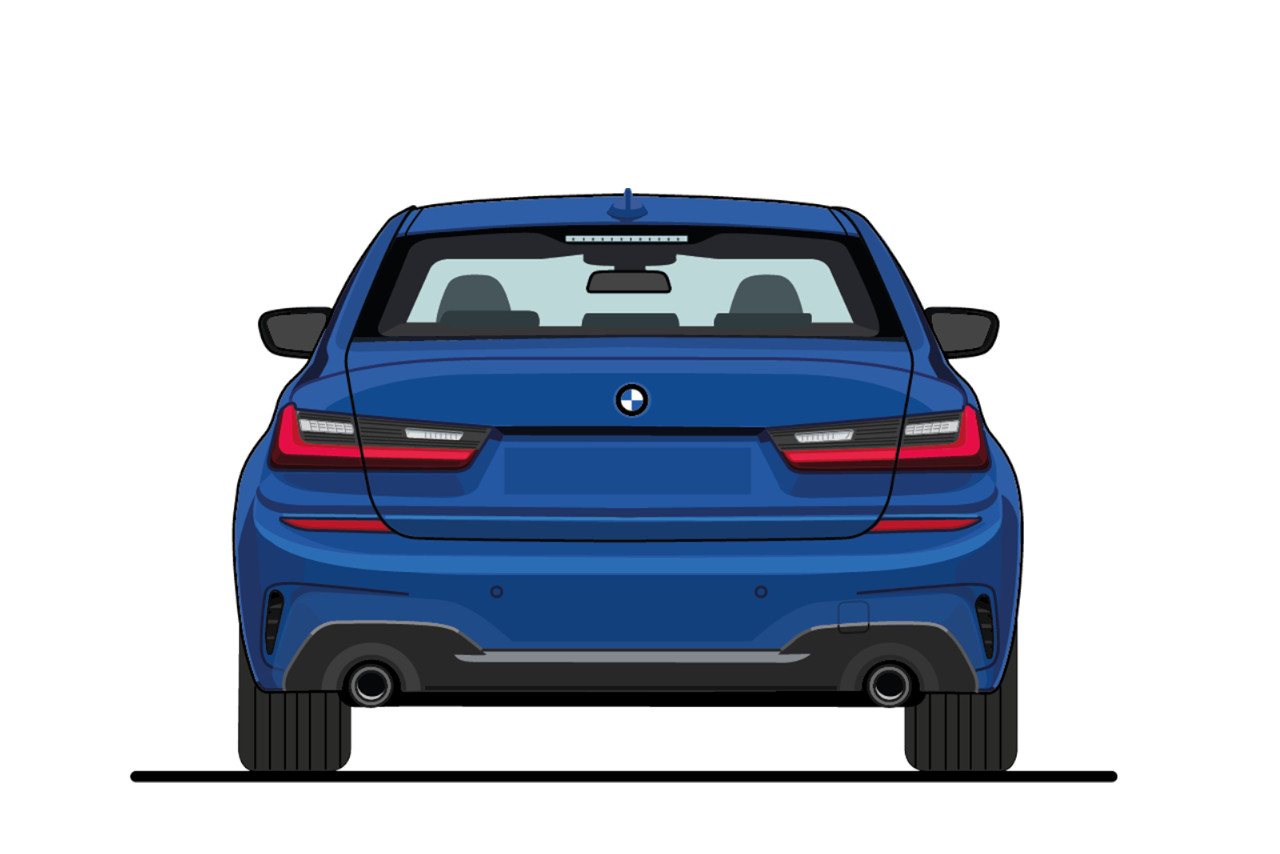
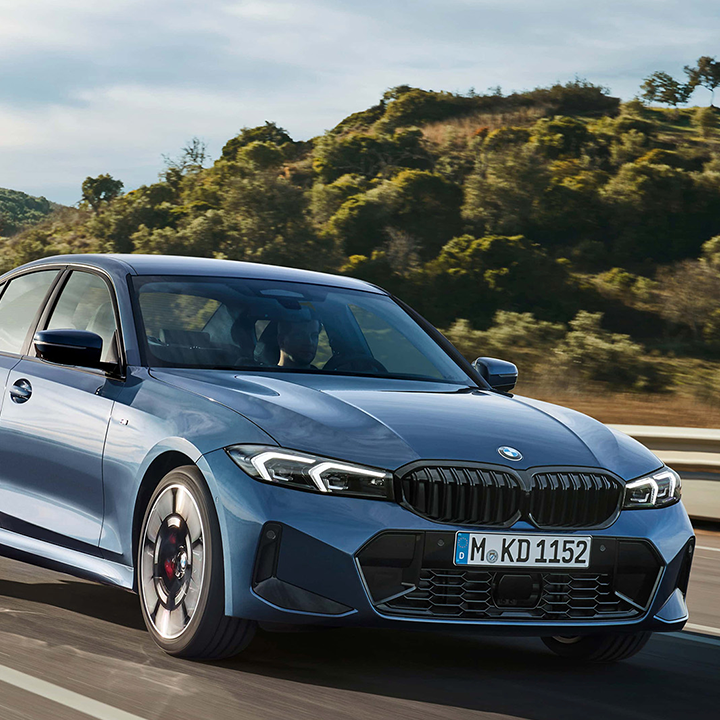
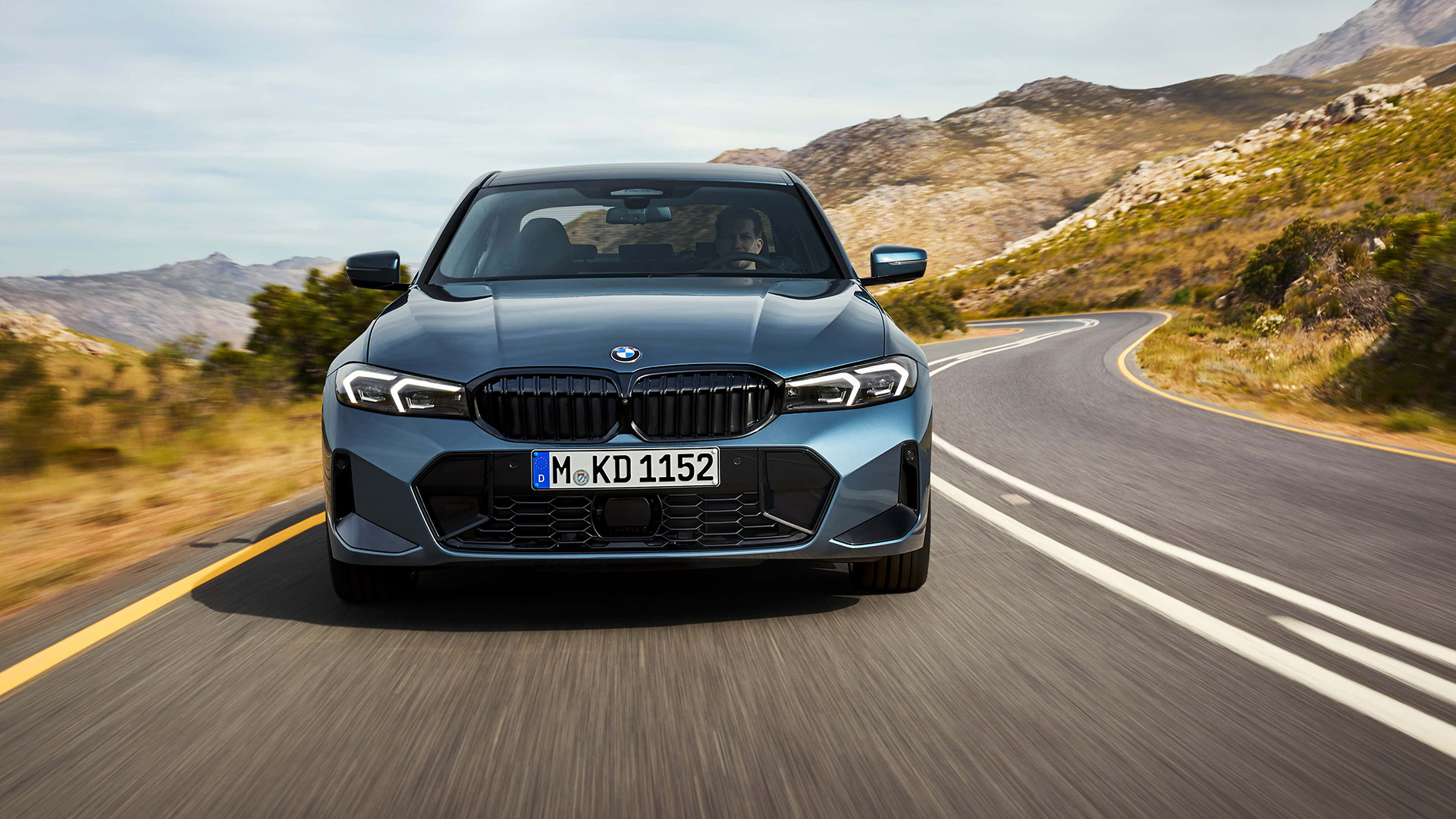
The seventh-generation BMW 3 Series embodies this progress with major updates to design, performance, and digital features in the 2022 model year. The design legacy of its predecessors continues with signature elements such as the short overhangs, distinctive twin headlights, and a precise beading line that unmistakably define the 3 Series.

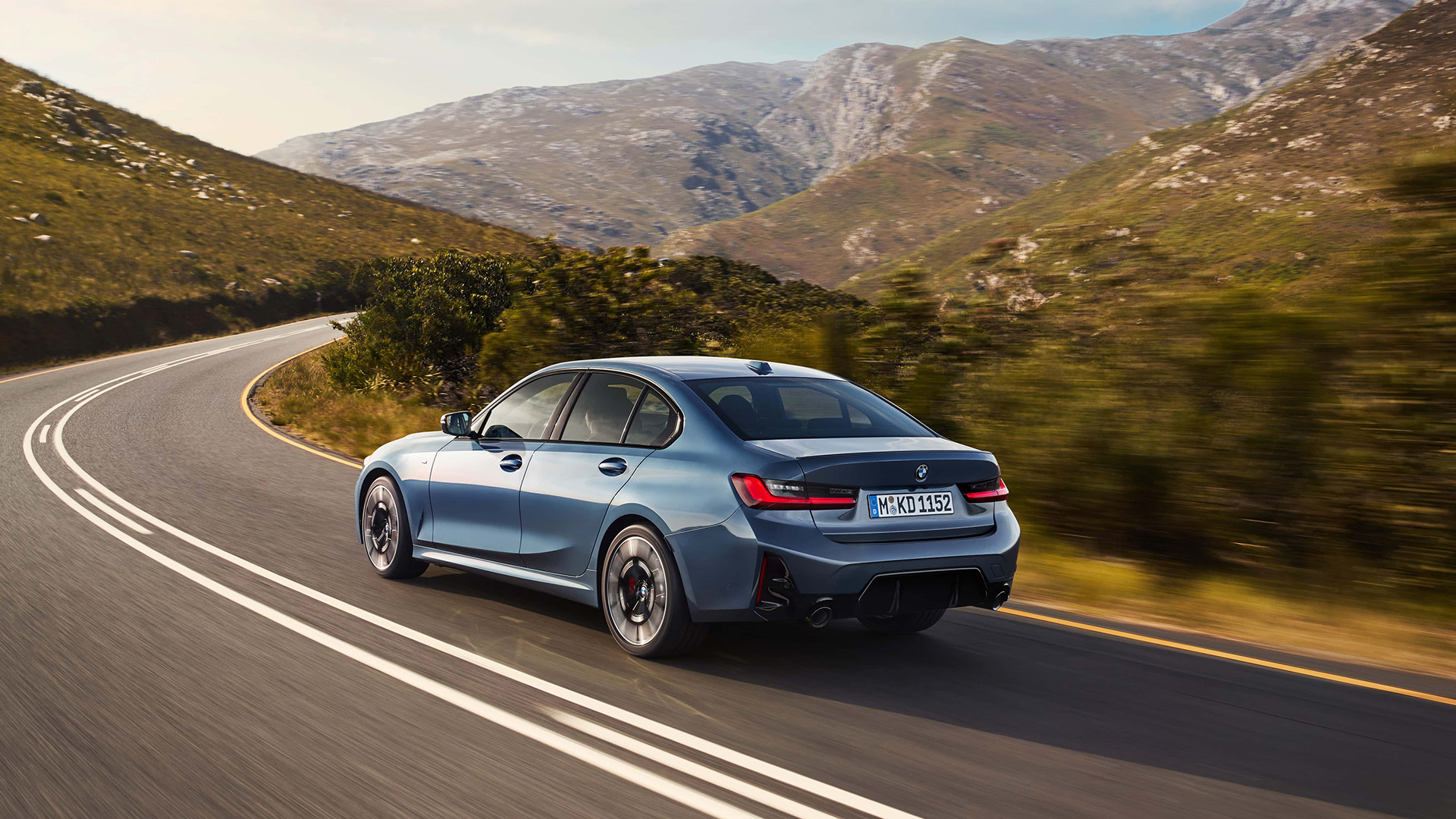
Illustrated back of a 7th generation BMW 3 series

With four petrol and four diesel engines featuring BMW TwinPower Turbo technology, powerful six-cylinder options for M Performance models, plug-in hybrid technology, and the intelligent BMW xDrive all-wheel-drive system, the BMW 3 Series offers the most diverse range of powertrains in its class.

Central to the connected driving experience, the BMW Operating System 8.5 has enabled more intuitive operation through the enhanced BMW iDrive in the 3 Series Saloon and Touring since 2024.

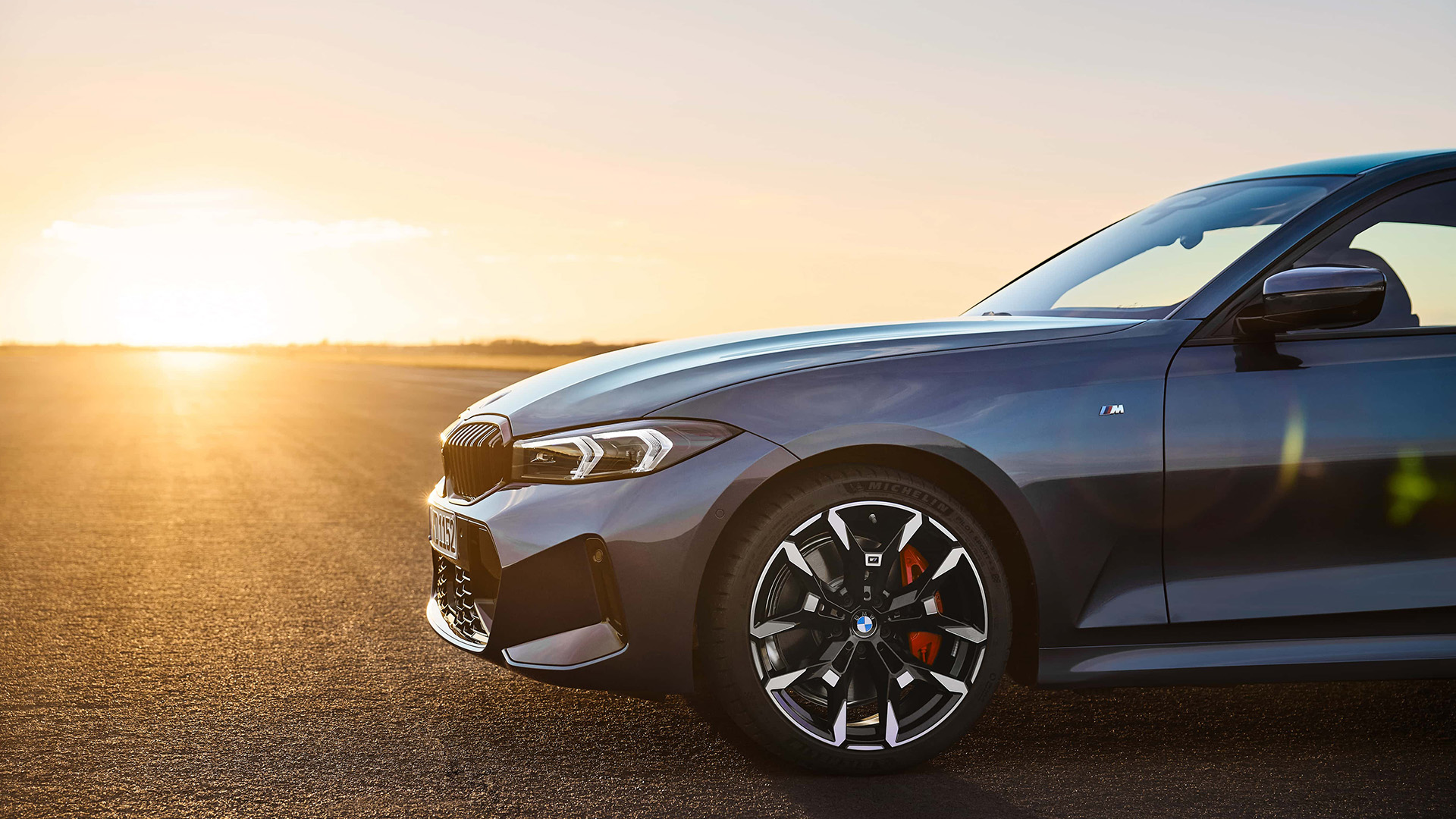
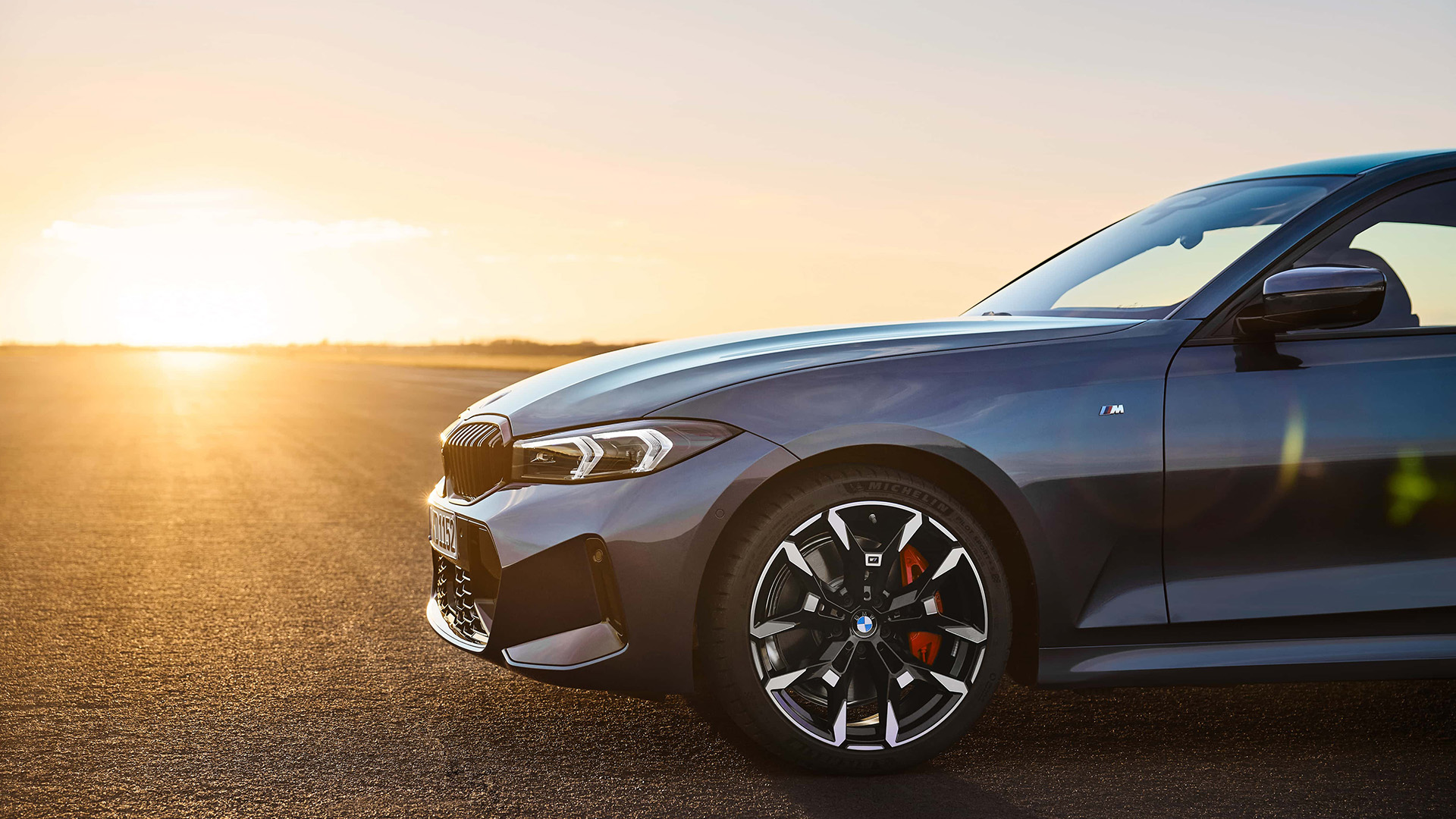
Side view of the front of an 7th generation BMW 3 series
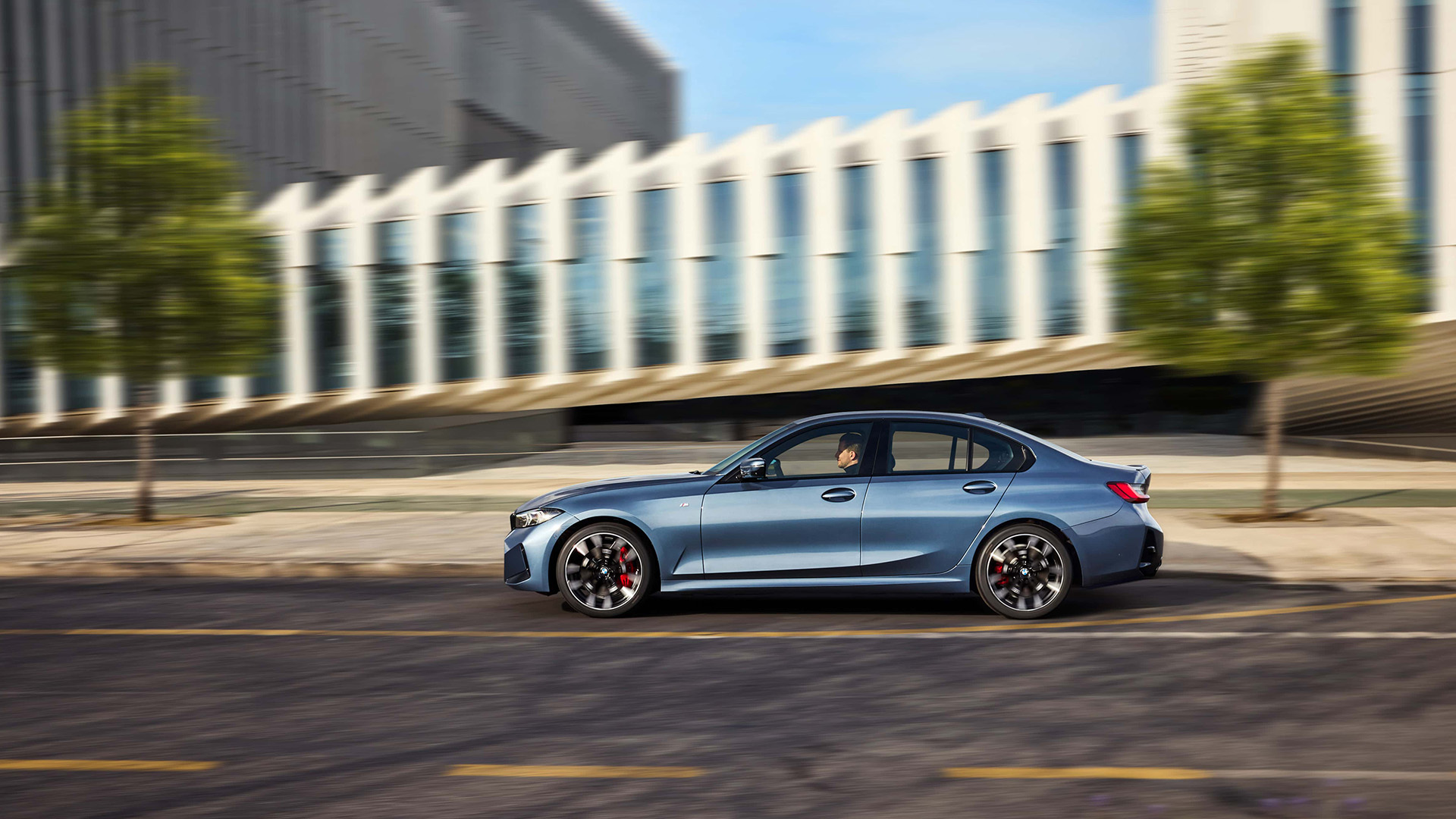
Side view of a 7th generation BMW 3 series while diving through the city
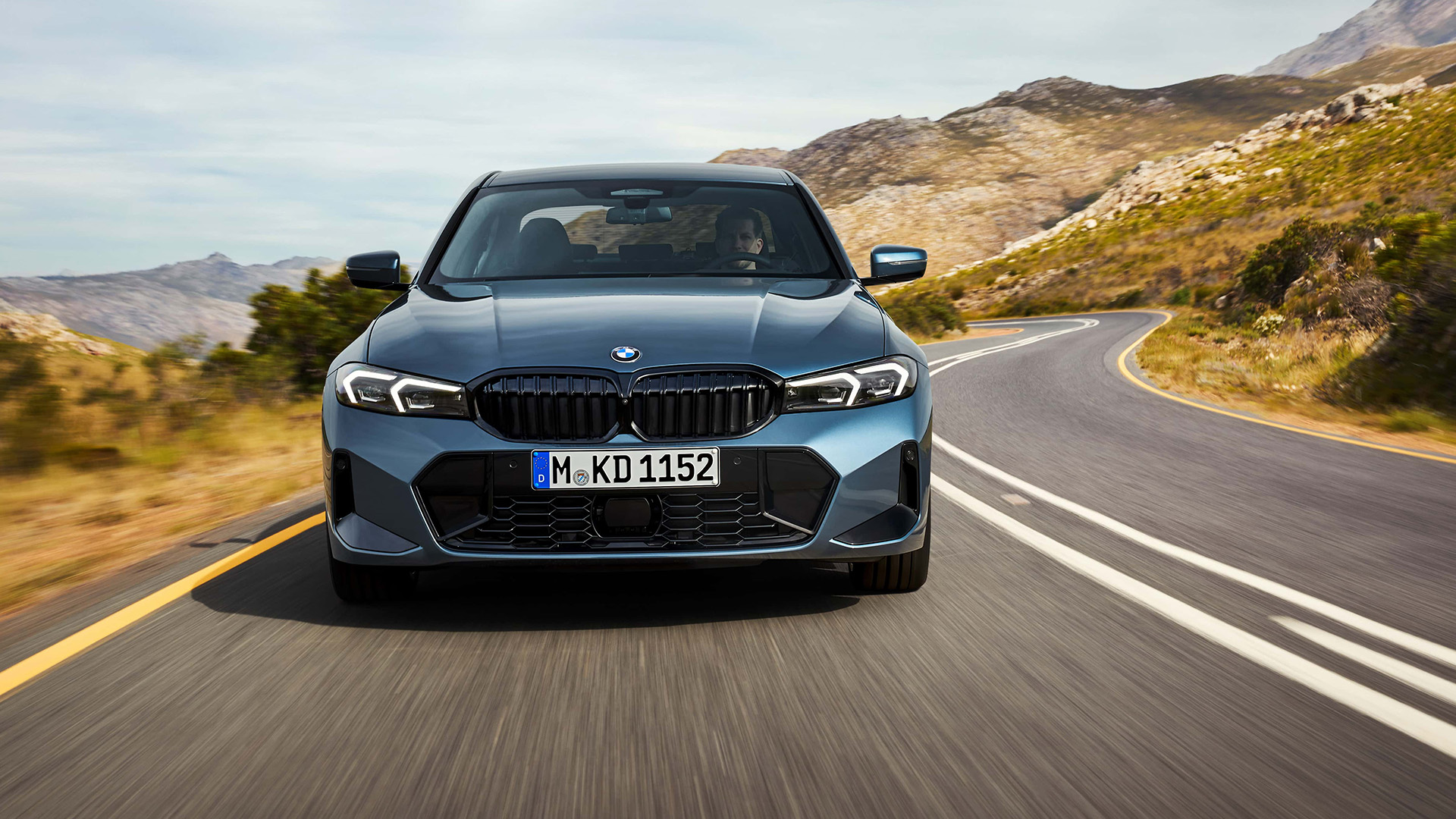
Front view of a 7th generation BMW 3 series driving through the mountains
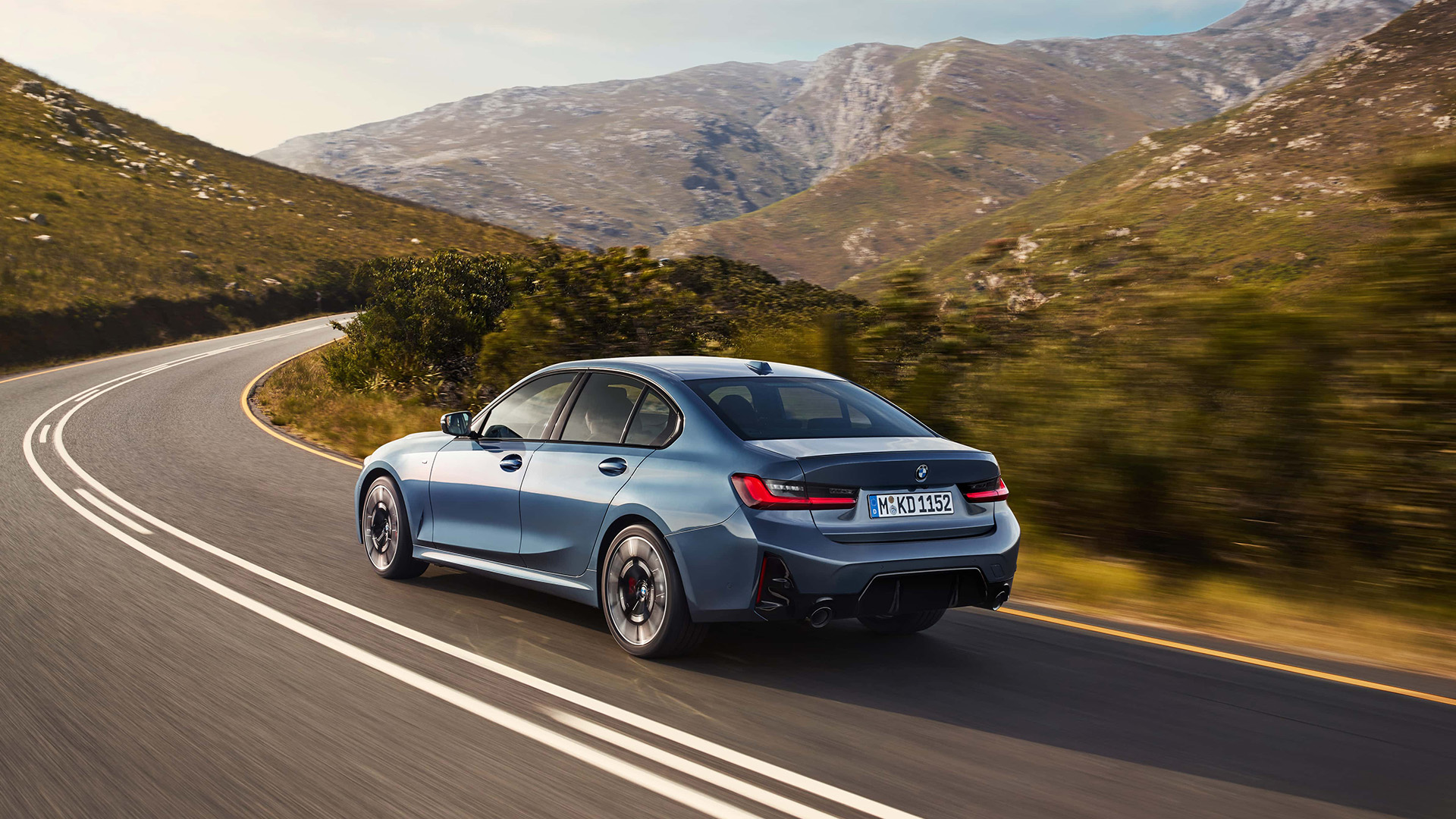
Back view of a 7th generation BMW 3 series driving on a mountain road
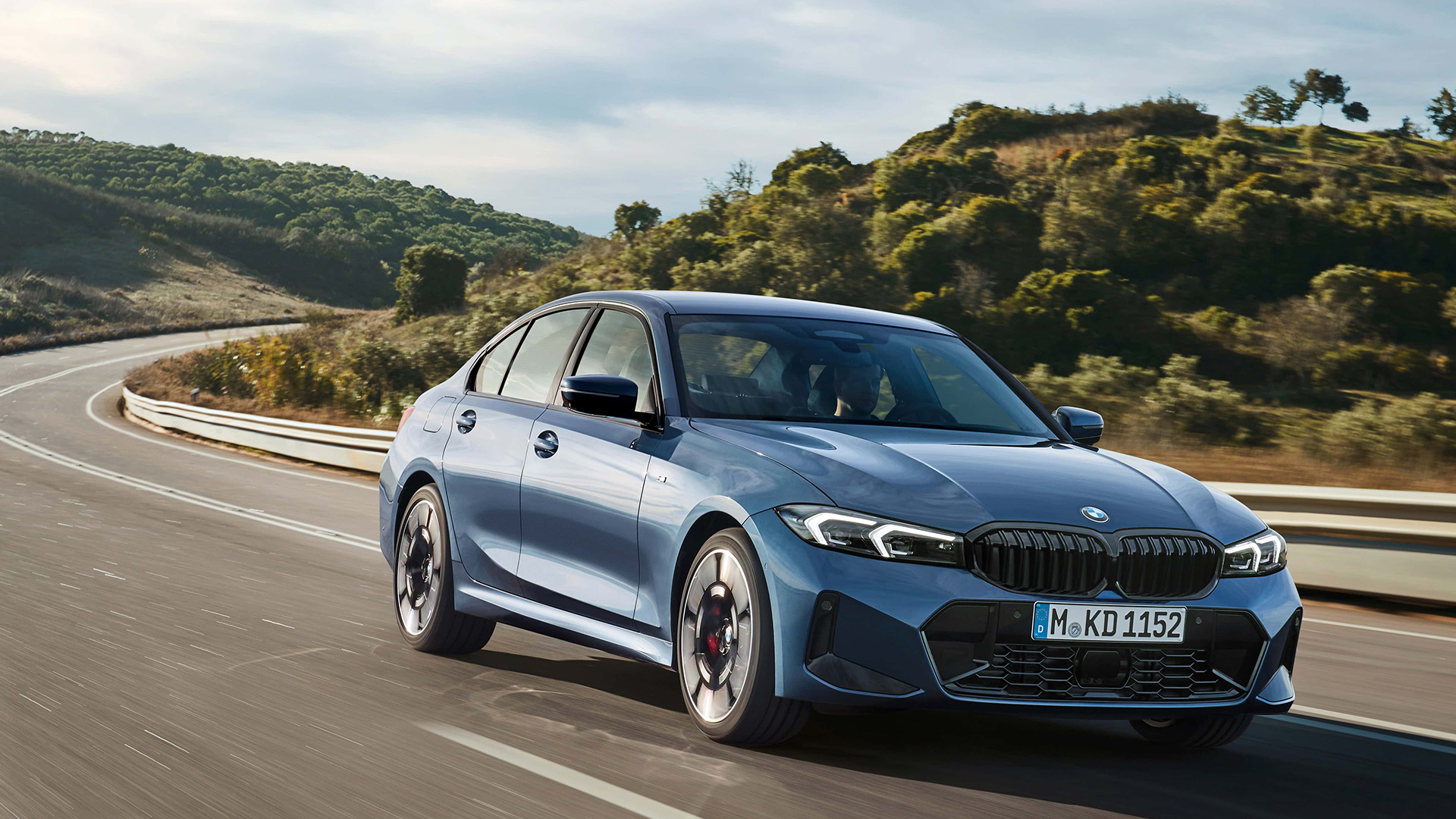
Front view of a blue BMW 3 series driving on a scenic road
Side view of a 7th generation BMW 3 series while diving through the city
Front view of a 7th generation BMW 3 series driving through the mountains
Side view of the front of an 7th generation BMW 3 series
Back view of a 7th generation BMW 3 series driving on a mountain road

Also the next generation will continue the success story of the BMW 3 Series. It will be closely linked to the Neue Klasse with the first production models set to redefine mobility starting in 2025.

All seven generations of the BMW 3 series lined up on a timeline